 by
by GM Asks Court to Dismiss Class Action Over L87 V8 Engine
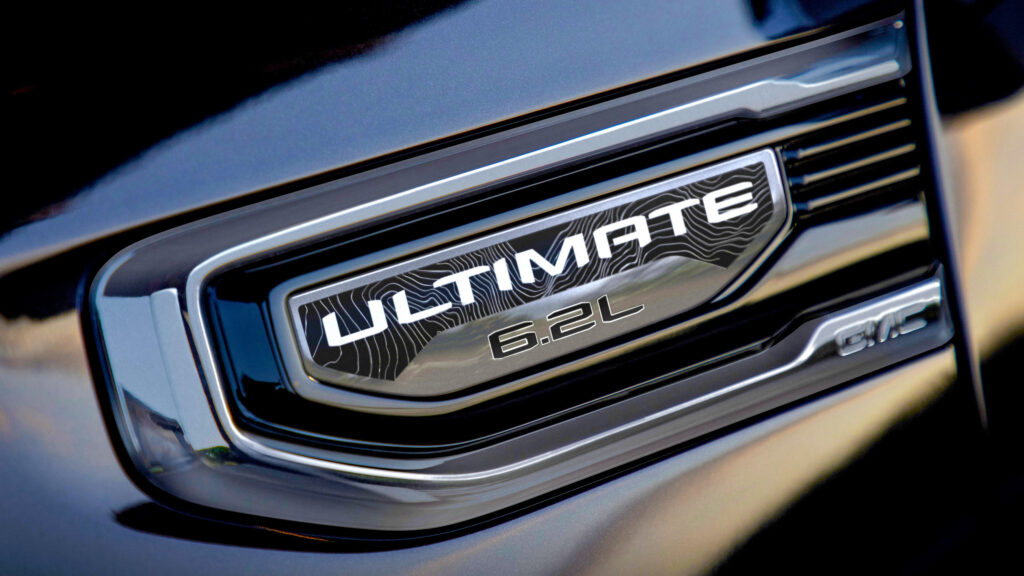
GM has spent much of the year fighting lawsuits over its 6.2-liter L87 V8 engine, which is installed in some of its most popular pickup trucks and SUVs. The problem lies in the connecting rod bearings, which have a habit of failing. Now that at least 11 class-action lawsuits have accumulated, GM wants a judge to dismiss one of them, a case with 44 plaintiffs. Its argument: it is already providing these plaintiffs with everything they are asking for.
The Essence of the Lawsuit and Arguments of the Parties
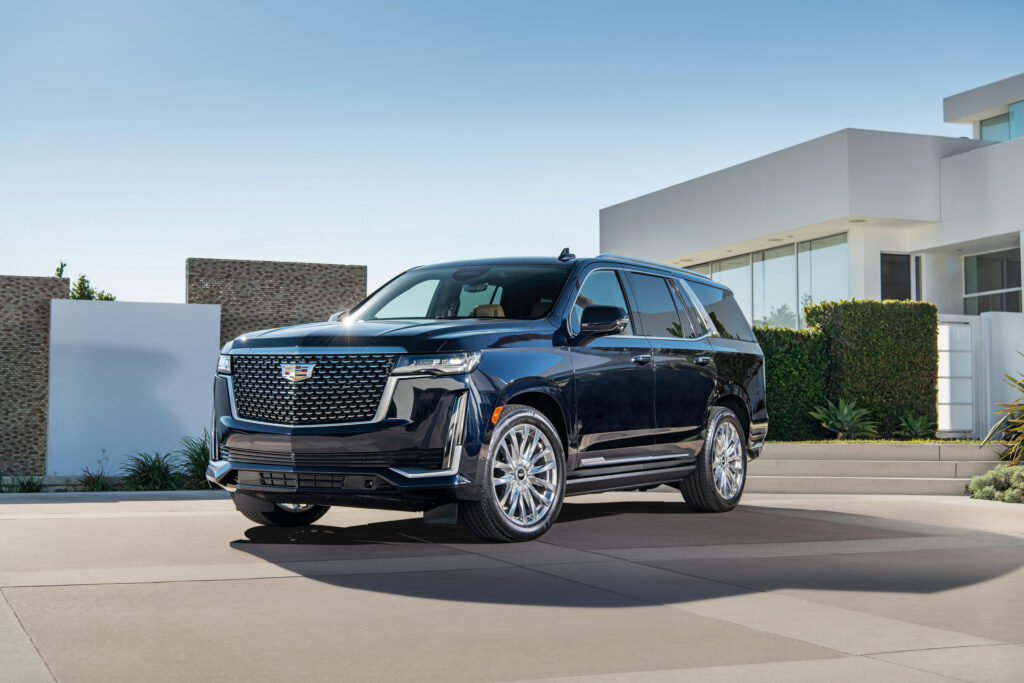
The lawsuit covers approximately 600,000 GM pickup trucks and SUVs equipped with the 6.2-liter EcoTec3 V8 engine, including the Chevrolet Silverado, Tahoe, and Suburban; GMC Sierra and Yukon; and the Cadillac Escalade. Forty-four current and former owners claim the engine has a defect that can lead to bearing failure, connecting rod breakage, loss of power, and complete engine destruction.
However, GM states that the plaintiffs’ entire case is collapsing because the company has already resolved the issue through a massive recall campaign.
GM’s Version of the Causes of Failures
According to court documents, GM’s investigation identified two main causes of failures, both related to manufacturing issues and quality control at suppliers, rather than an engine design flaw. The automaker claims that some engines had contamination in the connecting rods and crankshaft oil passages, while others suffered from crankshafts that did not meet specifications.
So, according to the plaintiffs, the problem is not with one component, but with several that can cause failures. Essentially, they claim the engine itself was fundamentally defective. GM counters that only about 3 percent of affected engines had problems. If the design were truly defective, the company argues, failures would be much more widespread across the entire engine population.
The company uses this figure for a second reason as well. GM tells the court that plaintiffs cannot cite defects or failures of other owners, and that without demonstrating personal experience of a failure, their claims are unfounded.
Measures Taken by GM and the NHTSA’s Response
GM also notes that its recall in April 2025 was approved by the NHTSA. Vehicles that failed inspection received a free engine replacement, while those that passed were switched from factory 0W-20 oil to a thicker 0W-40 oil, equipped with a new filler cap and filter, and received an extended warranty of 10 years or 150,000 miles. Owners could also purchase the thicker oil in the future at a price comparable to standard oil. In other words, solving the problem of an engine failing due to poor lubrication is partly just a matter of thicker oil.
Nevertheless, the agency has launched an investigation to confirm whether the recall is sufficient. So, GM may think it has done enough, but the NHTSA may soon decide otherwise.
Vehicles Covered by the GM L87 V8 Engine Lawsuit
- 2019-2024 Chevrolet Silverado 1500
- 2021-2024 Chevrolet Tahoe
- 2021-2024 Chevrolet Suburban
- 2019-2024 GMC Sierra 1500
- 2021-2024 GMC Yukon
- 2021-2024 GMC Yukon XL
- 2021-2024 Cadillac Escalade
- 2021-2024 Cadillac Escalade ESV
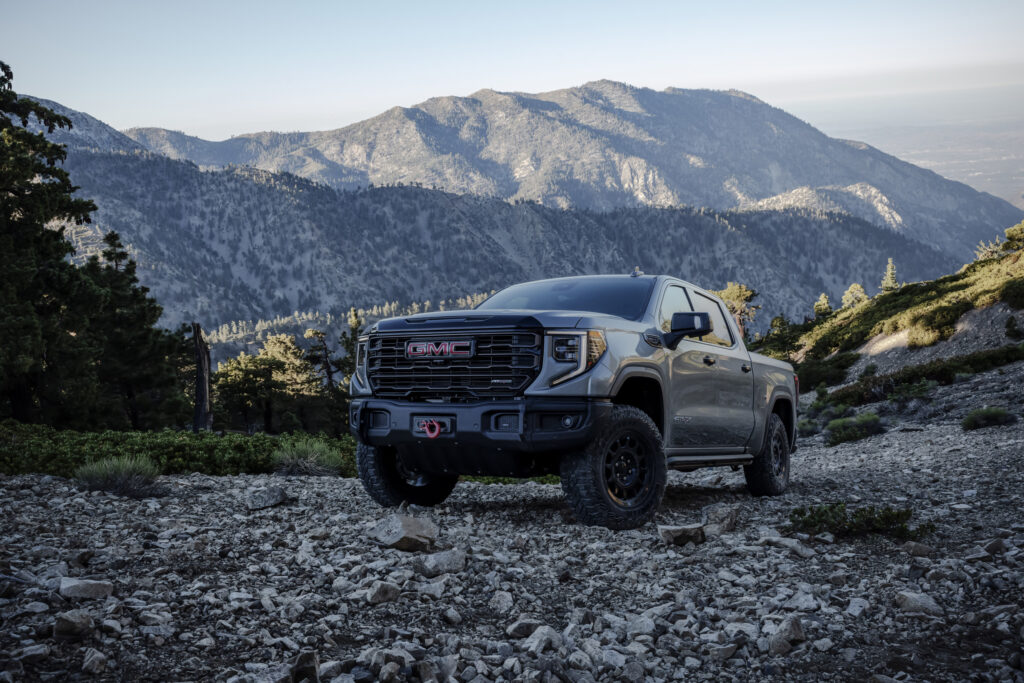
The situation surrounding the L87 V8 engine demonstrates the complexity of modern disputes between automakers and consumers. Although GM has taken action through a recall and extended warranty, the key question remains whether this is a sufficient solution to the problem, especially given that the NHTSA continues to study the effectiveness of these measures. The company’s argument that only 3% of engines failed may be compelling in court, but for owners whose vehicles have been affected, it may be cold comfort. Further developments will depend on the court’s decision and the regulator’s findings, which could impact future safety and quality standards in the automotive industry.