 by
by Japanese automaker Honda is facing serious financial difficulties due to its investments in the electric vehicle market. The company has already recorded its fourth consecutive quarter of operating losses, and the amount of write-offs related to electric projects has reached billions.
Costly Mistakes on the Path to an Electric Future
Like many other automakers, Honda is learning from its own experience how expensive overestimating the market and overinvesting in electric vehicles can be. The company has already been forced to conduct significant write-offs of funds related to its efforts in this area and is now in a state of loss control.
For the nine months ended December 31, Honda reported 267.1 billion yen (or $1.71 billion) in write-offs and expenses related to advancing into the world of electric vehicles. While the financial impact has not yet reached the scale of Ford’s failures in this industry, it is a warning signal for Honda’s strategy.
Losses Continue to Grow
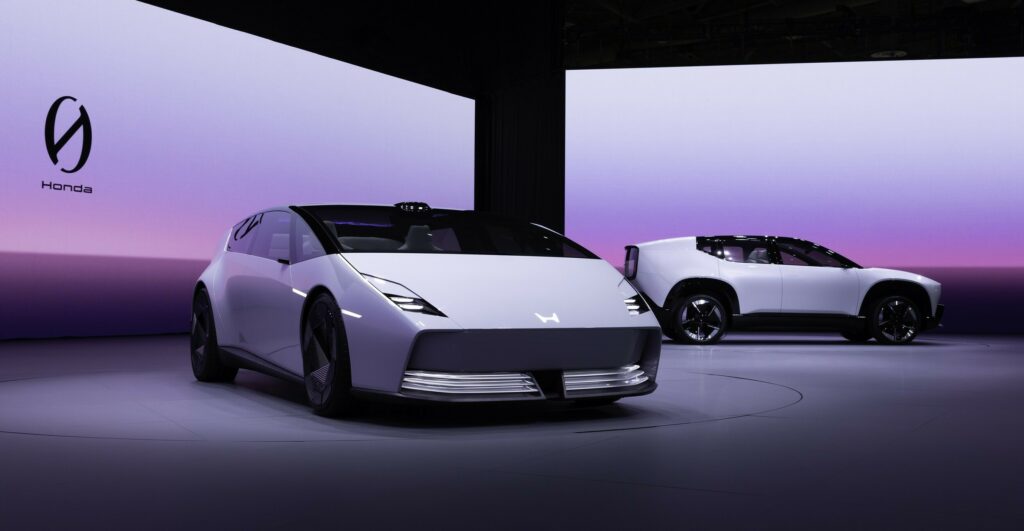
Honda has suspended the development of several future electric vehicle models and recently recorded its fourth consecutive quarter of operating losses. For the first three quarters of its fiscal year, these losses amounted to 166.4 billion yen, or $1.07 billion. According to forecasts by Auto News, the full annual impact could reach 700 billion yen, approximately $4.48 billion, all stemming from its electric projects.
Acting Vice President Noriya Kaihara, commenting on Honda’s latest financial results, noted that the company needs to “conduct a fundamental review of our strategies to restore our competitive strength.”
Partnership with General Motors Unravels
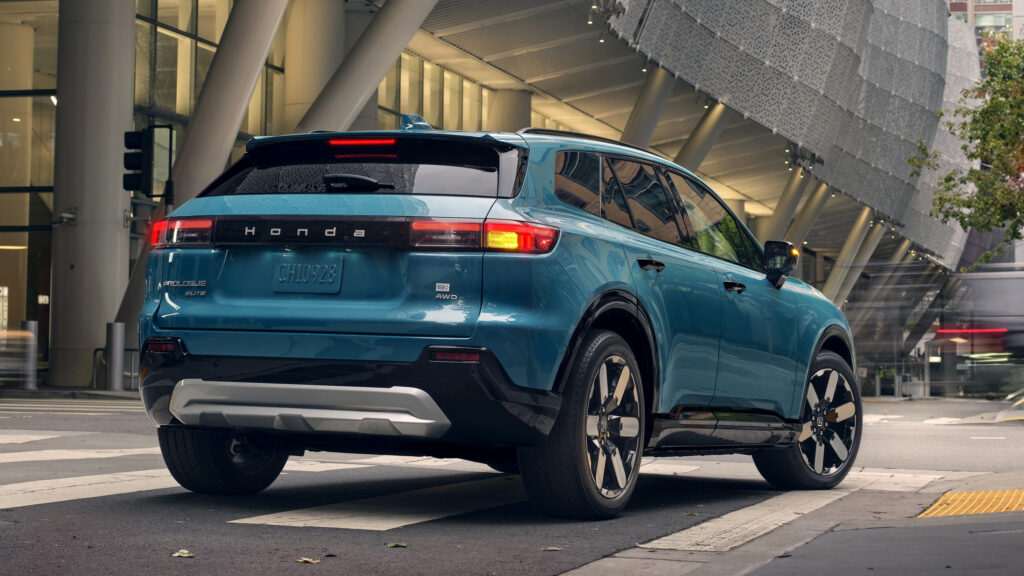
The situation will soon become even more costly. Honda is ending its close collaboration with General Motors in the field of electric vehicles, partly due to slow sales of the Acura ZDX and Honda Prologue models, both of which use GM’s Ultium electric platform. Reportedly, Honda reduced the number of cars it was purchasing from GM and compensated the automaker.
Reviewing Electric Strategy
Back in 2024, Honda stated that it aimed to sell up to 2 million electric vehicles per year by 2030. However, it significantly overestimated the global popularity of EVs, undoubtedly influenced by the change in administration in the US. According to Kaihara, the company now plans to “substantially revise our future electric vehicle strategy” and expects to present an updated roadmap in the near future.
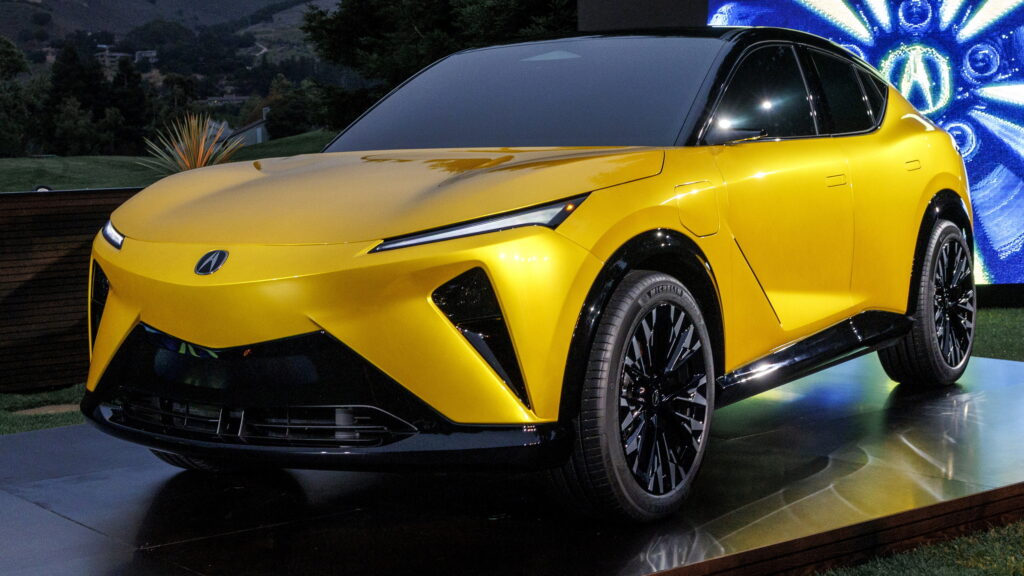
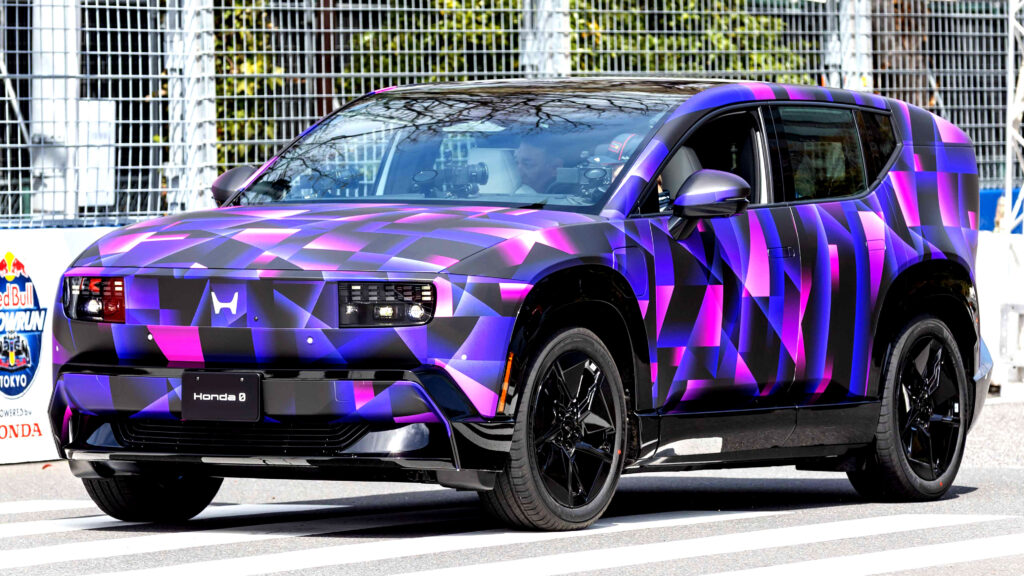
However, recently during a roundtable, Honda representatives reported that the new Acura RSX and Honda 0 Series SUV electric models, as planned, will be presented later this year.
A central point of this reorientation will be a renewed emphasis on hybrid models. Honda intends to double hybrid sales, signaling a clear shift from its previous EV-focused strategy.
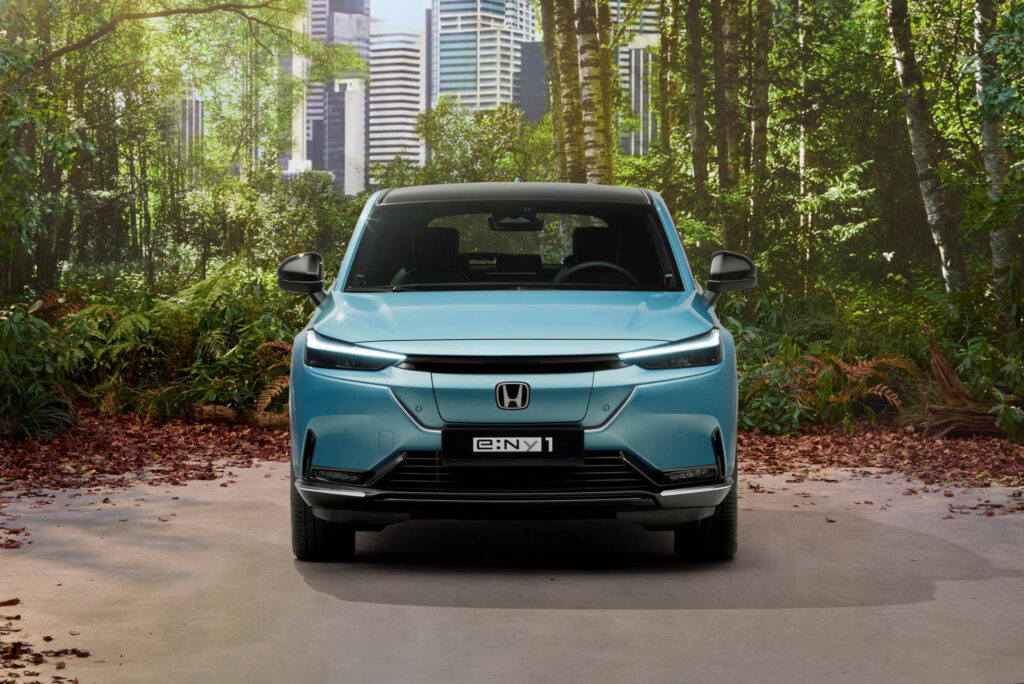
Honda’s financial results clearly illustrate a broader trend in the automotive industry, where excessive optimism about a rapid transition to electric power is colliding with market reality. The shift towards hybrids that the company is demonstrating may prove to be a more balanced path for many manufacturers, allowing them to meet current demand while continuing to develop fully electric technologies. The success of future models, such as the 0 Series, will be a crucial test for the brand’s revised strategy and its ability to compete in an era when the electric vehicle market is still taking shape.