 by
by Cameras that err more often than they work correctly
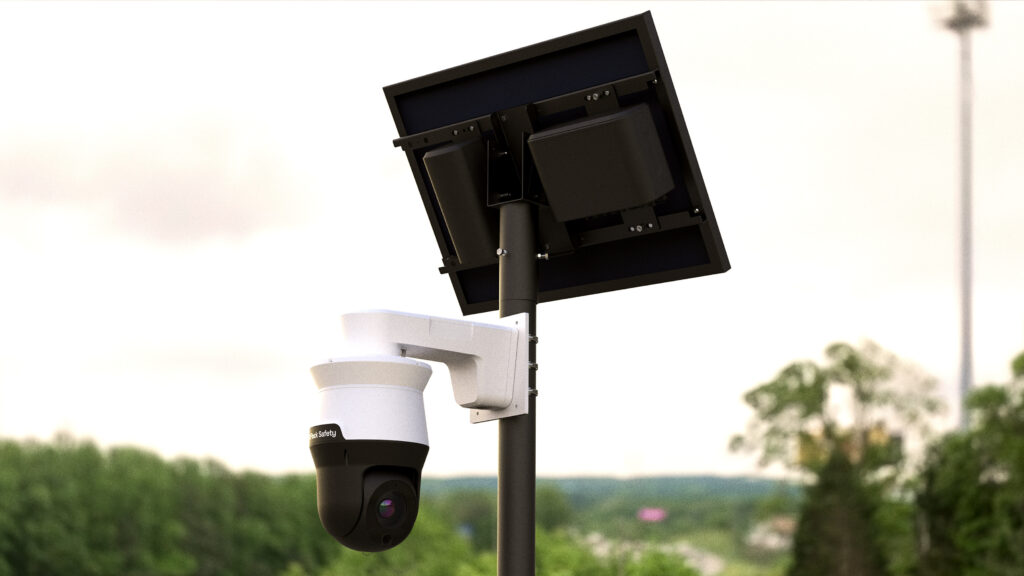
Automatic license plate readers have long become one of the most contentious topics in modern policing. Usually disputes center on privacy, surveillance, and whether such cameras should be installed at all. But before that there is a more important question: how well do they actually work? In one California city, police found that Flock Safety cameras erred far more often than they worked correctly.
According to documents obtained by Business Insider, Roseville police analyzed 1,427 Flock alerts that arrived during 2023 and 2024. The review showed that 71% of those signals resulted from incorrect license plate reads. The cameras confused similar letters and numbers, captured blurry images, or did not see vehicles at all. In one case, the plate of an innocent driver was repeatedly identified as the plate of a stolen vehicle because the program kept confusing “9” with “8”.
Internal dissatisfaction
Records also show that frustration was growing inside the department. In internal emails, supervisors documented instances where cameras missed vehicles or read plates with gross errors. One Flock product manager admitted that the company had not yet solved the problem.
“I have to write code right now,” confessed a Flock product manager.
He also confirmed that the company was developing tools to automatically detect vehicles that cameras had missed.
What Flock says
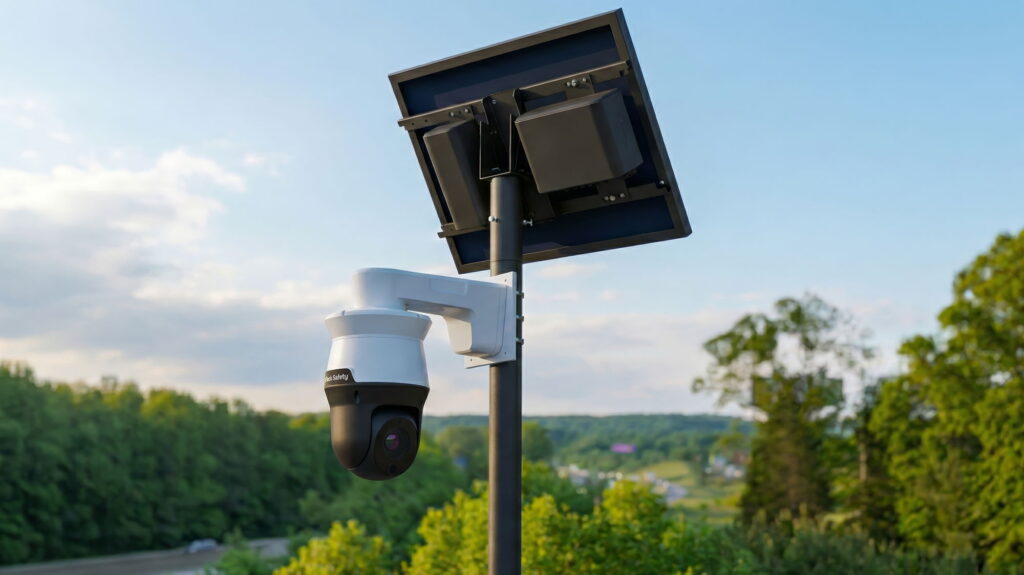
To be fair: Flock does not deny that there were problems in Roseville. But the company considers this case an atypical deployment of the system. According to Flock representatives, Roseville asked to install rear-facing cameras higher and farther from traffic than is usually recommended. Additionally, older equipment was used there. This created more difficult conditions than in standard installations. The thing is, companies like Flock are interested in as many cameras on the streets and as many viewing angles as possible.
Errors did not lead to arrests
There is another important nuance here. Despite the high error rate, Roseville claims that no false alert led to a traffic stop or arrest. Officers are required to independently verify a plate before taking action. The city also continues to use the Flock system because the cameras have already helped solve crimes that might otherwise have remained unsolved.
This does not mean that every Flock camera is unreliable, nor does it prove that automatic license plate readers are fundamentally flawed. But it clearly shows how important it is to treat AI alerts only as investigative leads, not as indisputable facts. Journalists have repeatedly reported cases where officers did not notice ALPR errors. Fortunately, so far this has not led to tragic consequences, but time will tell whether that trend holds.
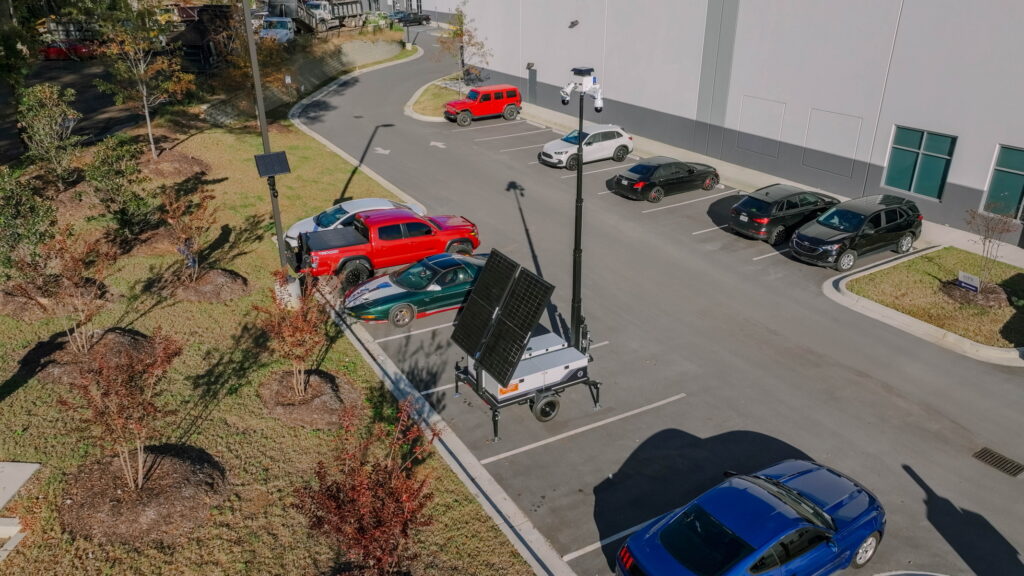
Photo: Flock Safety
Why this matters
This case reminds us that artificial intelligence systems in policing are far from perfect. The more cities rely on automatic license plate recognition, the more important it is to have verification mechanisms. Otherwise, technology created to enhance safety could become a source of new risks.
For police officers, the main lesson is simple: camera data is only a clue, not a verdict. A mistake in one digit can turn an ordinary driver into a suspect, and human oversight remains the barrier that protects against the worst consequences. So the question is not only whether such cameras are needed, but how carefully their work is checked before entrusting them with people’s safety.