 by
by California closes loophole that made robotaxis immune to fines
California’s autonomous vehicle industry has long operated under a regulatory system that effectively made their products untouchable by the rules everyone else must follow. That ends now. The California Department of Motor Vehicles (DMV) has officially introduced a new system allowing police officers to issue fines to robotaxis, while simultaneously opening the state’s highways to heavy autonomous trucks under strict conditions.
The right to issue fines
The loophole was always somewhat absurd. Traffic fines are issued to the person behind the wheel. When no one is behind the wheel, police had no mechanism to hold anyone accountable. Assembly Bill 1777, first published on September 27, 2024, closes this gap as of July 1.
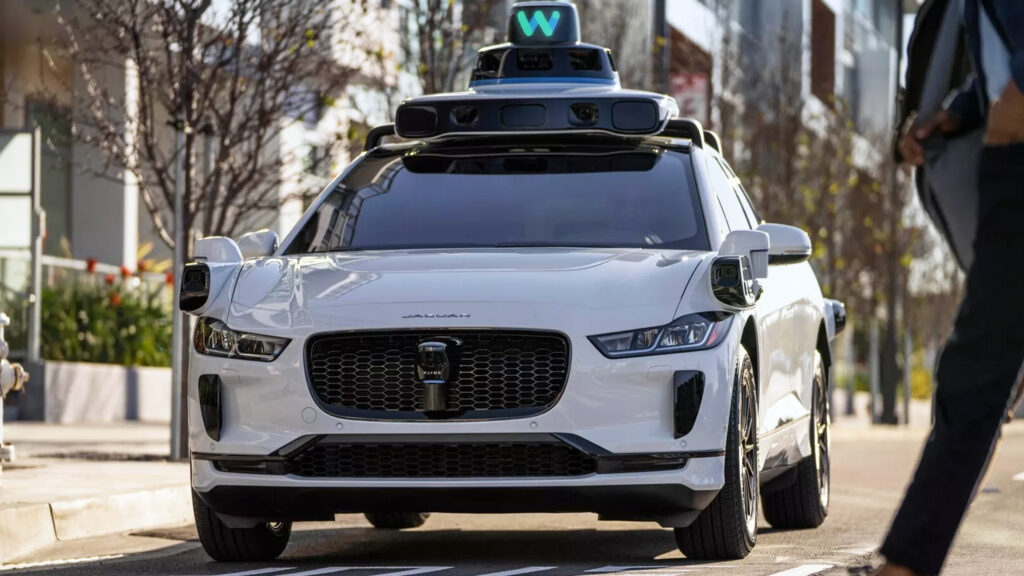
The most significant change lies in defining how police interact with driverless cars. Under the bill, an officer who observes a robotaxi violating traffic laws can issue a notice of non-compliance, effectively equating the manufacturer with the driver in the eyes of the law.
To help the department track safety trends in real time, the law requires operating companies to report fines within 72 hours. In cases involving collisions or more serious safety incidents, this timeframe may be reduced to 24 hours.
Serious or repeated violations may lead the DMV to impose targeted operational restrictions, such as limiting a company’s fleet or suspending its permits.
On-site emergency control
The legislation also gives first responders more control during active emergencies. According to the San Francisco Standard, autonomous vehicles must be able to execute immediate commands from local authorities. This rule addresses past incidents where driverless cars blocked fire and rescue operations. Companies are also required to maintain a dedicated emergency response line answered within 30 seconds.
Local officials now have the authority to issue emergency geofencing directives. In the event of a fire or accident, they can send an electronic command requiring all autonomous vehicles to leave the restricted zone within two minutes. Vehicles must also be capable of manual operation and have two-way voice communication so emergency services can interact with the car on site.
Big trucks join the autonomous race
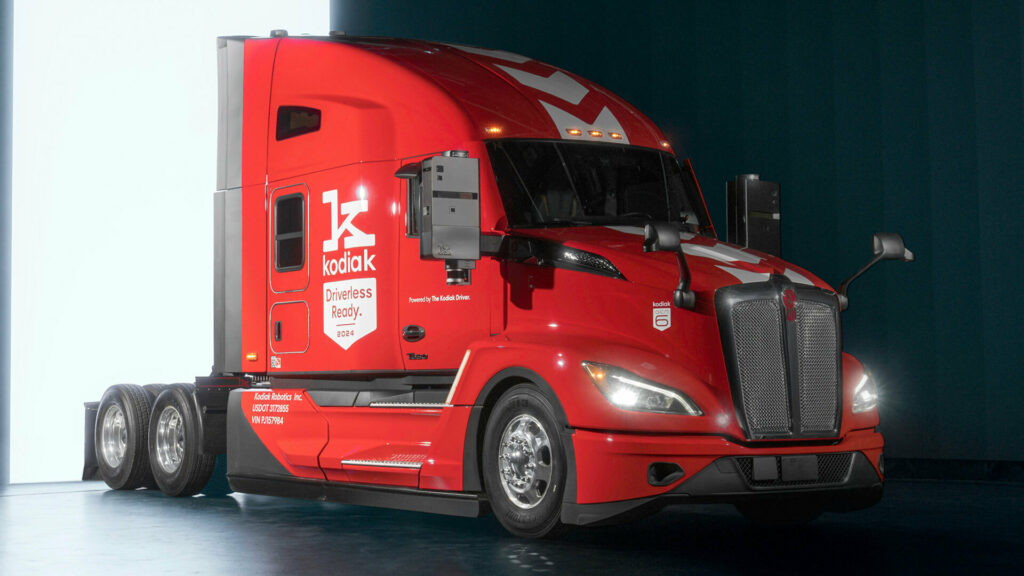
While the ability to fine and interact with robotaxis addresses safety concerns, the most significant long-term shift in the new rules is the authorization for heavy autonomous trucks on highways.
The California DMV lifted the ban on vehicles over 10,001 pounds (4,536 kg), effectively inviting autonomous freight transportation into the country’s largest logistics hub. Deployment also includes medium-duty vehicles weighing up to 14,001 pounds (6,351 kg), intended for transit and campus shuttles.
Nevertheless, autonomous trucks face much higher requirements than passenger cars. They must complete 500,000 miles (804,672 km) of testing with a safety driver before transitioning to fully driverless operation. They are also still required to stop at weigh stations and inspection points, just like any conventional truck with a driver.
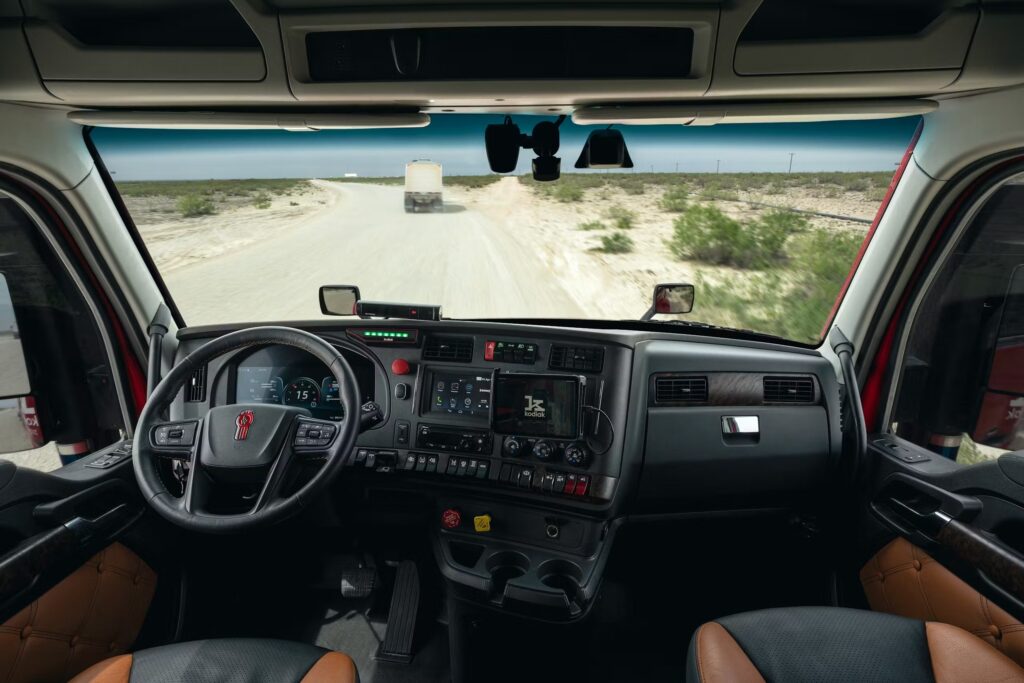
These changes mark a transition from the experimental status of autonomous technologies to their integration into real-world transportation infrastructure with clear rules and accountability. The requirement to report fines and incidents within 24-72 hours creates a transparency mechanism that did not previously exist. The authorization for autonomous trucks, albeit with restrictions, paves the way for significant logistical changes, though the half-million-mile testing requirement with a driver reflects regulators’ cautious approach. At the same time, the ability of local authorities to instantly block entire zones for driverless vehicles during emergencies could become a key tool for preventing chaos similar to what occurred in San Francisco when robotaxis blocked fire trucks.