 by
by An Inside Look at Classic Porsche 911s
The Porsche 911 is considered a benchmark of automotive culture, an iconic symbol of driving perfection. Its unique design and rear-engine layout have fascinated enthusiasts for decades. However, there are also those who do not share this fascination. The latest criticism comes from a person who professionally modifies these cars.
The Experience of Jan Kalmar
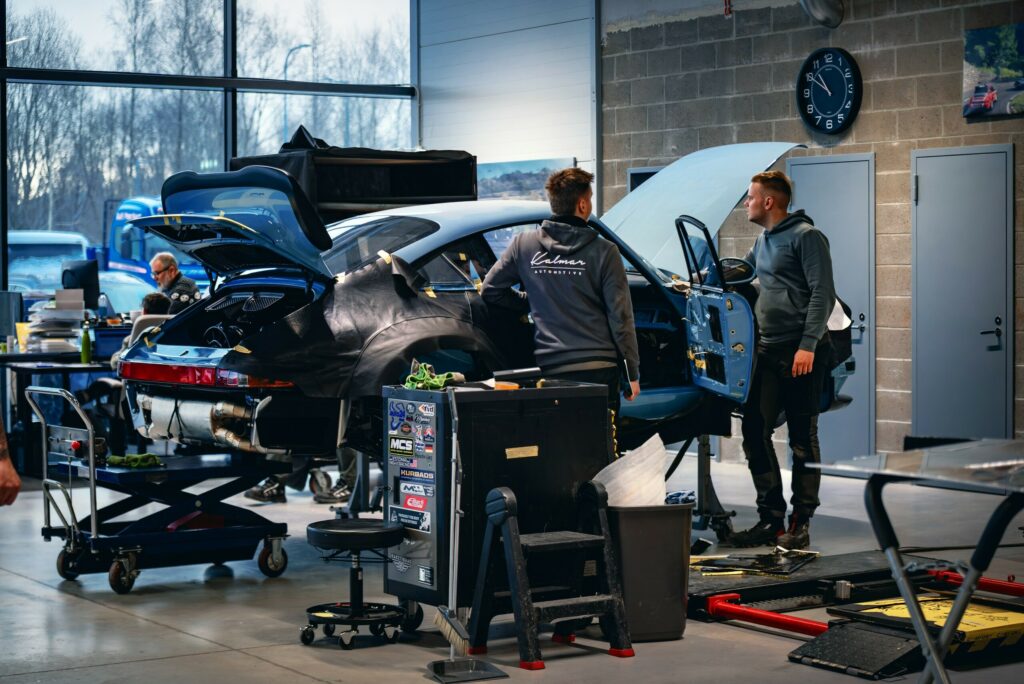
The founder of Kalmar Automotive, Jan Kalmar, built his reputation on restoring and modifying vintage Porsches. His business started with restoring early 911 models but later expanded to creating rally cars and custom restomods that significantly surpass the original performance.
In an interview with Evo magazine, Kalmar candidly expressed his attitude towards classic 911s, explaining why he believes they are not so perfect in their standard configuration. His statements about the 911, particularly the 964 generation, are quite categorical.
A Direct Assessment of the Classic
“When my generation was young, we all dreamed of owning a 911,” says Kalmar. “Back then we couldn’t afford it, but now more and more people can. But when they buy the car they dreamed of, get behind the wheel, and realize it’s crap. It drives like a broken bone. A Golf drives better, and a headlight for a 911 costs as much as a Golf.”
His argument is that those who are in love with air-cooled 911s tend to ignore their shortcomings. Modern cars are far superior to even the best supercars of the past, and nostalgia can deceive a buyer who later realizes that early 911s are incapable of providing the balanced, modern driving experience he dreamed of.

Not Just Criticism, But Action
This does not mean that Kalmar despises Porsche’s heritage. His experience in restoring and modernizing classics has given him a clear understanding of how difficult it is to make these cars enjoyable by modern standards. He doesn’t just criticize; he offers his own solutions.
Kalmar Automotive Projects
His first commission, a car based on the 964, was built for legendary endurance racer Tom Kristensen. This car, named the 7-97, soon revealed the limitations of its chassis. Then Kalmar did what a talented perfectionist would do: he combined panels from the 964 with a chassis from the 993. During testing on the autobahn, it turned out that at speeds over 300 km/h the car had too much aerodynamic lift.
The solution was a complete aerodynamic optimization of every panel. Later, Kalmar’s company presented its interpretation of a modern 959: a car based on the 993 with 917 hp, high downforce, and a chassis from the 992 model. This hypercar, named the 9×9, is still under development, only 27 units will be produced, and its goal is a sub-7-minute lap on the Nürburgring.

So, while Jan Kalmar’s statements may seem harsh, he has the opportunity to back up his opinion with real projects. He also notes that most buyers are chasing a dream, not a real driving experience. And, undoubtedly, the cars he creates are truly impressive.

Kalmar’s position highlights an interesting paradox of the automotive world: the gap between nostalgic value and modern technical expectations. His work demonstrates how it is possible to preserve the spirit of a legendary car while radically updating its essence. This is not just restoration, but rather reincarnation, where the image of the original remains, but inside are technologies capable of competing with the best modern examples. This approach raises questions about the very concept of authenticity in collector car building.