 by
by Ford orders immediate stop of operation for nearly 5,000 vehicles
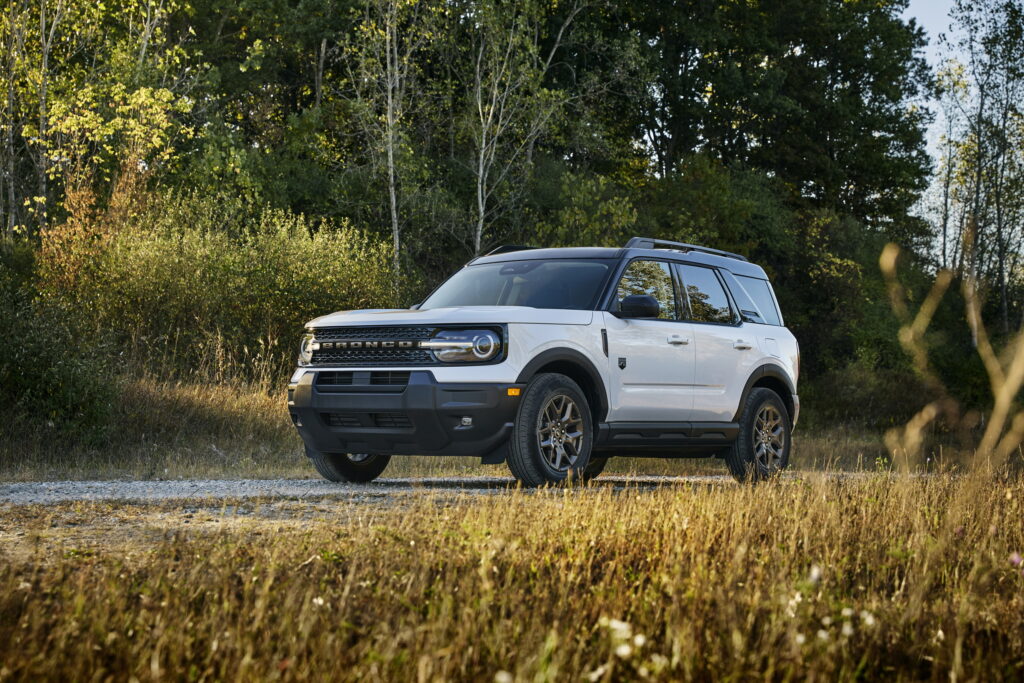
Ford has contacted 4,653 owners of Bronco Sport and Maverick models, demanding they immediately stop using their vehicles. The reason is problems with the ball joints of the lower front suspension control arms, which may have been assembled incorrectly. If these parts fail while driving, the driver could lose control of the vehicle, significantly increasing the risk of an accident.
Which models and model years are affected by the recall
The recall covers vehicles from the 2021 to 2026 model years. Ford recommends owners check online whether their car is included in the campaign. If so, the vehicle will be towed to a dealership for inspection and repair. Some clients will also have the option of having an inspection done at home via mobile service technicians.
Repair details and temporary measures
The recall has not yet been published by the National Highway Traffic Safety Administration, so details are limited. However, the automaker stated:
“Dealerships will visually inspect the front lower control arm ball joint assembly on the left and right sides and, if necessary, perform repairs free of charge for the customer.”
It appears that Ford currently does not have a ready solution, as repairs will be carried out “at a future date.” The company also stated that owners of vehicles that have not passed the inspection will be provided with rental cars free of charge.
Popularity of the models and recall statistics
Additional details are expected to appear soon, but the Bronco Sport and Maverick are among Ford’s most popular vehicles. Last year alone, the company sold 155,051 Maverick pickups and 134,493 Bronco Sport SUVs.
Although Ford announced surprisingly few recalls last month, the company still remains the undisputed leader in this metric in 2026, with 37 campaigns. This is more than double the number of recalls at Stellantis, General Motors, Hyundai, and Toyota.

This situation highlights that even the most popular models can have serious manufacturing defects that affect safety. Although Ford is responding quickly to the problem, the lack of a ready-made solution at the time of the announcement is concerning. Owners will have to temporarily stop using their vehicles, which may cause inconvenience, especially given that these models are often used as primary transportation. Additionally, the large number of Ford recalls in 2026 points to systemic quality control issues that the company needs to address in order to maintain consumer trust.