 by
by Qatar’s intervention in Volkswagen’s plans
Volkswagen, one of the world’s largest automakers, faced the influence of a more powerful player. According to new reports, Qatar demonstrated its power over the group. Volkswagen has a struggling plant in Germany, and the company had planned a partnership with an Israeli defense contractor. Now, this deal has apparently been cancelled.
Details of the blocked deal
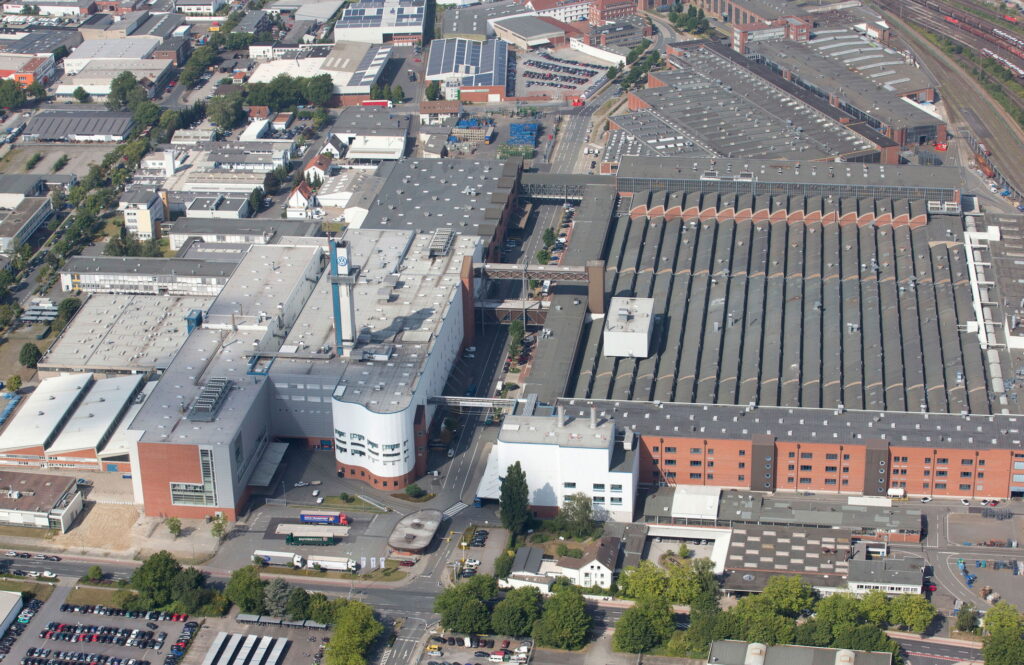
As reported by Bloomberg and the German publication Bild, the Qatar Investment Authority (QIA) vetoed the proposed joint venture between Volkswagen and Rafael Advanced Defense Systems — an Israeli defense company behind the “Iron Dome” system. Bloomberg notes that the partnership involved repurposing the Volkswagen plant in Osnabrück to produce military trucks used for transporting elements of a mobile air defense system.
In more detail: Tariff threats could return VW to military production
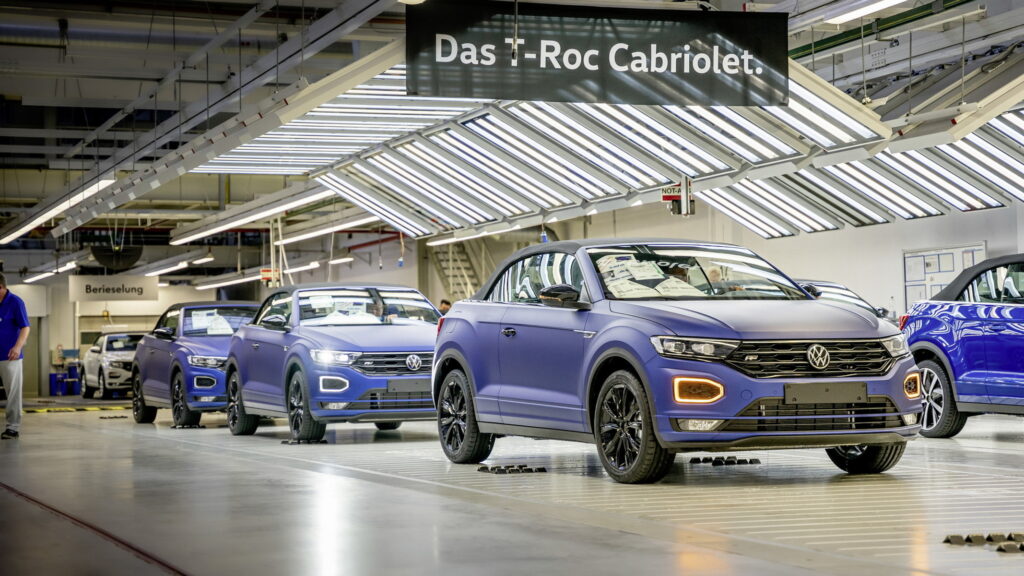
The Osnabrück plant is a key element of Volkswagen’s restructuring and cost-cutting efforts. The facility is currently suffering from weakening demand in Europe. Production at the plant could cease as early as next year. Nevertheless, it is reported that VW and Rafael signed a letter of intent earlier this year to explore the possibility of converting the site for defense production.
Position of the Qatar Investment Authority
The stumbling block, according to reports, was the Qatar Investment Authority, the third-largest shareholder of Volkswagen. QIA holds approximately 10.4% of Volkswagen’s shares and controls about 17% of the voting rights through its stake, giving it significant influence over key corporate decisions. Relations between Qatar and Israel deteriorated after the start of the war in Gaza.
Questions for the German government and the future of the plant
Bloomberg reports that questions have arisen over whether the German government would ultimately purchase this equipment, as the country’s existing multi-layered air defense system already includes the Israeli Arrow 3 system, the American Patriot, the German IRIS-T, and Skyranger platforms. At the time of writing, Volkswagen and the Qatar Investment Authority did not comment on these reports.
For its part, Rafael only stated that it remains interested in expanding industrial cooperation in Germany. Meanwhile, workers at the Osnabrück plant still do not know what will become of their jobs in a year.
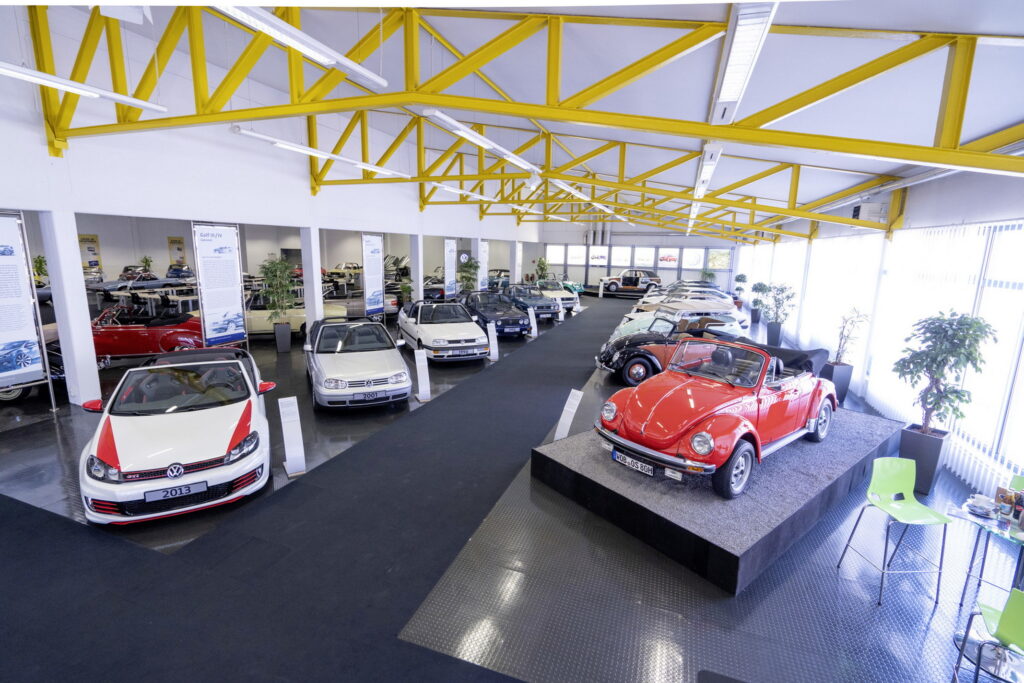
This situation demonstrates how complex modern manufacturing and political chains are. For Volkswagen, which is trying to optimize its European capacity amid falling demand for electric vehicles and fierce competition from Chinese manufacturers, the loss of such a partnership is a serious blow. The Osnabrück plant, which once produced the Golf and Porsche Boxster models, now finds itself at the epicenter of geopolitical contradictions. Investors and analysts will closely monitor whether the group can find an alternative solution that satisfies both shareholders, the German government, and the workforce, as not only financial indicators but also social stability in the region are at stake.