 by
by Response to Market Pressure
The automotive industry is constantly in motion, and electric vehicle manufacturers are feeling this pressure particularly acutely. In response to the market situation and its own position, Lucid is cutting 12 percent of its workforce. This step is part of attempts to reduce costs and move closer to profitability against the backdrop of ramping up production of the new Gravity crossover.
Details of the Layoffs
Information about the layoffs was confirmed by Bloomberg, citing an electronic statement from the company. The decision became known after an internal memo from acting CEO Mark Winterhoff, seen by Techcrunch, was leaked.
“Saying goodbye to colleagues is always difficult. We are grateful for the contributions of those affected by today’s actions and are providing them with severance pay, a bonus, extended medical benefits, and transition support to assist them during this period,” Winterhoff wrote.
According to Bloomberg, the majority of employees affected by the layoffs are salaried office workers. Hourly workers directly involved in production, logistics, and quality control at Lucid’s Arizona plant are not expected to be impacted by these measures. This is not surprising, considering the company’s need to ramp up production of the Gravity crossover and continue developing the new Midsize platform.
“It is important that today’s actions do not affect our strategy. Our core priorities remain unchanged, and we continue to focus on the start of production of our Midsize platform. Through disciplined execution, we are also focused on further expansion into the robotaxi market, continued development of ADAS and software, and growth in sales of the Lucid Gravity and Air in existing and new geographic markets,” Winterhoff noted.
An Uncertain Future

For now, Lucid’s future success depends almost entirely on the Gravity crossover. Undoubtedly, this model expands the brand’s appeal beyond the ultra-luxury Air sedan, entering a more popular segment. However, even the Gravity can hardly be called a mass-market or affordable car for most buyers.
This is precisely why the new Midsize platform is key to Lucid’s future. Tesla, thanks to the Model 3 and Model Y, transformed from a niche player into a powerful manufacturer, and Lucid hopes for a similar turning point.
A similar strategy is being applied by Rivian with its R2 model. By the end of the year, the picture of who is approaching this goal should become clearer. Against the backdrop of a cooling U.S. electric vehicle market, profitability is no longer a desirable goal—it has become the primary rule of the game.
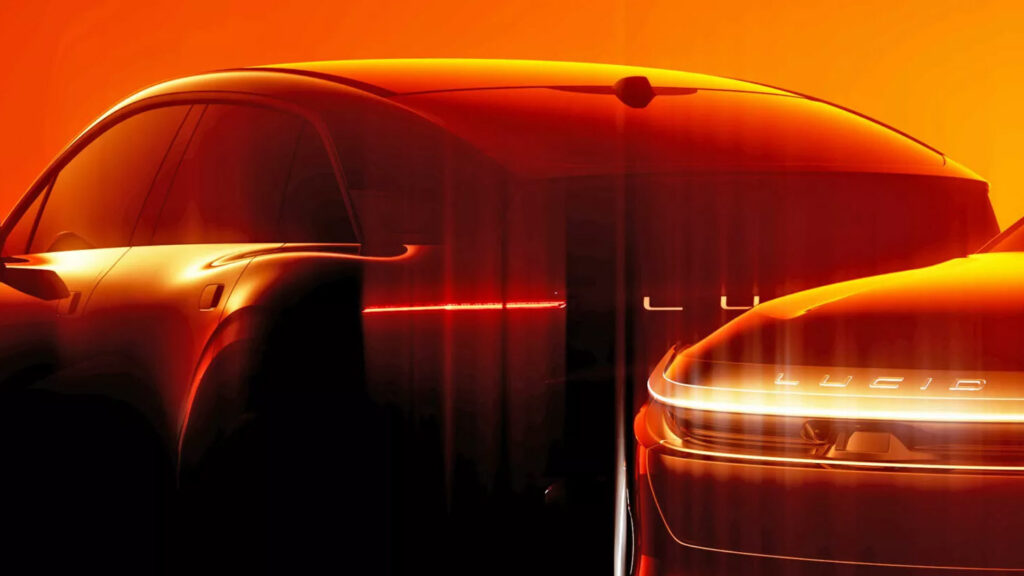
The layoffs at Lucid are occurring during a period when many startups in the electric vehicle industry are facing similar challenges, trying to find a balance between innovation, production expansion, and financial stability. The success of the Gravity and future more affordable models will be crucial not only for the company’s survival but also for proving the viability of a business model focused on the premium segment under general market pressure. The focus on robotaxis and the development of autonomous technologies indicate Lucid’s desire to diversify future revenue sources beyond traditional sales to private customers.