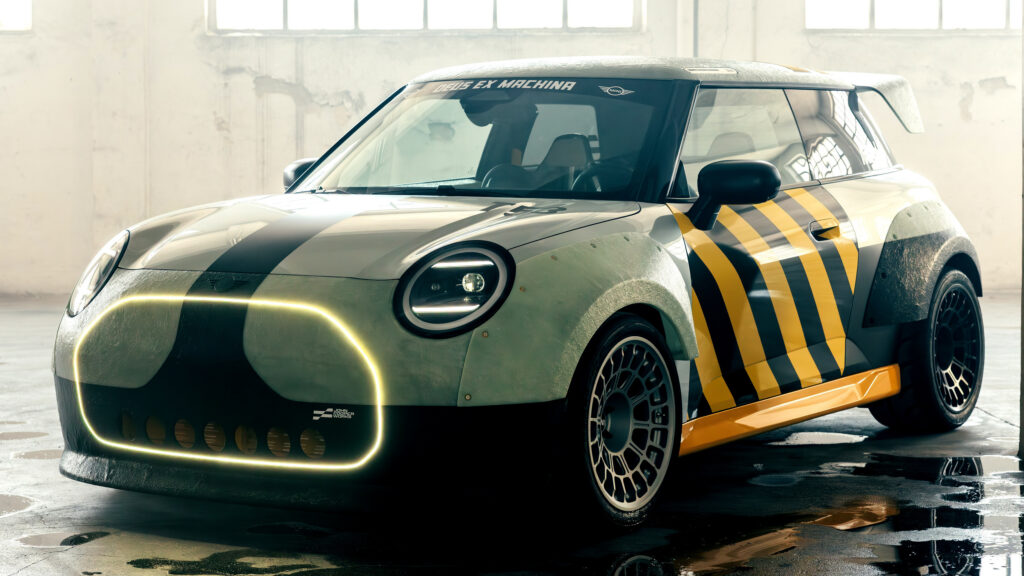
 by
by The next-generation Mini Cooper is already in development and promises to be radically different from the current model. Thanks to a new platform created by BMW, the car is expected to switch from front-wheel drive to rear-wheel drive. This would be a true revolution for the Cooper, since all generations of this hatchback, starting with the original from 1959, have sent power to the front wheels for nearly 70 years.
Expected key changes:
When the new generation will arrive
Mini enthusiasts will have to be patient. The current Cooper debuted only in 2024, with a facelift at least two years away. The exact timing for the next generation has not yet been announced, but it will almost certainly not appear before the next decade. Until then, Mini plans to show the direction of its model lineup through facelifts and new versions. Autocar was told this by the brand’s chief designer, Holger Hampf.
The current Cooper Electric shares a front-wheel-drive platform with the larger Mini Aceman crossover, which is built in China. According to the British magazine, the next generation will get BMW’s Gen6 platform, already used in the i3 and iX3 models. Crucially, this platform does not support a front-wheel-drive layout.
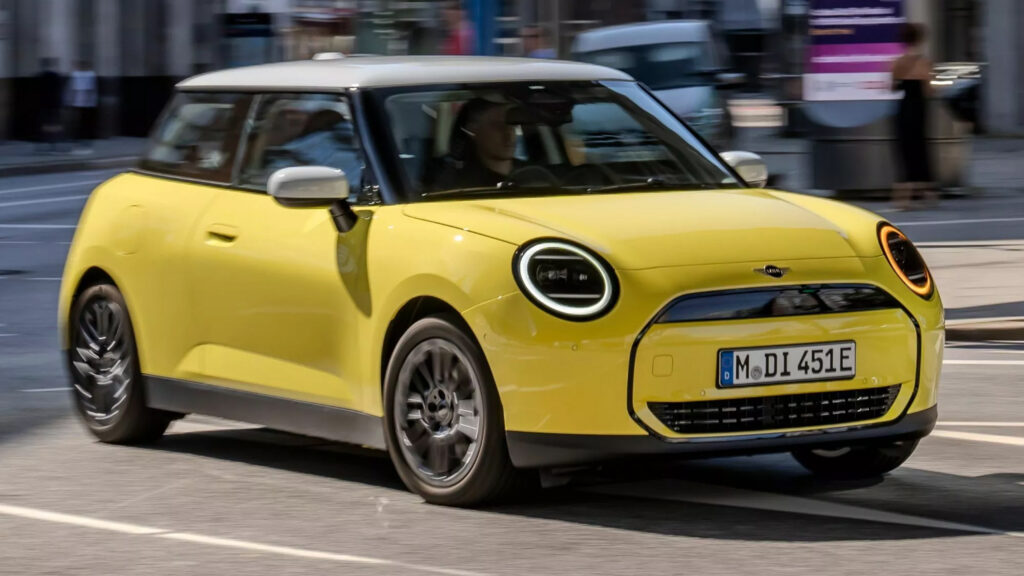
Mini has not officially confirmed the switch to rear-wheel drive, but this appears to be the most likely scenario. BMW engineers say they have no plans to create a front-wheel-drive version of the Gen6 platform. At the same time, the petrol-powered Cooper could remain front-wheel-drive into the 2030s, as it is based on a completely different architecture.
Preserving the retro character
Regardless of which platform underpins the new Cooper, Mini’s chief designer Holger Hampf hinted that the model could be inspired by the R50 generation — the first Mini created under BMW.
“Many people don’t actually remember the classic Mini, but they remember one of the Minis we made over BMW’s 25 years of ownership,” Hampf told the magazine. “I will make sure that this past resonates. And that doesn’t mean we’re going vintage. It’s a modern interpretation of what we’ve already done: smart use of space, elements that bring a smile. And, of course, a little Britishness.”
In addition to drawing from the past in design, Mini may also reduce the size of the new car. Hampf admitted that the model must be large enough to accommodate modern equipment and safety systems, but noted that discussions about dimensions are still ongoing at the company. He hinted that at least the three-door version will definitely remain in the lineup.
Source: Autocar
The switch to rear-wheel drive could significantly change the character of the model. The Mini Cooper has always been famous for its sharp handling and fun character precisely because of its front-wheel-drive layout: it allowed the car to confidently take corners and offer driving thrills unavailable to many competitors. Rear-wheel drive will bring a different balance, different dynamics, and even a different driving style, which could both attract a new audience and disappoint devoted brand fans. At the same time, the decision to keep the three-door body is an important signal: despite the general growth in dimensions and the pursuit of versatility, Mini has not forgotten its roots and those who value compactness and authenticity. It remains to be seen how the company will balance modern technology, electrification, and the brand’s rich heritage — and whether the new model will live up to the ambitious expectations placed on it.