 by
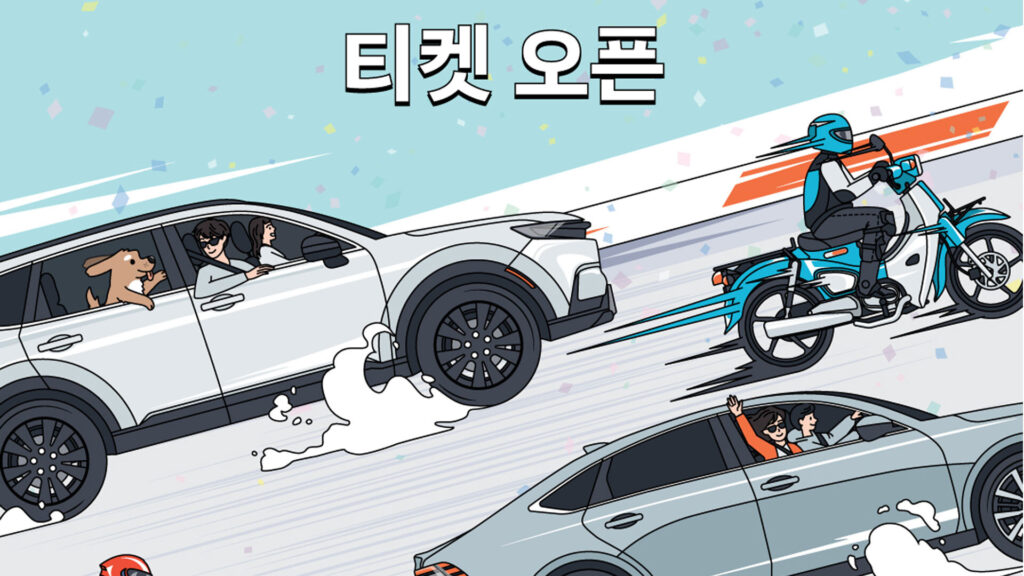
by Honda has announced it will stop selling cars in South Korea by the end of this year. The company had been operating in this market for over two decades, but low sales figures forced it to reconsider its strategy. Meanwhile, sales of motorcycles under the Honda brand in the country will continue.
Reasons for leaving the market
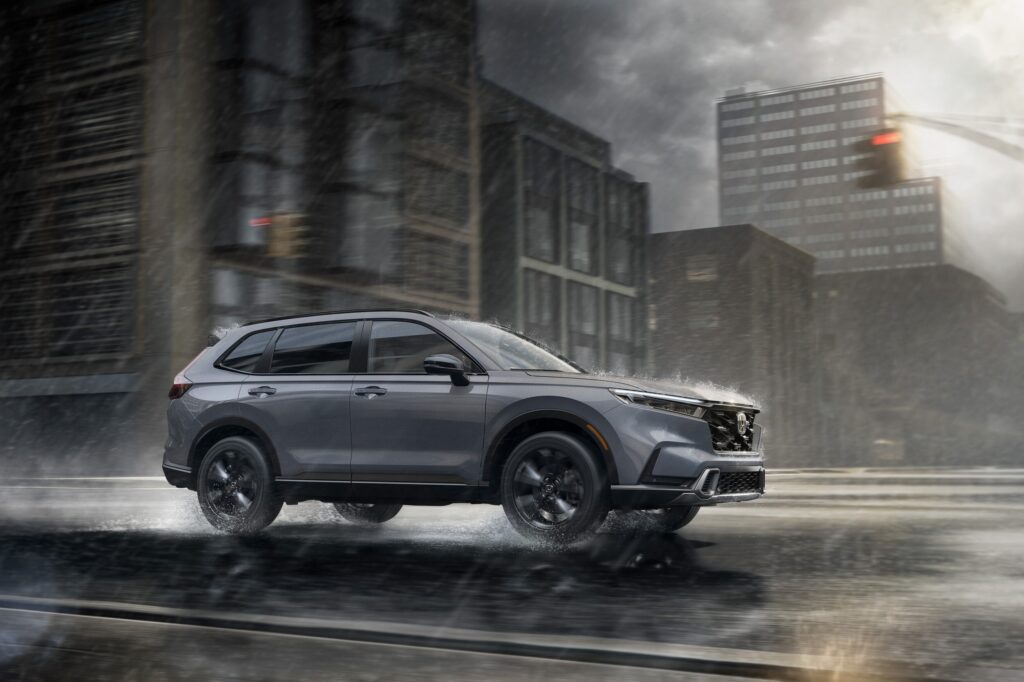
Honda began selling cars in South Korea in 2004, offering models such as the Accord and CR-V. However, these cars did not generate significant interest among local buyers. According to Reuters, the company sold fewer than 2,000 cars in the country last year. For comparison, in the US alone, 13,612 Accord models were sold in March. These low sales volumes were likely the main reason for the decision to exit the market.
Officially, Honda explained its departure citing
“changes in the environment surrounding the global and South Korean automobile markets”
. The company added that this decision was made after
“careful consideration from the perspective of concentrating corporate resources to strengthen its medium- and long-term competitiveness.”
Support for existing owners
The news of the market exit will undoubtedly upset Honda car owners in South Korea. However, the company has promised to provide after-sales support, including the supply of spare parts, service, maintenance, and warranty work. Thus, owners will not be left without support, at least in the foreseeable future.
Sales statistics and competitors
According to the Korea Automobile Importers & Distributors Association, only 84 Honda cars were registered in South Korea in March. This is very low, but nonetheless, the company outperformed Cadillac (75), Chevrolet (6), Ford (35), Lincoln (20), and Peugeot (72) in this metric.
Although many foreign brands have a small presence in South Korea, some achieve significantly greater success. For example, in March, 11,130 Tesla cars were registered, along with 6,785 BMWs and 5,419 Mercedes-Benz vehicles.
Sales of foreign brands in Korea
| Brand | March 2026 | Share % | February 2026 | Share % | Change % |
| Tesla | 11,130 | 32.8 | 7,868 | 28.9 | 41.5 |
| BMW | 6,785 | 20.0 | 6,313 | 23.2 | 7.5 |
| Mercedes-Benz | 5,419 | 16.0 | 5,322 | 19.6 | 1.8 |
| BYD | 1,664 | 4.9 | 957 | 3.5 | 73.9 |
| Volvo | 1,496 | 4.4 | 1,095 | 4.0 | 36.6 |
| Audi | 1,300 | 3.8 | 991 | 3.6 | 31.2 |
| Lexus | 1,178 | 3.5 | 1,113 | 4.1 | 5.8 |
| Porsche | 911 | 2.7 | 494 | 1.8 | 84.4 |
| MINI | 878 | 2.6 | 510 | 1.9 | 72.2 |
| Toyota | 738 | 2.2 | 793 | 2.9 | -6.9 |
| Land Rover | 727 | 2.1 | 386 | 1.4 | 88.3 |
| Polestar | 684 | 2.0 | 243 | 0.9 | 181.5 |
| Volkswagen | 476 | 1.4 | 600 | 2.2 | -20.7 |
| Jeep | 102 | 0.3 | 102 | 0.4 | 0.0 |
| GMC | 100 | 0.3 | 123 | 0.5 | -18.7 |
| Honda | 84 | 0.3 | 23 | 0.1 | 265.2 |
| Cadillac | 75 | 0.2 | 23 | 0.1 | 226.1 |
| Peugeot | 72 | 0.2 | 79 | 0.3 | -8.9 |
| Ford | 35 | 0.1 | 66 | 0.2 | -47.0 |
| Bentley | 31 | 0.1 | 40 | 0.2 | -22.5 |
| Lamborghini | 26 | 0.1 | 4 | 0.0 | 550.0 |
| Lincoln | 20 | 0.1 | 15 | 0.1 | 33.3 |
| Ferrari | 18 | 0.1 | 13 | 0.1 | 38.5 |
| Rolls-Royce | 15 | 0.0 | 17 | 0.1 | -11.8 |
| Chevrolet | 6 | 0.0 | 0 | 0.0 | 0.0 |
| Maserati | 0 | 0.0 | 0 | 0.0 | 0.0 |
| Total | 33,970 | 100.0 | 27,190 | 100 | 24.9 |
Honda’s decision to leave the South Korean market is a telling example of how even global players can be forced to reconsider their presence in individual markets due to low demand. South Korea, dominated by local manufacturers such as Hyundai and Kia, is a difficult market for foreign brands. The success of Tesla, BMW, and Mercedes-Benz shows that consumers prefer brands with a clearly defined positioning, whether in the electric vehicle segment or the premium class. For Honda, which failed to offer a compelling enough proposition to compete with local giants and other imported brands, exiting the market was a logical step to optimize resources.