 by
by Audi Concept C Concept to Become the Production Successor to the TT Model
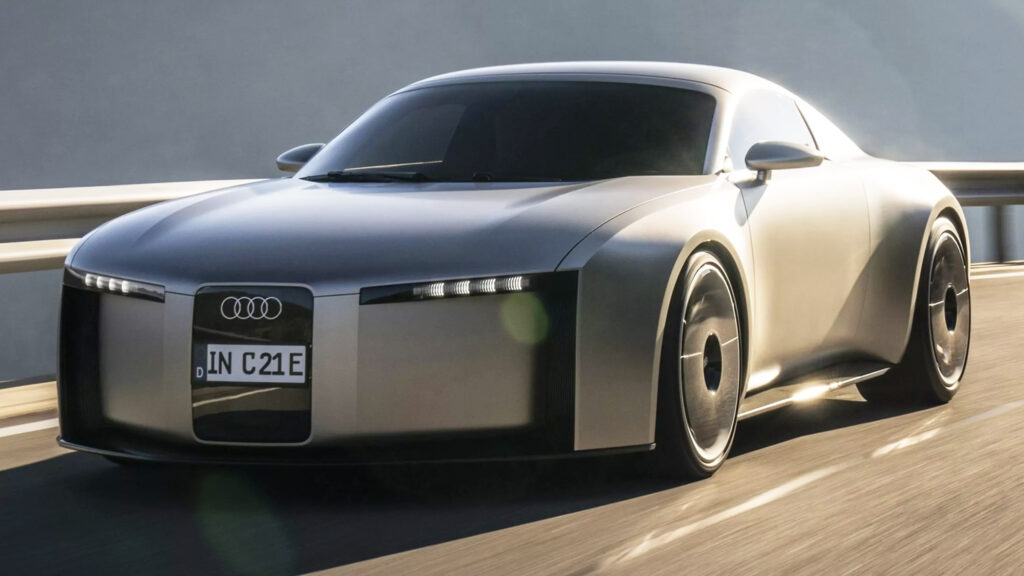
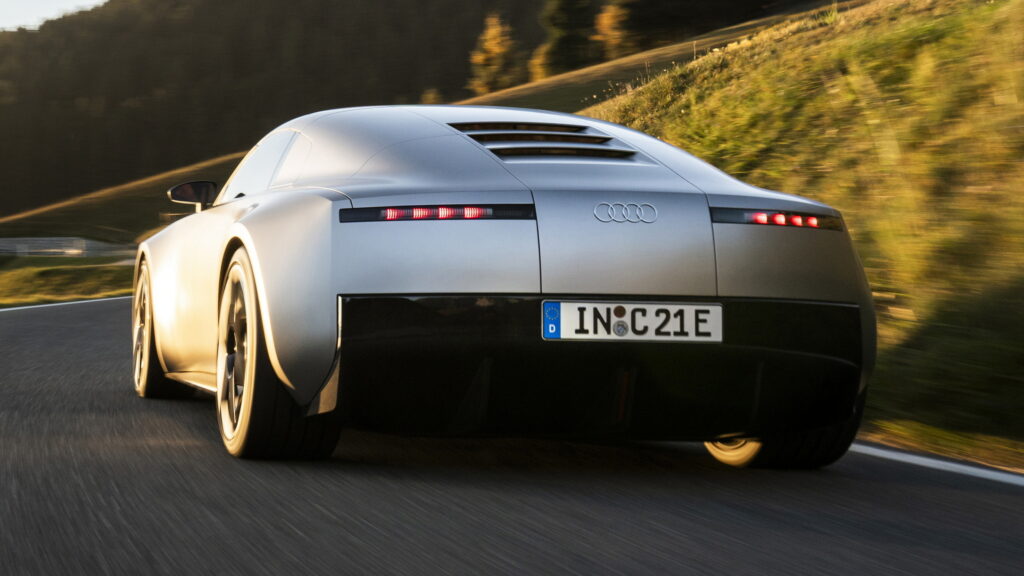
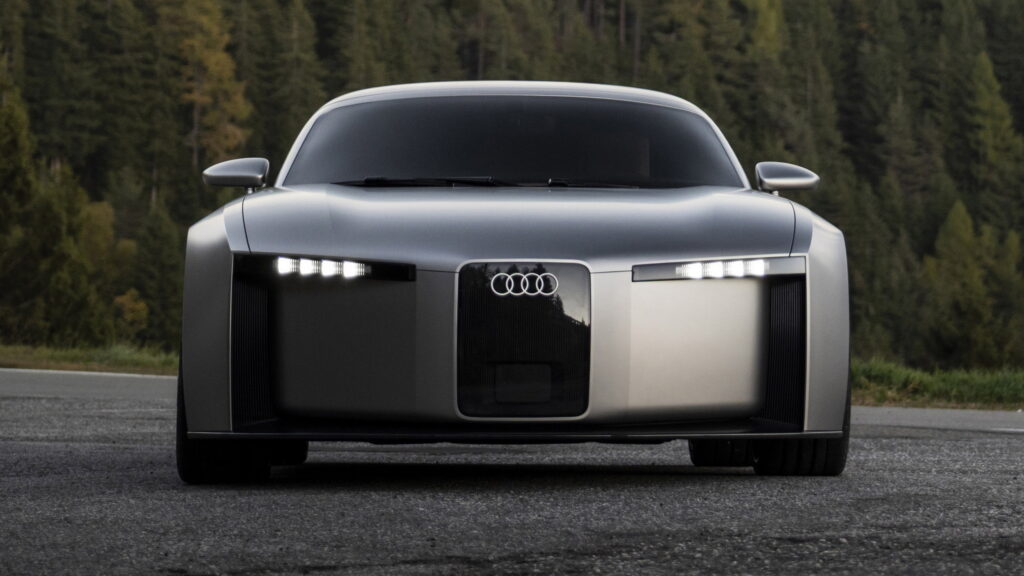
The recently presented Audi Concept C concept car not only demonstrates the brand’s new design philosophy but will also give life to a production model that will replace the iconic TT. Moreover, this car will appear on the market extremely quickly — in just two years, as the German company is actively implementing the principles of so-called “Chinese speed” development.
After the discontinuation of the TT and mid-engine R8 models, there are no longer any two-door sports cars left in the Audi lineup, making the Concept C particularly important. From the first sketches to the start of series production, only three years will pass, which is significantly faster than Audi’s traditional development cycle.
When we present a new concept, it will always be a serious product. The first proof of our strategy is the Concept C. We presented it last September, and within two years it will be on the market.
Technical Basis from Porsche
The production model will be built on an updated version of the Premium Platform Electric (PPE) architecture from the Volkswagen Group. The same platform will be used by the new generation of Porsche 718 Cayman and 718 Boxster models.
There were rumors about the possible cancellation of the electric 718 versions, however, according to Audi management, the supply of the platform from Porsche is not in doubt, and work on the Concept C continues in close cooperation between the teams of the two brands.
Details about the powertrain are still limited, but it is known that it will be an electric vehicle. The batteries will be positioned in such a way as to mimic the weight distribution and behavior of a traditional mid-engine sports car.
The “Chinese Speed” Philosophy
Accelerating the car’s market launch is aided by the new “Chinese speed” philosophy. The company is abandoning multi-level committees in favor of “project houses,” where under one roof with one leader, specialists in design, engineering, production, procurement, quality, and validation work, who have direct access to the board of management.
We have fully adapted this to our processes in Germany. Soon we will prove that we are capable of reacting just as quickly as in China, but within European programs. The key to fast projects lies in the early phase, alignment between design, engineering, and testing teams.
This approach allows for quick decision-making, eliminating bureaucratic delays. The Audi executive noted that he holds spontaneous meetings weekly to maintain a high development pace and ensure project stability, which can be tested within very tight deadlines.
The rapid transition from concept to series production indicates that Audi is seriously intent on restoring its presence in the affordable sports car segment. The use of the proven PPE platform, developed jointly with Porsche, is expected to provide high dynamic performance and reliability, while the new organizational structure could become a model for future projects not only in the German automotive industry. The success of this initiative could significantly accelerate the appearance of other electric novelties from the brand, especially in a niche where speed to market is becoming an increasingly critical competitive advantage.