 by
by New Ford Agreement in Canada: Wage Increases and Investments in V8
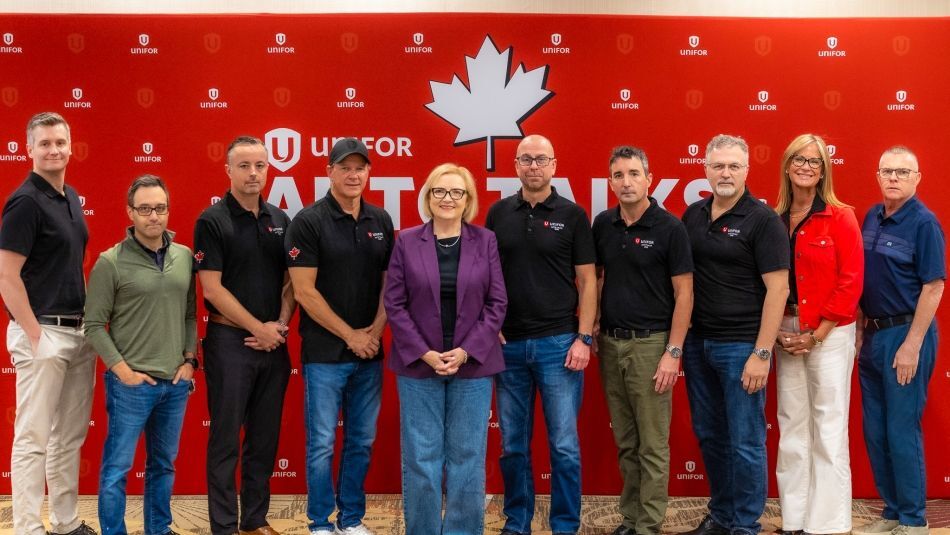
Workers at Ford in Canada have overwhelmingly approved a new collective agreement. The three-year deal received support from 74% of Unifor union members.
Conditions for Workers
Hourly workers will receive a 9% wage increase over the term of the agreement, which takes effect on September 21 and ends on September 19, 2029. Permanent full-time workers will receive a bonus of 10,000 Canadian dollars ($7,101 USD), while temporary workers will receive only 2,000 Canadian dollars ($1,420 USD). The agreement also includes increases in pension benefits and other social benefits, as well as adjusted starting wages for new workers.
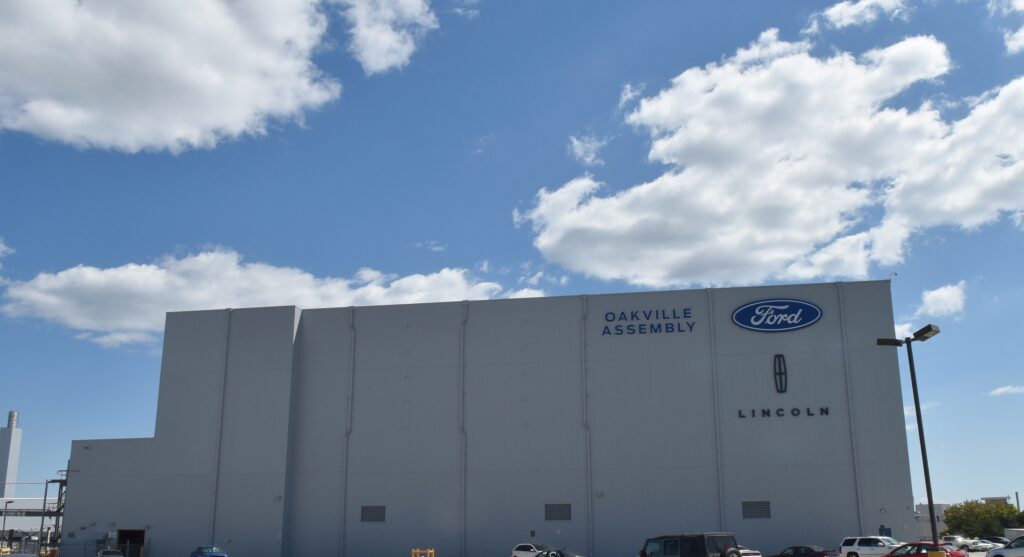
The Unifor union specified that wages for production workers will rise to 50.20 Canadian dollars ($35.64 USD) per hour by the end of the agreement, while skilled trades workers will receive 62.71 Canadian dollars ($44.53 USD) per hour. Additionally, the contract includes a cost-of-living allowance, increased medical insurance benefits for retirees, and survivor benefits for widows. The union also mentioned assistance for laid-off workers from the Oakville assembly plant, including a special payment of 10,000 Canadian dollars ($7,101 USD) and a program providing a path to full employment with a target completion date of July 1, 2027.
Investments in Canada
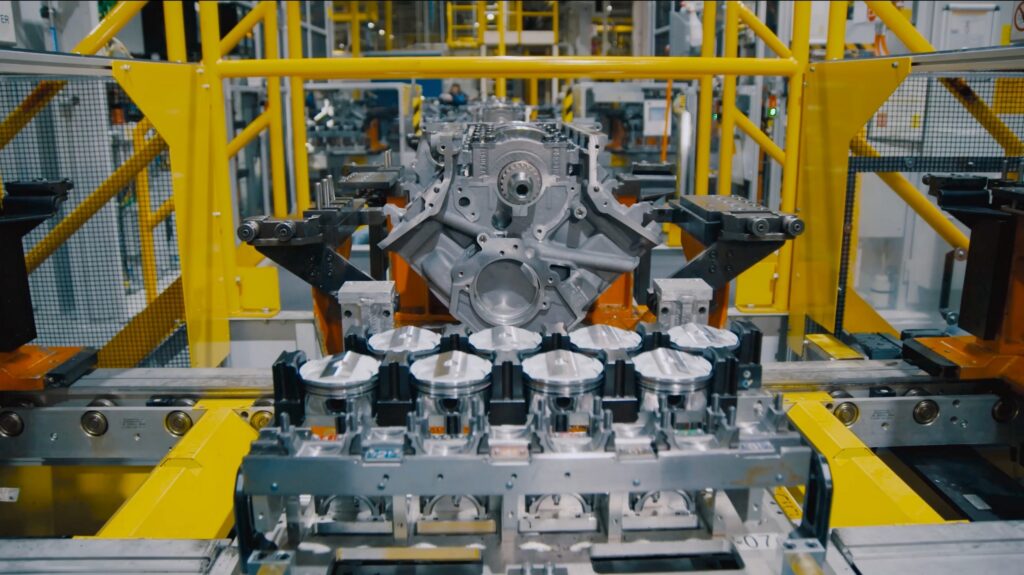
In addition to worker benefits, the agreement includes Ford investments totaling 1.25 billion Canadian dollars ($888 million USD) in the Canadian economy. This includes previously planned investments in the Oakville assembly plant, as well as 700 million Canadian dollars ($497 million USD) in new spending on the Essex engine plant. These funds will be used to maximize production of the 5.0-liter V8 engine, as well as to support the continued production and expansion of the 7.3-liter V8 engine. The plant also plans to add a third shift starting in 2029.
Ford CEO Jim Farley noted:
This agreement is about investing in our people and the future of Canada. Through this agreement and our ongoing investments in Oakville, Windsor, and Essex, we are building on over a century of manufacturing leadership in Canada and strengthening Ford’s ability to compete and win in the future.
Farley also expressed his support for the United States-Mexico-Canada Agreement (USMCA), stating:
A strong, integrated North American manufacturing system is critical to our competitiveness, and a reworked USMCA is crucial to countering the cost and currency advantages enjoyed by imported vehicles from Korea and Japan.
Unifor National President Lana Payne stated:
Our members have ratified a strong agreement that delivers real gains and much-needed stability, despite the unprecedented challenges facing Canadian auto workers and the entire industry. Bargaining in a crisis is never easy, but our primary goal was to achieve a wide range of improvements for all our members, building on the gains of 2023.
Following the ratification of the agreement with Ford, attention will now shift to General Motors and Stellantis. Unifor will likely seek similar concessions from them, as well as commitments for new product production in Canada.
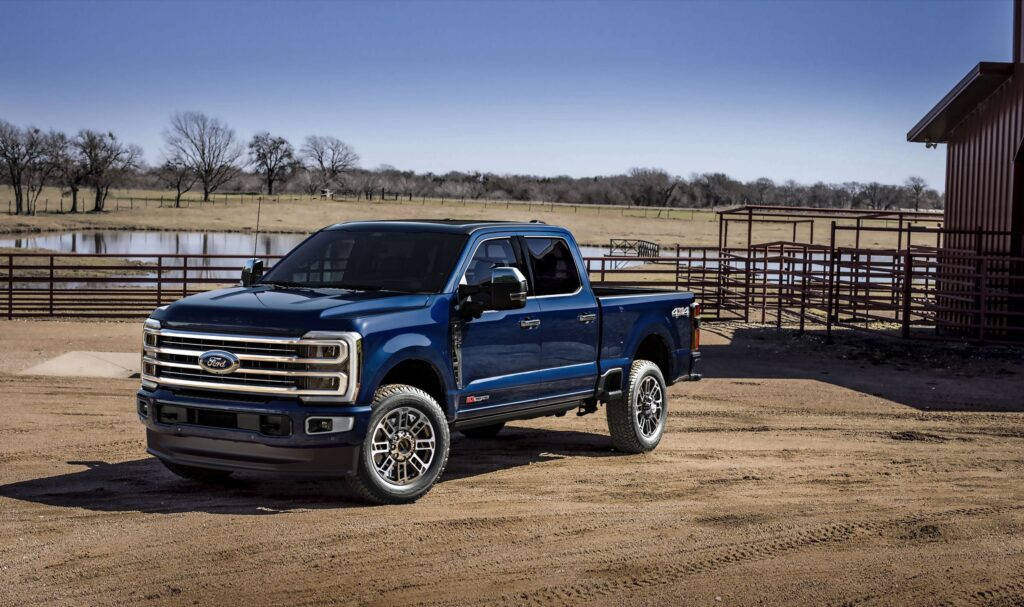
This agreement is a landmark achievement for Canadian auto workers amidst global instability in the automotive industry. It not only secures significant wage increases and social guarantees but also demonstrates Ford’s strategic focus on maintaining and developing V8 engine production, which remains key to popular models such as the F-Series pickup trucks. Investments in the Essex plant and plans to add a third shift signal the company’s long-term commitment to Canada, despite the general trend towards electrification. Now that Ford has succeeded, negotiations with GM and Stellantis will be the next test for the union, which seeks to extend these gains to all auto workers in the country.