 by
by Joint Project of Two Giants
The development of hydrogen mobility for passenger cars is not progressing as quickly as expected, but it has obvious prospects in the commercial sector. The latest step in this direction is the collaboration between Isuzu and Toyota. The companies have joined forces to develop Japan’s first mass-produced light-duty fuel cell truck, which is set to appear on the roads within the next two years.
Technical Basis of the New Vehicle
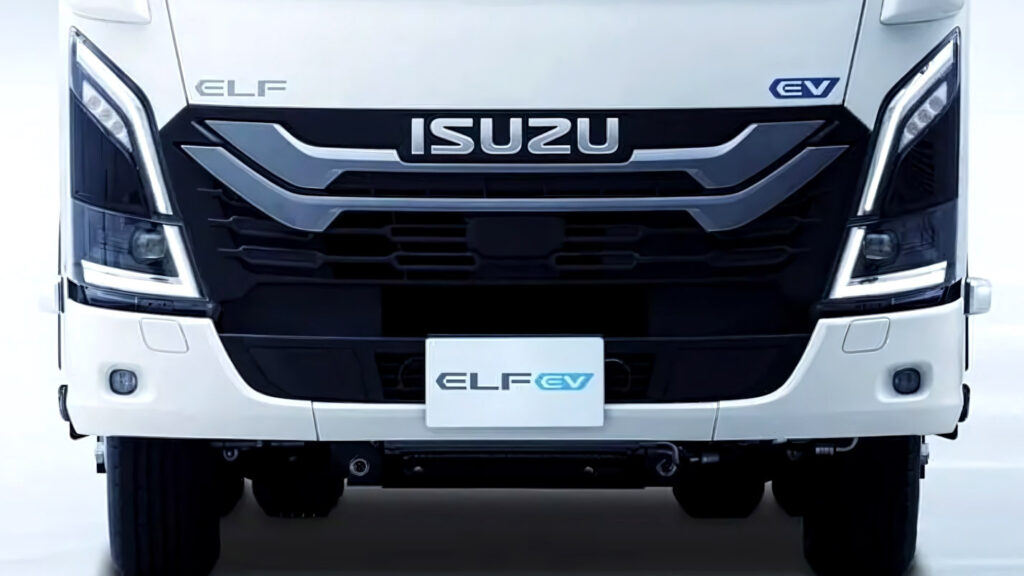
This will not be an entirely new development from scratch. It is based on the already known frame chassis of the electric Isuzu Elf EV. This model, known globally as the N-Series, debuted in 2023 with modular battery packs of 20 kWh each; total capacity can range from 40 to 180 kWh depending on configuration.
The real novelty lies under the hood. The key element will be Toyota’s upcoming third-generation fuel cell system. It is claimed to provide 20% better efficiency compared to the current one. The system is also expected to be more durable and better withstand intensive use, which is critically important for transport that operates daily in urban logistics with constant stops or carries refrigerated cargo.
Why Hydrogen Specifically?
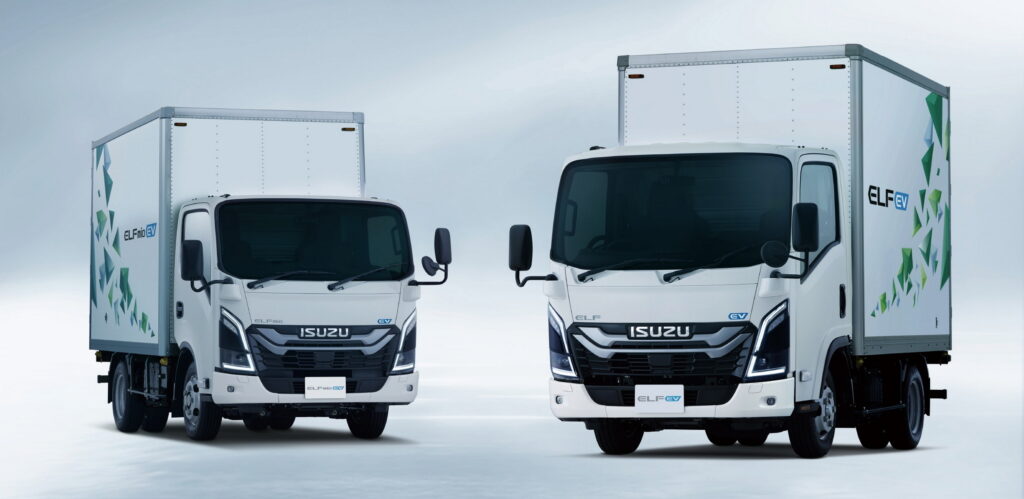
One of the main reasons for this project is the natural limitations of battery-electric trucks in certain commercial scenarios. Light-duty trucks used for delivering goods to supermarkets and stores are often equipped with powerful refrigeration equipment that quickly drains the battery. Furthermore, the long charging time for large batteries can disrupt tight delivery schedules.
Refueling with hydrogen takes approximately the same amount of time as refueling with diesel, offering a smoother transition for fleet operators, as well as providing a greater range.
The hydrogen truck also generates significantly less vibration and noise compared to its diesel counterpart, while having zero CO2 emissions.
Questions of Cost and Infrastructure
The main challenge remains cost. Fuel cell vehicles are still expensive, and hydrogen infrastructure is far from widespread. Isuzu and Toyota claim the answer lies in smarter engineering: from optimizing the vehicle’s design to rethinking manufacturing processes, alongside continued development of the fuel cell system itself.
Production of the light-duty hydrogen truck is scheduled to begin in the Japanese fiscal year 2027, which ends on March 30, 2028.
Collaboration Experience and Future Prospects
This is not the companies’ first joint project in the hydrogen sphere. Isuzu and Toyota are already collaborating on creating the ERGA FCV — a low-floor city bus with integrated rooftop hydrogen tanks. This experience likely helped shape the approach to developing commercial transport. The success of such initiatives will depend not only on the technical characteristics of the vehicle itself but also on the synchronous development of the refueling station network and the economic feasibility of operation for businesses. The transition to new types of fuel for commercial transport is always a balancing act between environmental benefits and operational costs, and it is this balance that manufacturers are trying to find.