 by
by New License Plates in Pennsylvania Cause Chaos Due to Recognition System Errors
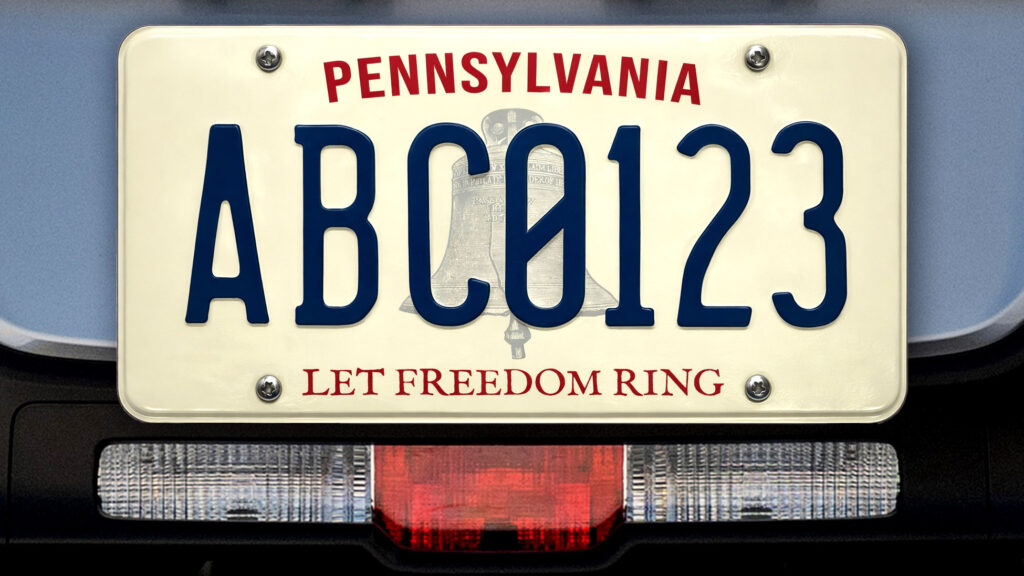
The state of Pennsylvania introduced new license plates dedicated to the 250th anniversary of the Liberty Bell. However, instead of becoming a successful project, they have caused widespread problems. Automated cameras on toll roads incorrectly recognize the “slashed zero” symbol on the plates, mistaking it for an eight. This leads to drivers receiving bills for tolls they never incurred.
The Irony of an Improvement That Created a Problem
The paradox of the situation is that the Pennsylvania Department of Transportation specifically introduced the slashed zero into the design to improve clarity. The goal was to prevent confusion between the digit “0” and the letter “O,” which is a long-standing problem for both humans and machines. This change was based on recommendations from the American Association of Motor Vehicle Administrators.
Pennsylvania was aiming for this with its new 250th anniversary of the Liberty Bell license plate. Instead, the design is now creating a major headache for residents.
However, solving one recognition problem appears to have spawned another. Instead of scrapping the design, officials state that the fix will occur through recalibration and software updates for the cameras. The systems must “learn” to distinguish between a slashed zero and an eight as more new plates pass through the scanners, but this process will take time.
The Scale of the Problem and Recommendations for Drivers
As reported by local media, the problem has been acknowledged by the Pennsylvania Turnpike Commission. It is noted that not all cameras are affected; however, the issue extends beyond toll collection systems. Any organization using automated license plate readers could face similar confusion.
Drivers are advised to carefully check all received toll bills and contact the Commission if discrepancies are found. Also, any services using such systems are recommended to double and triple-check alerts to ensure that the vehicle and license plate match those listed in the system.
Risks of Automated Systems and Real-World Consequences
Misrecognition can have serious consequences beyond incorrect bills. An example from Arkansas is cited, where a couple with children in the car was stopped by police who held them at gunpoint due to a received alert about a stolen license plate. The officers did not verify if the plate number was indeed the same, and it turned out to be an error.
The officers did not confirm that the license plate was the same as the one seen by the ALPR cameras. It turned out to be the wrong license plate.
It is hoped that in Pennsylvania, similar incidents with serious consequences will not occur due to the new license plate design. For now, drivers will have to be especially attentive to documentation, and authorities will need to speed up the process of updating and adjusting the equipment.
This situation in Pennsylvania clearly demonstrates how technological innovations, even those implemented with the best intentions, can cause unforeseen failures in the real world. The problem with character recognition is not just a technical glitch but an issue that directly impacts safety, finances, and citizens’ trust in government systems. While engineers work on updating the software, it is important to remember that the final decision in critical situations, such as police checks, should remain with a human, not exclusively with an algorithm. This case could become an important lesson for other regions planning to modernize their license plate designs or rely on automated control systems.