 by
by New Affordable Electric Car from Dacia
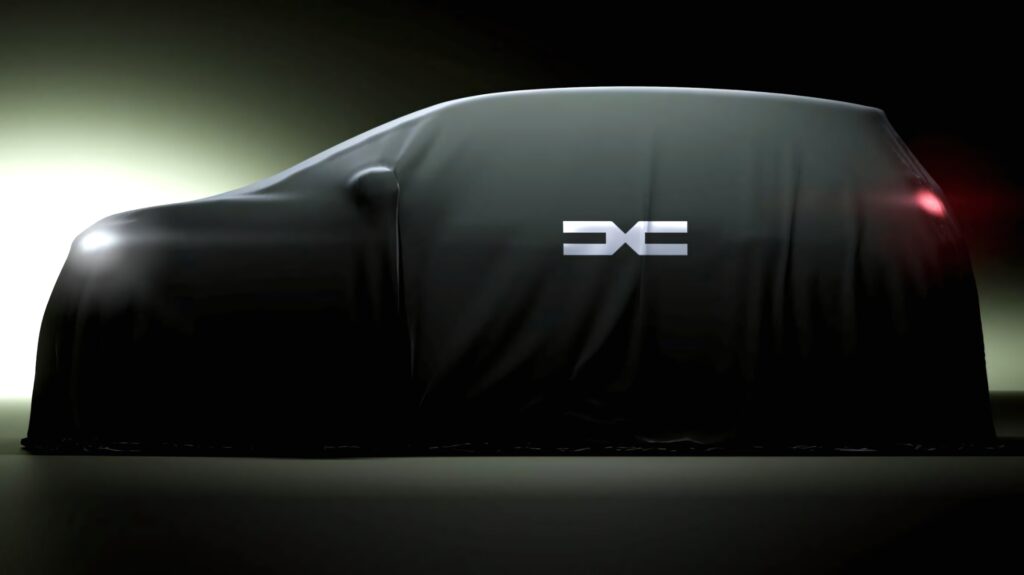
In response to the wave of affordable electric cars from China flooding the European market, European automakers are seeking quick ways to compete. The Dacia brand, part of the Renault group, plans to fight them with their own weapon – by offering its own budget electric car under a European flag.
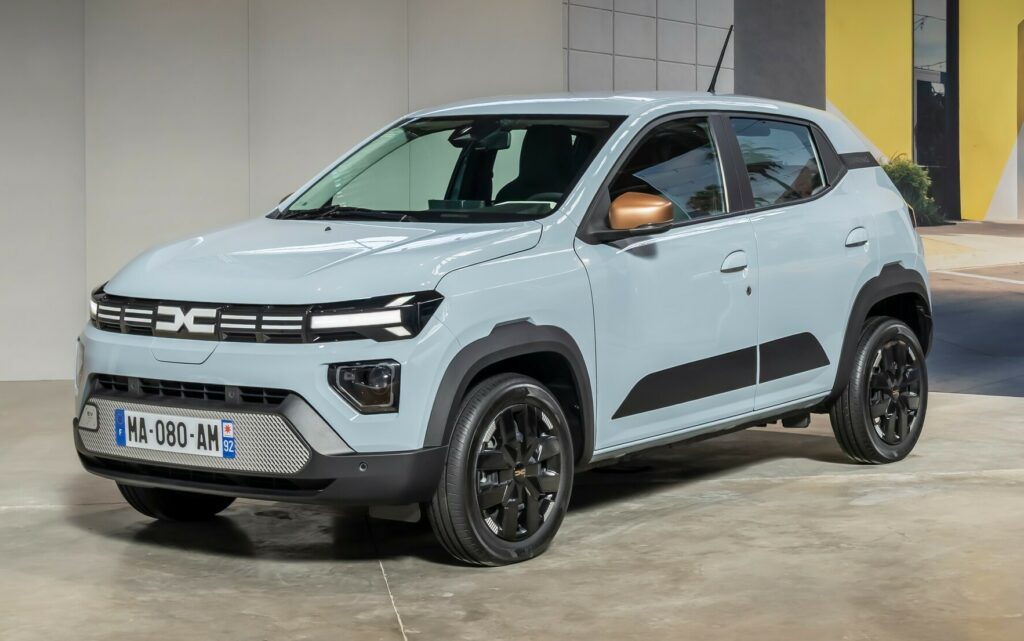
The company already sells the Spring model on the continent, which is one of the most affordable electric cars in Europe. However, Dacia is preparing to launch another budget model, which is set to appear in the second quarter of next year.
Key Details of the New Car
Connection with Twingo and Production
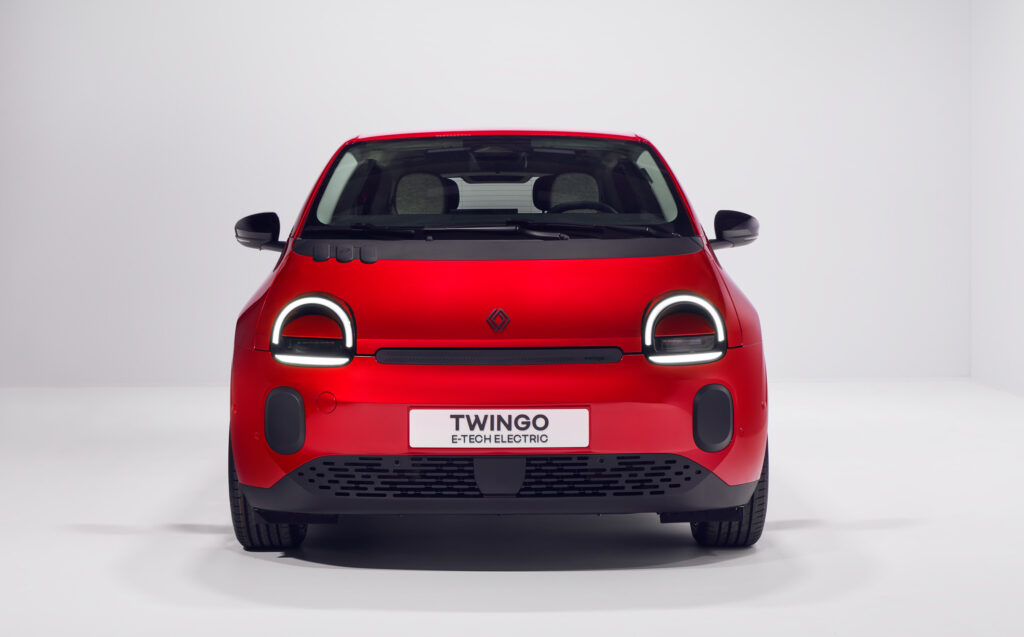
The future model will be based on the new Renault Twingo. Unlike the Spring, which is produced in China, this new electric car will be assembled in Slovenia at the same Novo Mesto plant as its gasoline “brother”.
Our goal is to maximize the electric car offering in the mini-car segment. We see that the A-segment and, probably in the future, the B-segment are transitioning very quickly to electric drive models, – stated Dacia’s sales director Frank Marotte.
Uniqueness of the New Model
To avoid competition with its own Spring, Dacia claims that the new model will be “completely different”. The differences will be not only in the exterior but also in the choice of colors, interior design, and set of features. The goal is to give each model its own identity, even if they serve similar purposes in the budget segment.
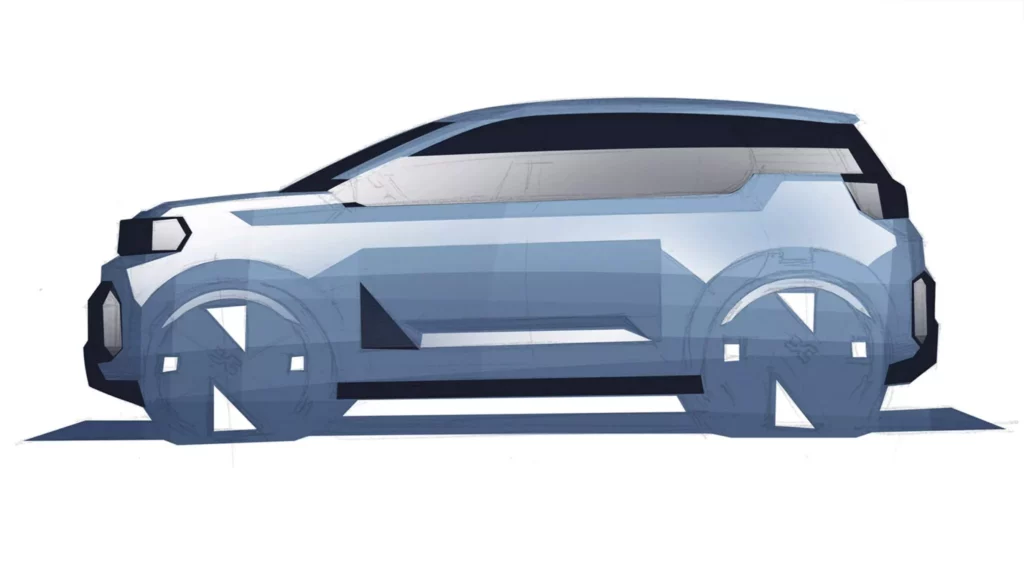
The company has already shown several design hints: a teaser sketch depicting a compact hatchback with crossover features and sharp lines, as well as a camouflaged prototype. Both suggest that the new electric car will not be just a copy of the Spring.
Pricing Policy and Regulatory Advantages
Interestingly, in some countries, the new model may turn out to be cheaper than the Spring. In states such as France and the UK, government subsidies usually do not apply to models produced in China, which could make the Slovenian-assembled car more advantageous after applying local incentives.
Furthermore, the new model will help Dacia reduce the average CO2 emissions of its entire fleet, which is an important step for compliance with strict EU targets. The brand did not meet emission targets in 2024 and 2025, but this model is part of efforts aimed at complying with the rules by 2027.
Technical Specifications
The car will be built on a shortened version of the Renault AmpR Small platform, which underpins the new Twingo. The powertrain will include a single electric motor with 81 horsepower and 175 Nm of torque, paired with a lithium-iron-phosphate battery with a capacity of 27.5 kWh. Only one trim level has been confirmed so far.
The appearance of this model demonstrates how European manufacturers are adapting to new market realities. Dacia’s strategy, focused on localizing production and leveraging local subsidies, could become the key to competitiveness. The success of this car may point the way for other brands trying to defend their market share without sacrificing profitability. All this is happening against the backdrop of a general market transformation, where affordability and environmental friendliness are becoming decisive factors for buyers.