 by
by Production Plans and Powertrains
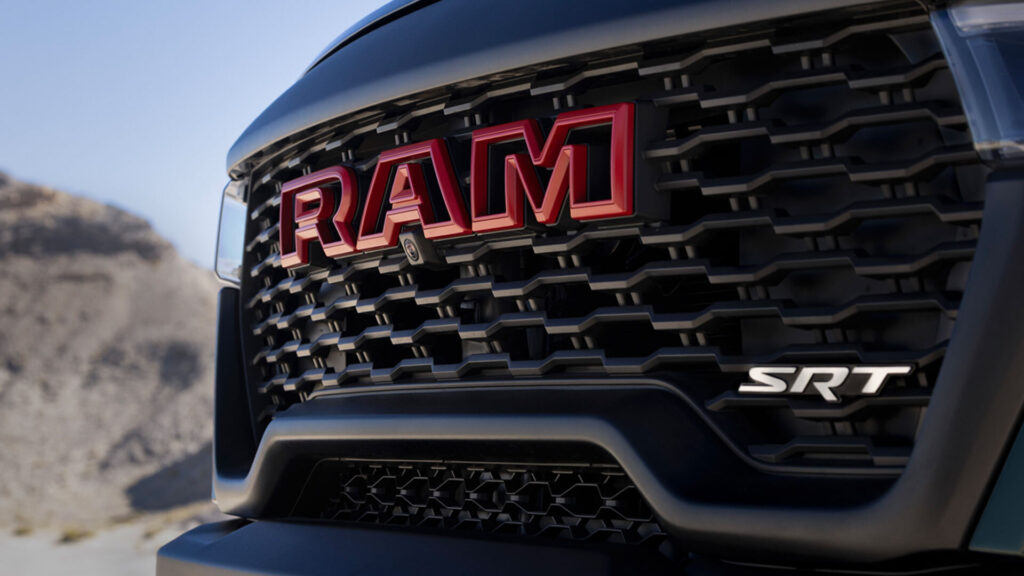
Ram has been teasing the public with the new Ramcharger for several months and previously confirmed that SUV production will begin in 2028 at the Warren Truck Plant in Michigan. It was also announced that the model will be offered with both an internal combustion engine and a hybrid powertrain with an extended range.
This was not a surprise, as the aforementioned plant also produces the Jeep Grand Wagoneer. Therefore, it was logical to assume that both models would share powertrains.
Earlier, it was expected that the Ramcharger would receive a 3.0-liter twin-turbocharged inline six-cylinder engine producing 420 hp (313 kW) and 635 Nm of torque. It was likely to be joined by the Wagoneer REEV hybrid setup, which combines a dual-motor all-wheel drive system with a 92 kWh battery pack and a 3.6-liter Pentastar V6 engine acting as a generator. This system delivers a total output of 647 hp (482 kW) and 840 Nm of torque, allowing acceleration to 60 mph in five seconds and providing a range of over 805 km.
Unexpected Twist: V8 and Uniqueness
However, Stellantis recently hinted at additional powertrains, confirming during Investor Day the arrival of the Grand Wagoneer SRT and Ramcharger SRT. Ram CEO Tim Kuniskis has now explained how these two models will be similar and different.
Focus on V8
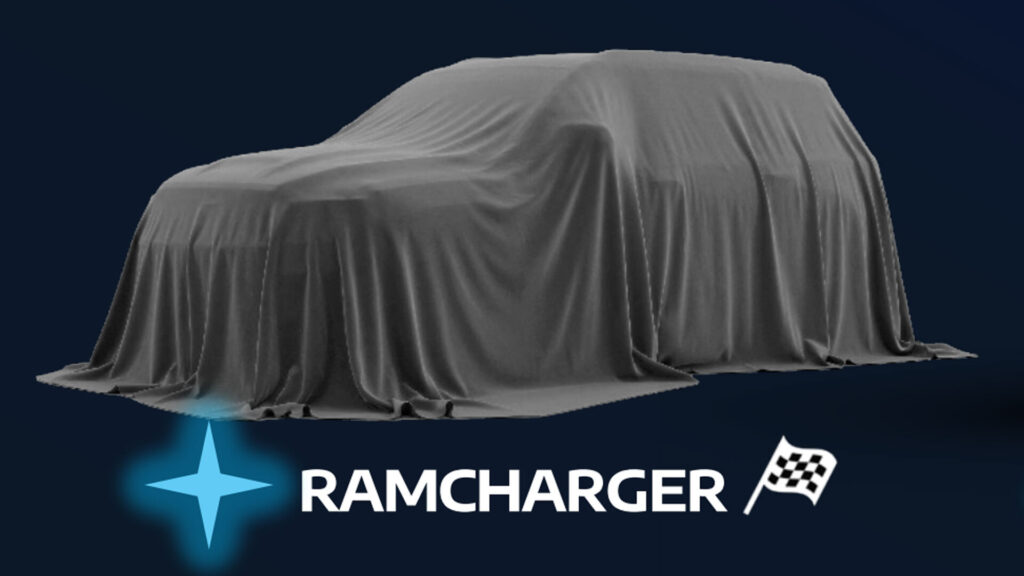
In a conversation with The Drive, Kuniskis stated that the Ramcharger will be more truck-like and “more V8-focused.” In fact, it will embody the true Ram philosophy and avoid past mistakes.
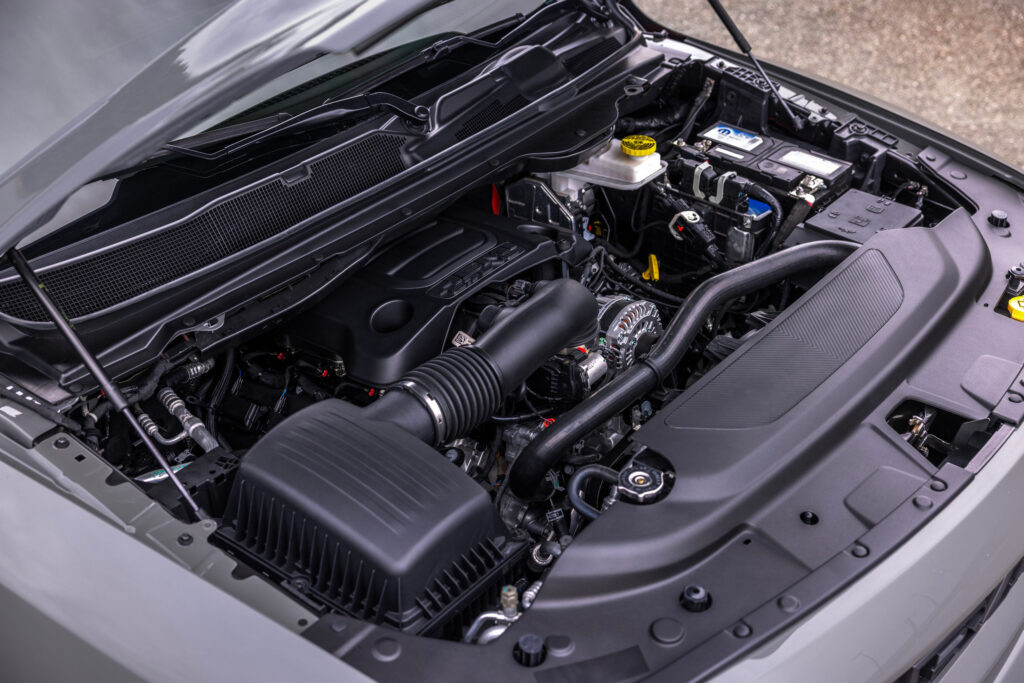
This means that the Ramcharger’s engine lineup could be very similar to the new Rumble Bee. It might start with a 5.7-liter Hemi V8 producing 395 hp (295 kW) and 555 Nm of torque. Customers will also be able to choose a 6.4-liter Hemi V8, which delivers 470 hp (350 kW) and 616 Nm.
The mentioned SRT variant will undoubtedly use a supercharged 6.2-liter Hellcat V8 producing 777 hp (579 kW) and 921 Nm of torque. This allows the 1500 TRX SRT to accelerate to 60 mph in 3.5 seconds, reaching a top speed of 190 km/h.
Visual and Conceptual Distinction
Kuniskis also noted that the Ramcharger and Grand Wagoneer should “look, feel, and behave differently.” This is especially important since they will be located on the same dealer lot.
This sharply contrasts with key competitors like Cadillac, Chevrolet, GMC, Ford, and Lincoln, which have separate showrooms for their full-size SUVs. However, Kuniskis said they deliberately placed the Ramcharger and Grand Wagoneer side by side to ensure they look different.
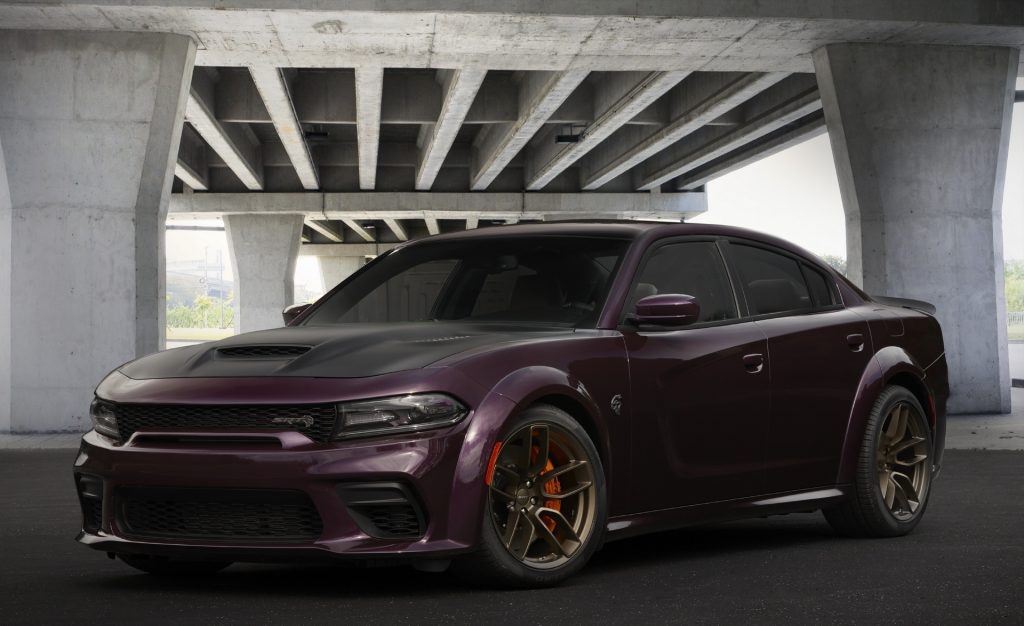
The executive hinted that the relationship between the models would resemble the old Chrysler 300 and Dodge Charger. Both had unique designs and separate customers, despite sharing many components. Specifically, the Charger was known for high performance, while the 300 focused on luxury.
Reading between the lines, this formula could be repeated with the Grand Wagoneer and Ramcharger. The former will likely focus on comfort and convenience, while Ram will bet on performance and driving enjoyment.
Thus, the Ramcharger is positioned not just as another large SUV, but as a powerful and charismatic vehicle that emphasizes the Ram brand’s heritage. Abandoning unification with the Grand Wagoneer in favor of its own, more “muscular” character with V8 engines could become a key competitive advantage. This will allow Ram to attract buyers who seek not just luxury, but genuine power and individuality, which is especially important in a market dominated by giants like the Ford Expedition and Chevrolet Tahoe. The decision to place both models side by side in dealerships is a bold move that will force customers to consciously choose between comfort and performance, rather than simply relying on the brand.