 by
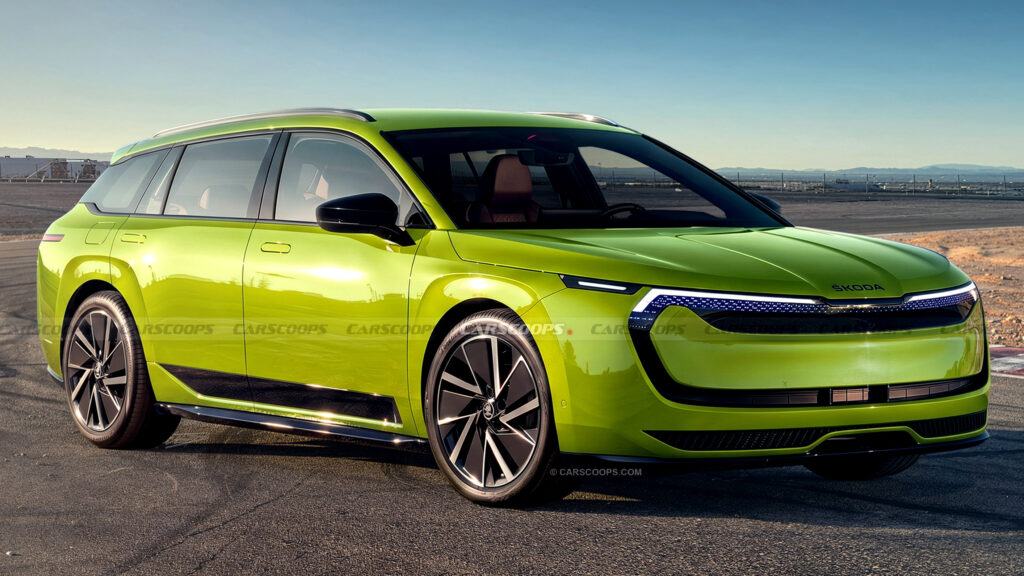
by Skoda, a brand within the Volkswagen Group, no longer hides its ambitions to become the largest player in the European market. The Vision O concept, unveiled last year at the Munich Motor Show, is the best evidence of how the company plans to achieve this goal. According to unofficial but widely circulated information, this concept will form the basis of the new generation Octavia.
Striking Design
The new Octavia will likely adopt the “Modern Solid” design language. Our research shows that the car will retain a familiar silhouette but gain a cleaner, more contemporary look. The traditional radiator grille will disappear, making way for a smoother, more aerodynamic front end reminiscent of exclusive Audi models for China. A sculpted hood and sharply defined front fenders will emphasize a wider, more confident stance.
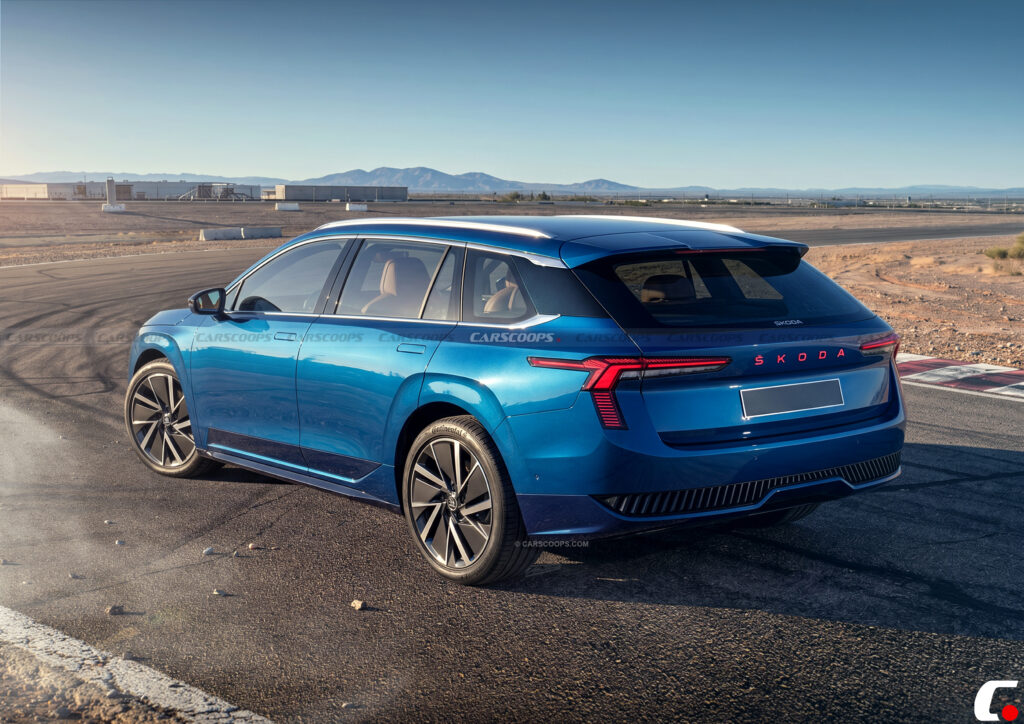
In profile, the long roof will remain true to the practical roots of the Combi estate, but a longer wheelbase, stronger shoulder lines, and a lower roofline will give it a more streamlined appearance. The rear end will somewhat resemble the Vision O, with an illuminated “SKODA” emblem stretching between T-shaped taillights.
Interior of the Future
If the concept’s interior is translated into the production model, the Octavia could significantly “step on the heels” of its larger sibling, the Superb. Expect a display stretching from pillar to pillar, similar to BMW’s Panoramic Vision system, along with a large, floating central touchscreen and a minimalist trim style.
Those who miss tactile feedback will appreciate Skoda’s decision to retain physical buttons for essential climate control and vehicle functions. AI-powered voice control, over-the-air updates, enhanced navigation, and Level 2+ driver assistance systems are also likely to be available. And, of course, it wouldn’t be a true Skoda without an emphasis on clever storage solutions, an umbrella, and a spacious rear seat and trunk.
Electric and ICE
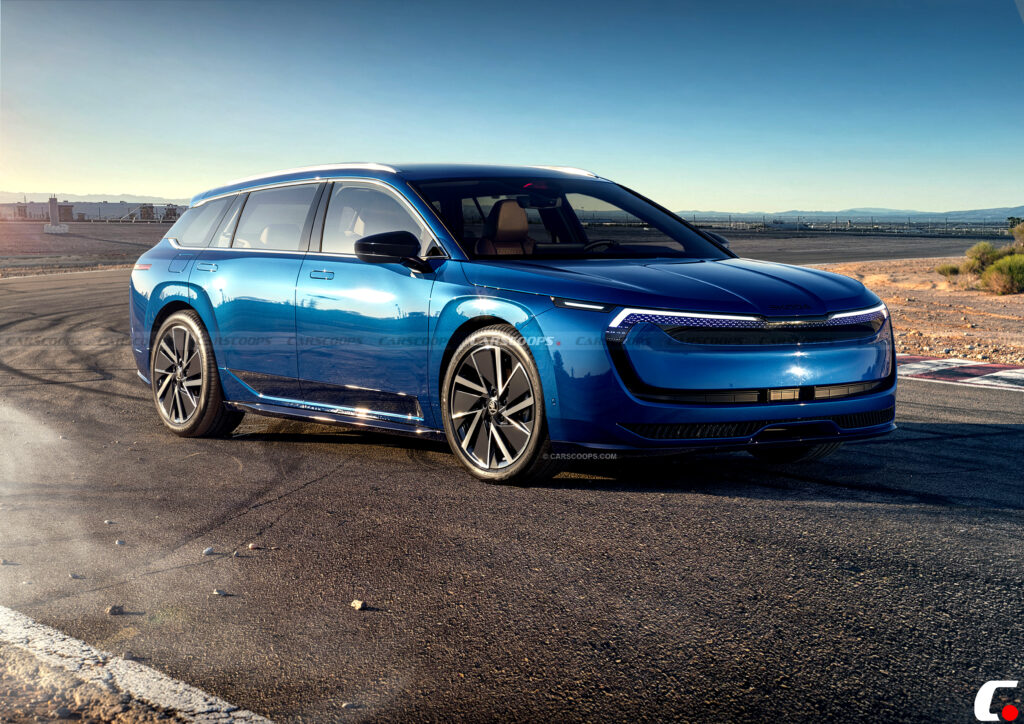
Interestingly, the new model may offer both fully electric and extended-range hybrid (EREV) versions. It will be based on the Volkswagen Group’s new scalable systems platform (SSP), marking the biggest transition for the Octavia model line in its history.
The 800-volt architecture will allow for fully electric versions with one or two motors, ranging from 200 hp to over 400 hp in future vRS models. The battery capacity is expected to be 80-100 kWh, with a WLTP range exceeding 700 km.
Like other hybrids, the EREV setup will use a small gasoline engine as a generator to charge the battery, which in turn powers the electric motors. The combined range could reach 1000 km.
Competitors and Launch
The new Octavia will compete with models such as the Volkswagen ID.7 Tourer, Peugeot E-308 SW, Opel Astra Sports Tourer, BYD Seal 06 DM-i, NIO ET5, and Mazda 6e. This field of rivals consists of both long-standing market models and new electric “Chinese” entrants.
Skoda is expected to unveil the fifth-generation production car at the end of next year or early 2028. Traditionally, the Combi estate version will arrive first, followed by the hatchback.
Share your thoughts on the new Skoda design in the comments below.
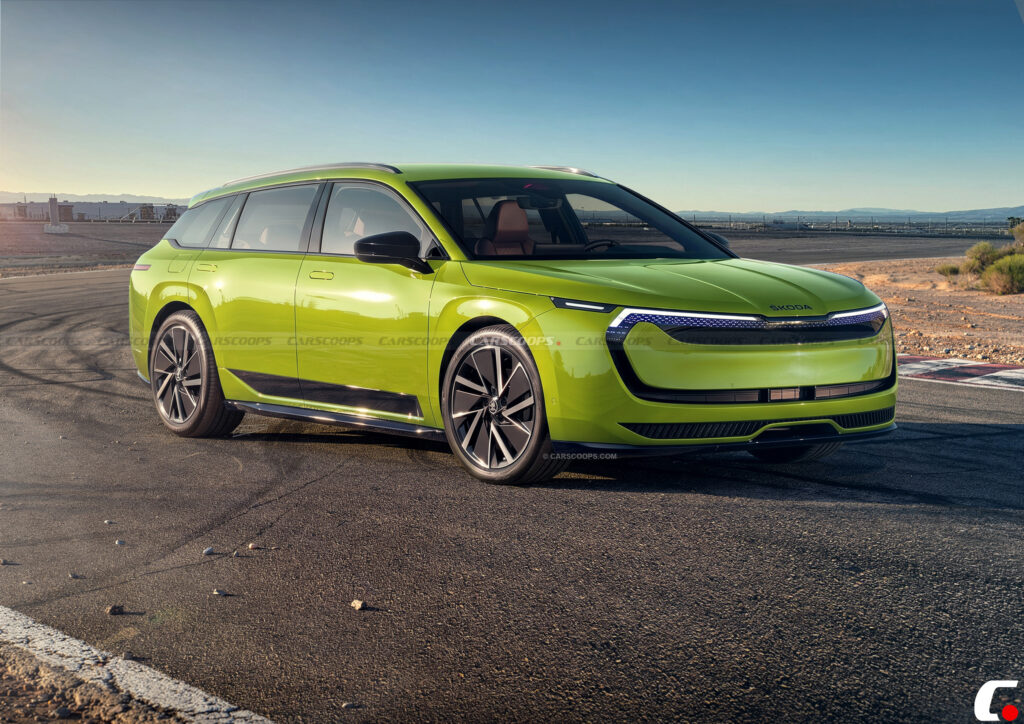
Thus, Skoda is preparing a true revolution for its most popular model. The transition to the new SSP platform and the abandonment of traditional internal combustion engines in favor of electric and hybrid powertrains is a logical step within the electrification strategy of the entire VW Group. At the same time, retaining physical buttons and emphasizing practicality show that Skoda does not intend to completely copy the minimalist approach of some competitors but seeks to find a balance between innovation and user convenience. This makes the new Octavia an extremely interesting offering in a rapidly changing segment, where traditional values are combined with the demands of modernity.