 by
by Audi faces threat from Trump’s new tariffs
Audi has a serious problem, and it is not a small one. The proposed increase in import tariffs in the US could hit this brand harder than most of its German competitors, and the timing couldn’t be worse.
President Donald Trump is pushing to raise tariffs on European cars from 15% to 25%. If this happens, Audi will feel it immediately, as the company does not manufacture any vehicles in the United States. Unlike BMW and Mercedes, which have factories on American soil, Audi relies entirely on imports for its American customers.
Related: Audi lost nearly a third of its sales in America
It is this vulnerability that is causing concern among executives such as Audi’s Chief Financial Officer, Jürgen Rittersberger.
“We are still assessing the potential impact, but it is clear that this would be a significant burden on our operations,” he said in comments published by Bloomberg.
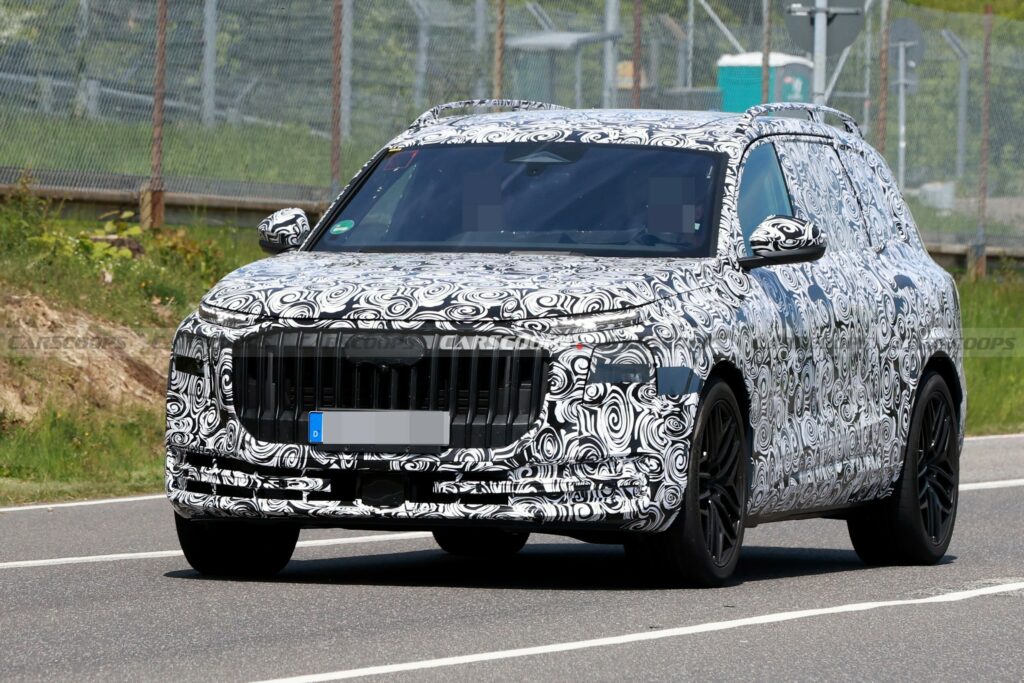
New flagship crossover Q9 under threat
The problem becomes even more pressing when looking at Audi’s product plans. The brand is preparing to launch its largest and most luxurious SUV — the Q9, aimed at affluent American buyers. The problem is that it is produced in Slovakia, and therefore would be directly affected by any tariff increase.
Audi has talked about establishing production in the US for years, but nothing has materialized. Now this indecision is taking its toll. Rittersberger acknowledged that the company is exploring possibilities together with its parent company Volkswagen, which has a factory in the US, but added that without government incentives or tariff reductions, local production would be challenging.
Sales are falling, workers are being laid off
The situation is not rosy. Audi is already cutting costs and plans to reduce its German workforce by 7,500 people over the next three years. Even before the latest tariff announcement, the company was facing weaker demand in key markets such as China and North America, putting pressure on margins. Sales in the US fell by a third in the first quarter of this year.
Trump has a habit of making big threats and then backing down, so it is possible that the 25% tariffs will not be imposed at all. But Audi faces a tense period, and if tariffs do increase, the company may have to reconsider its entire US strategy much faster than planned.
And it is not the only luxury brand from the VW group that could be seriously affected by the tariff increase. Sister company Porsche also has no manufacturing base in the US and could suffer significant losses due to additional customs costs.
The situation surrounding Audi demonstrates how vulnerable even large automakers can be if their production chains are not adapted to local markets. The lack of its own factory in the US, which may have once seemed secondary, is now becoming a critical factor. If the tariffs are indeed raised, it could lead not only to higher prices for Audi cars for Americans but also to a radical shift in the company’s strategy, including an accelerated search for assembly sites in the US. At the same time, if Trump abandons his plans, it will give Audi precious time but will not solve the fundamental problem of import dependence.