 by
by New Hybrid Powertrain from Horse Powertrain
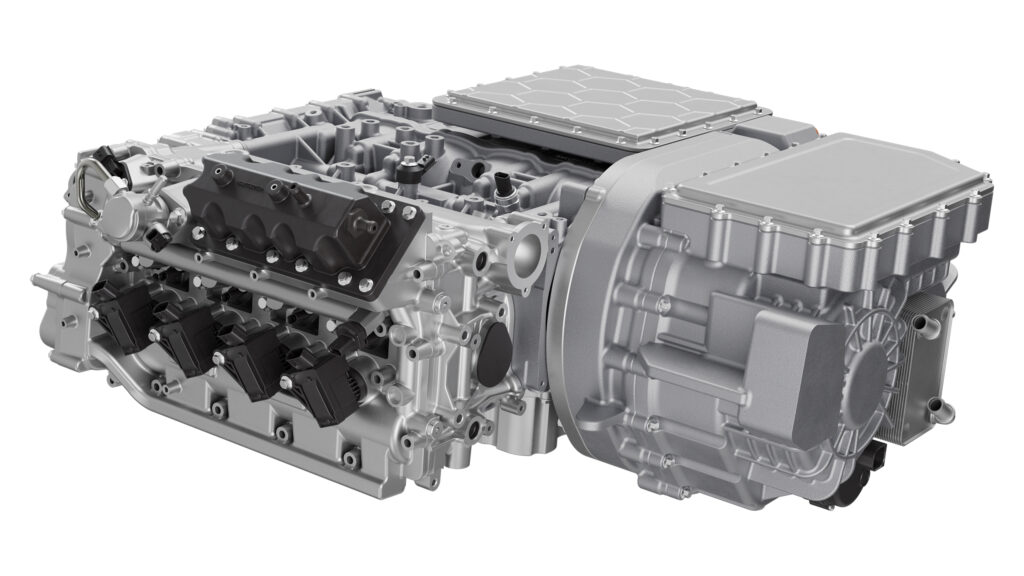
The joint venture between Renault and Geely, Horse Powertrain, has developed a new hybrid powertrain called the X-Range C15 Direct Drive. The goal is to extend the life of the internal combustion engine. This system combines a four-cylinder engine, transmission, electric motor, and power electronics in a single compact housing.
Versatility of Application
The development is intended for use in traditional hybrids, plug-in hybrids, and range-extender vehicles. The system is designed to be mounted on the vehicle’s rear subframe. This allows it to replace the rear electric motors in many modern electric vehicles, giving them the benefits of hybrid propulsion.
Technical Specifications and Variants
The base engine is naturally aspirated and develops up to 94 hp (70 kW). A turbocharged variant with 161 hp (120 kW) is also available, which is better suited for D-segment cars and light commercial vehicles. The engine can operate as a generator in series and parallel modes, and the electric motor provides additional power.
“The X-Range powertrain family reflects today’s market realities, allowing automakers to quickly and massively transition from electric vehicle platforms to hybrids and range-extender vehicles,” said Horse CEO Mathias Giannini.
Integration with Existing Platforms
A key advantage of the system is the possibility of easy and quick adaptation to existing battery electric vehicle platforms. This is an ideal solution for manufacturers who want to diversify their lineup by adding hybrid models without significant changes in design or equipment, significantly reducing time to market.
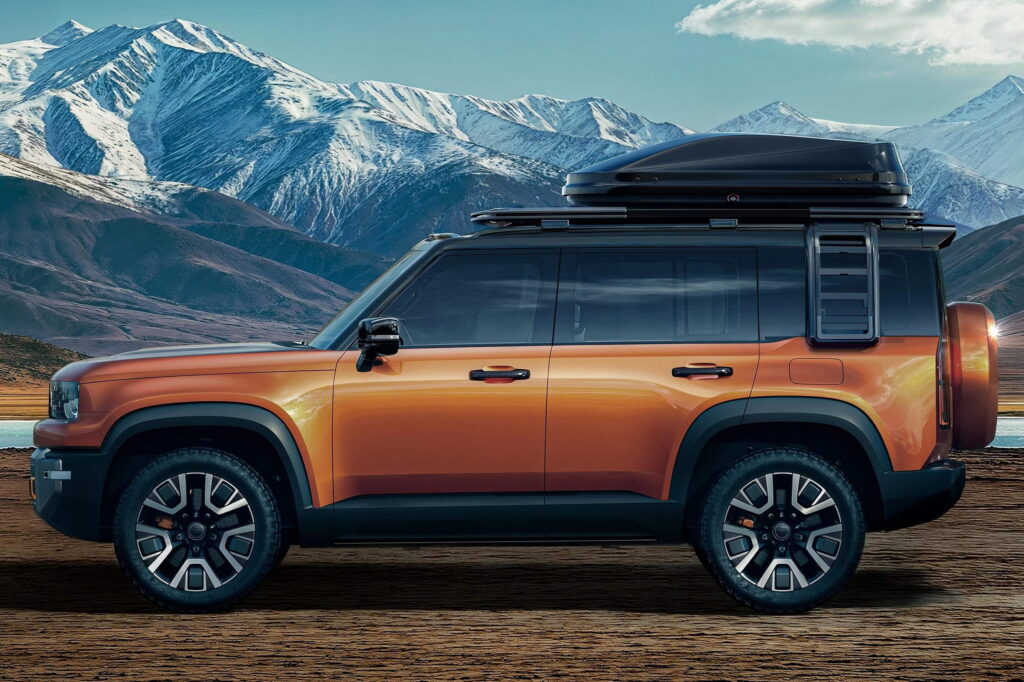
The development of technologies such as the X-Range C15 indicates a shift in focus in the global automotive industry. Instead of a complete and rapid transition to electric vehicles, many manufacturers are seeking more flexible and cost-effective paths, such as hybridization. This allows them to respond to diverse consumer needs in different regions of the world, where electric vehicle infrastructure may not yet be sufficiently developed, and demand for internal combustion engine vehicles remains high. Such developments can become an intermediate link that combines the advantages of both worlds, extending the life of traditional technologies in a new, more efficient form.