 by
by Problems with an electric vehicle and the ‘lemon’ law
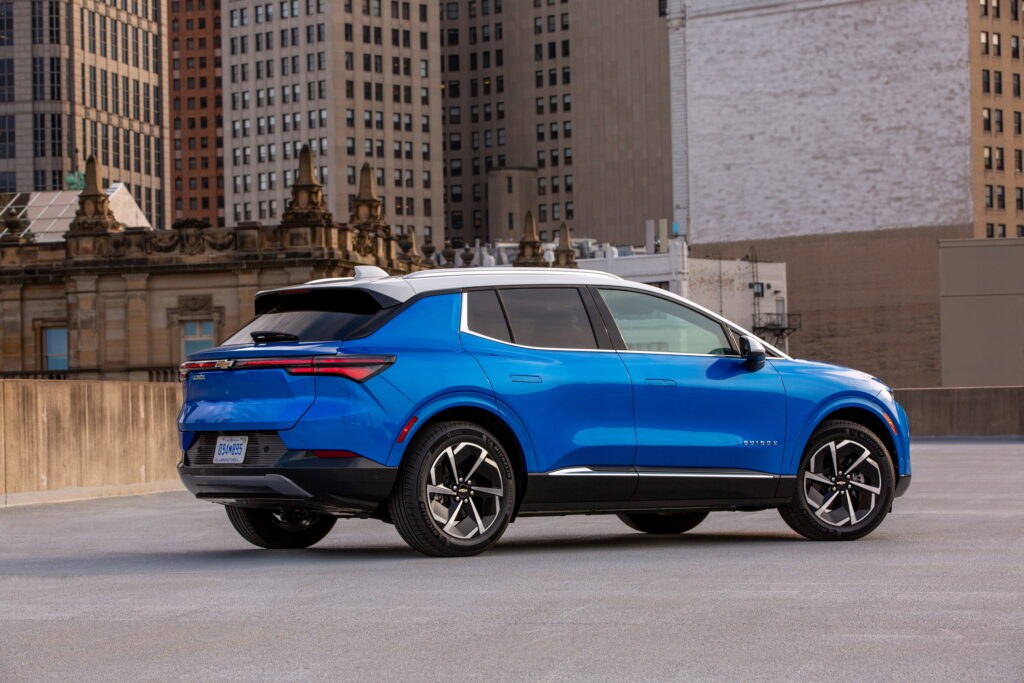
The story of a Quebec resident who faced numerous malfunctions with her new electric vehicle has called into question the effectiveness of Canada’s first law aimed at protecting buyers from defective cars. In December 2024, Natalie Rechine purchased a new Chevrolet Equinox EV, but since then, her car has spent almost as much time at the service center as on the road.
Problems began when the battery refused to charge a few days after purchase. It took dealers several weeks to diagnose the fault and replace the car’s computer module. During the 16 months after purchasing the vehicle, Rechine experienced frustration, fatigue, and was forced to constantly travel to the dealer.
Chronicle of malfunctions and legislation
In an interview with CTV News, Rechine said problems started on the third day when the battery wouldn’t charge. A few months later, the sensors began to malfunction, with no solution provided. Then the most serious incident occurred: the car stopped on its own while traveling at 100 km/h on the highway. Although it ended without incident this time, the next day Rechine was involved in an accident which she attributes to a sensor failure that failed to detect another car.
Other problems included: a month-long wait for parts after the accident, two unresolved complaints to GM, loss of internet connectivity, malfunctioning windshield wipers, and a false message about the charging port cover being open when it was closed.
Rechine would have liked to cancel the purchase agreement early, but according to her, this is difficult to do even under Quebec’s new Consumer Protection Act. She was told that if she cancelled, she would lose the rebate. This law, the first of its kind in Canada, was passed in late 2023 to provide buyers with legal recourse if their vehicle turns out to be a ‘lemon’ — regardless of the engine type. It applies to new vehicles purchased or leased with less than three years or 60,000 kilometers of use.
Limitations of the law and legal costs
The law deems a vehicle a ‘lemon’ if a defect has not been repaired after three attempts, or if the vehicle has had 12 attempts to fix unrelated problems, or if it has been in the shop for 30 days or more, excluding periods when parts were unavailable or on order.
Rechine’s car met the criterion for unrelated problems, but that didn’t mean she had won her case. According to George Iny, president of the Automobile Protection Association, automakers and dealers have lawyers to defend themselves in court, while owners do not. “The buyer is effectively left on their own,” said Iny, which can undermine the law. Iny added that legal costs can range from $15,000 to $50,000 depending on the lawyer and the complexity of the case.
“The buyer is effectively left on their own”
Resolution of the case and broader context
The law’s limitations on mileage and time are not always sufficient to help owners. With the increasing number of electric vehicles on the road and the prevalence of typical repairs, some experts consider the limitations too strict. A 2024 Consumer Reports survey also showed that electric vehicles have on average 42% more problems than gasoline vehicles, based on reliability data for the 2022, 2023, and 2024 model years, further highlighting the need for better protection.
In Rechine’s case, GM eventually offered to buy back her car, and she used the $51,000 to purchase a new Cadillac Lyriq, but only after contacting the media. “I honestly think I would probably still be going through it,” she said, “because they only decided to wake up when they realized I was serious.”
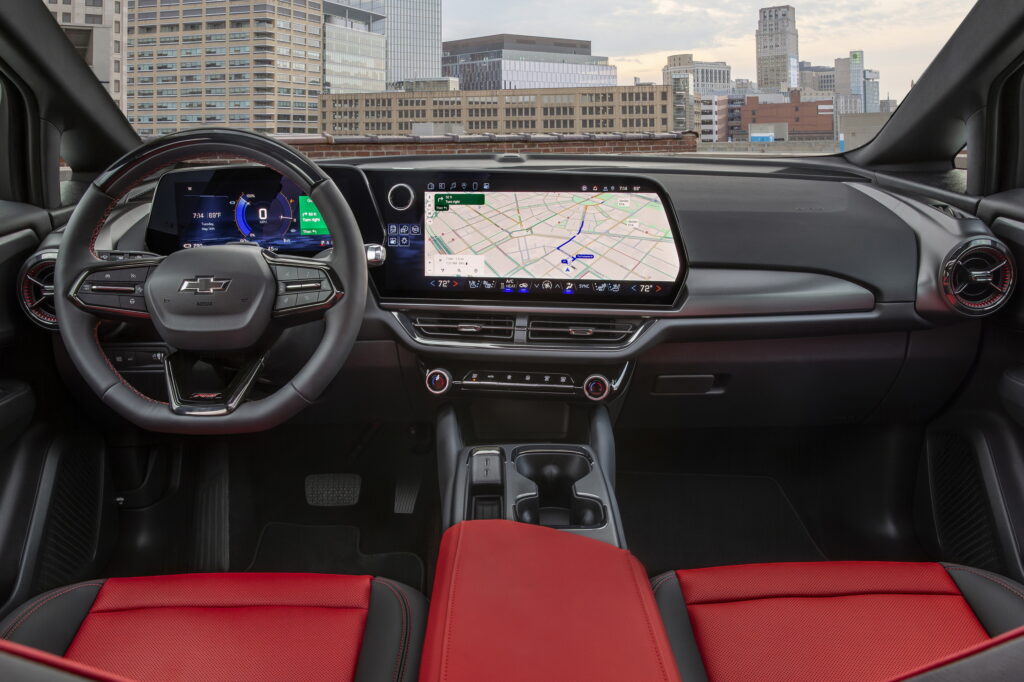
Although Quebec’s ‘lemon’ law is an important step forward for consumer protection, this story shows that in practice it can be difficult to access due to high legal costs and procedural complexity. The fact that the manufacturer agreed to the buyback only after media intervention suggests that for many owners without access to the press, the path to justice can be much longer and more expensive. The growing number of electric vehicles, which studies show have more problems than traditional cars, makes the issue of improving such legislation and lowering the barriers to its use particularly relevant.