 by
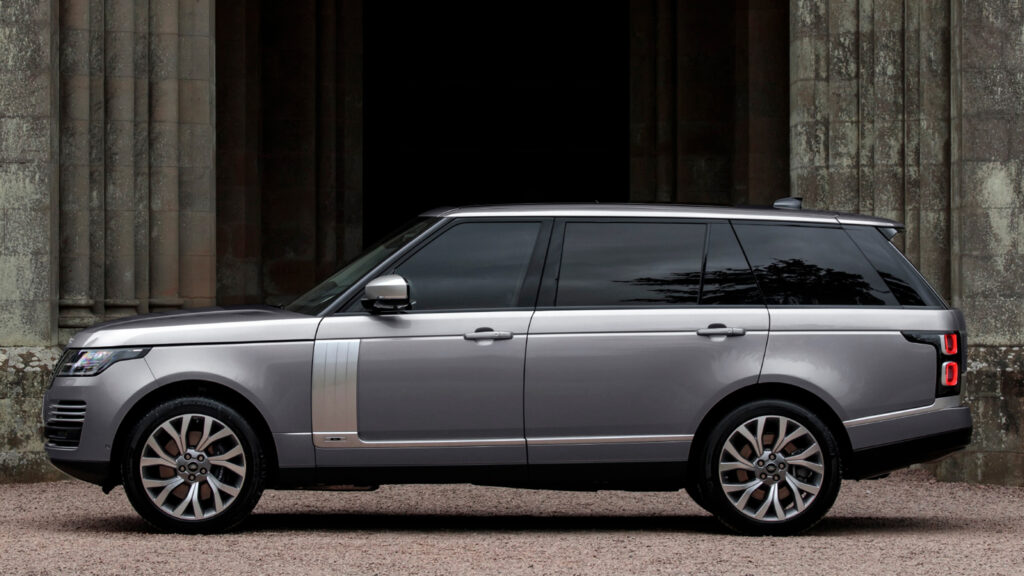
by Federal investigators have intensified their probe into over 330,000 Range Rover SUVs over concerns that the upper suspension control arm could completely detach from the steering knuckle. The investigation is being conducted by the National Highway Traffic Safety Administration (NHTSA).
From Preliminary Evaluation to Engineering Analysis
What began last year as a preliminary evaluation has now moved to the engineering analysis stage. The case was initially based on a dozen reports from vehicle owners describing the same type of failure: a crack forming in the upper part of the aluminum front steering knuckle, which could allow the upper control arm to detach from the vehicle.
The Office of Defects Investigation (ODI) has received additional data from Jaguar Land Rover and is aware of at least 522 failure cases documented by the company. A total of 331,559 vehicles are under scrutiny in the US, including the 2014-2022 Range Rover Sport and 2014-2022 Range Rover models.
A Large-Scale Problem
Jaguar Land Rover did announce a recall for this issue on August 5, 2025, but it only applied to 2015-2017 model year Range Rover and Range Rover Sport vehicles. Under the recall, JLR stated that dealers would replace cracked knuckles with new ones, and knuckles without visible cracks would be reinforced with a special bracket to prevent the control arm from detaching if a crack forms.
Despite this recall, NHTSA reports that it continues to receive complaints from owners about failures, two of which likely occurred on 2020 and 2021 models. This suggests the problem is more widespread than the recall initiated by JLR last year anticipated.
If the investigation determines that the steering knuckle problem affects more vehicles than those covered by JLR’s recall, the company could be forced to conduct an even larger recall. It is also possible that the manufacturer will voluntarily initiate a new recall.
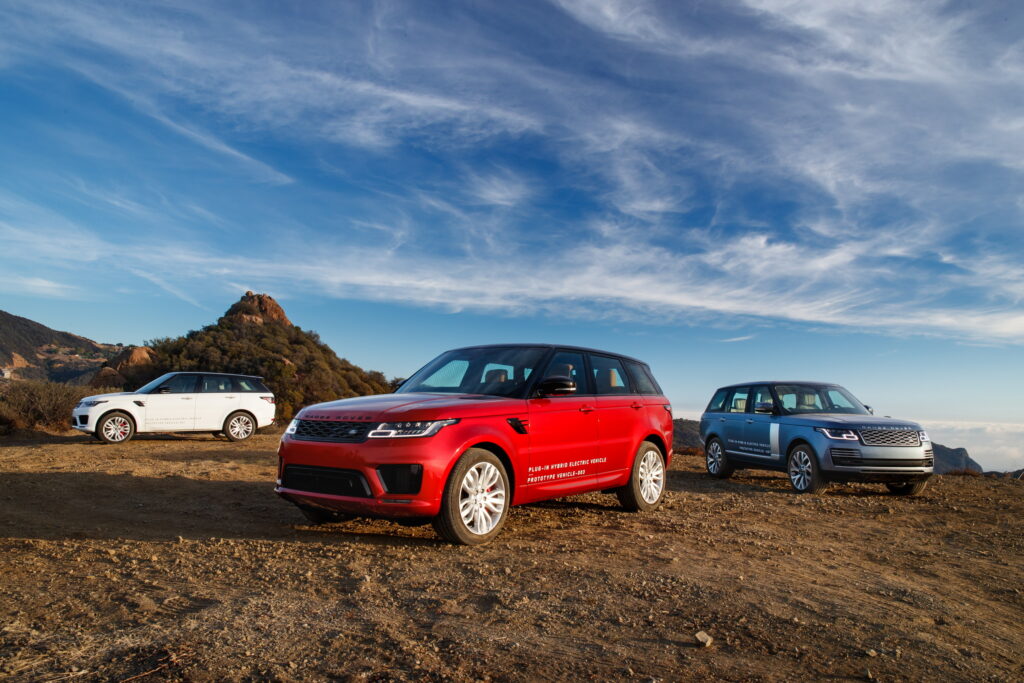
This situation highlights how serious a problem that initially seemed localized can become. Although JLR has already taken steps to fix the defect on older models, new complaints about later model year vehicles suggest the root cause may not have been fully addressed. For owners, this means potential uncertainty, especially for those who own 2018-2022 models that are not yet covered by an official recall. Further NHTSA action could lead to a significant expansion of the repair campaign, posing a serious test for the reputation of a brand that is already going through difficult times.