 by
by A study by the Swedish online car marketplace Carla showed that modern electric vehicles demonstrate significantly better battery longevity than buyers feared a few years ago. The analysis covered nearly 10,000 battery tests of EVs sold in Sweden between 2022 and 2026. Measurements were taken using the AVILOO diagnostic tool, which determines the actual state of health of the battery, rather than relying on the vehicle’s onboard estimates, which can sometimes be overly optimistic.
Leaders of the Rating: Korean Triumph
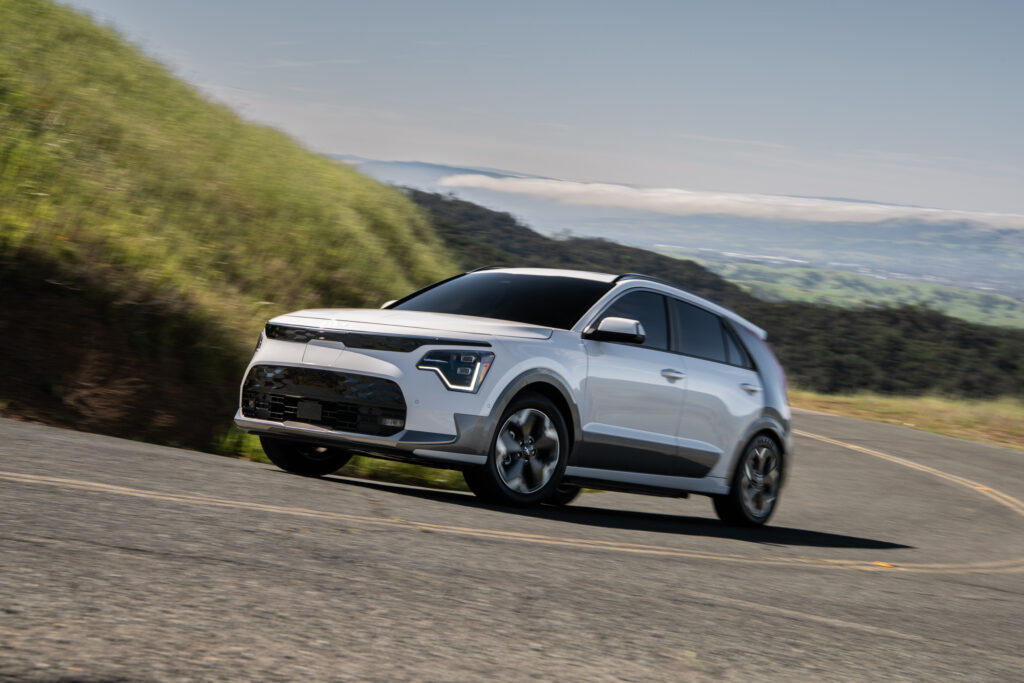
First place went to the Kia e-Niro, which retained an impressive 97.25% of its original capacity after 100,000 km of mileage. Its 64-kilowatt battery is also used in the Hyundai Kona, which came in a close second with a result of 97.18%. Third place also remained with Hyundai Motor Group thanks to the Kia EV6 with a 77.4 kWh battery, which retained 95.95% of its capacity.
European and American Representatives
The best European EV was the Volvo XC40 Recharge with a CATL battery of 69 kWh, which retained 94.70% capacity. Slightly lower was the Polestar 2 with the same battery supplier (94.35%). The BMW i3 and a version of the Polestar 2 with LG Chem batteries showed results of 93.77% and 93.53%, respectively.
Tesla’s Positions
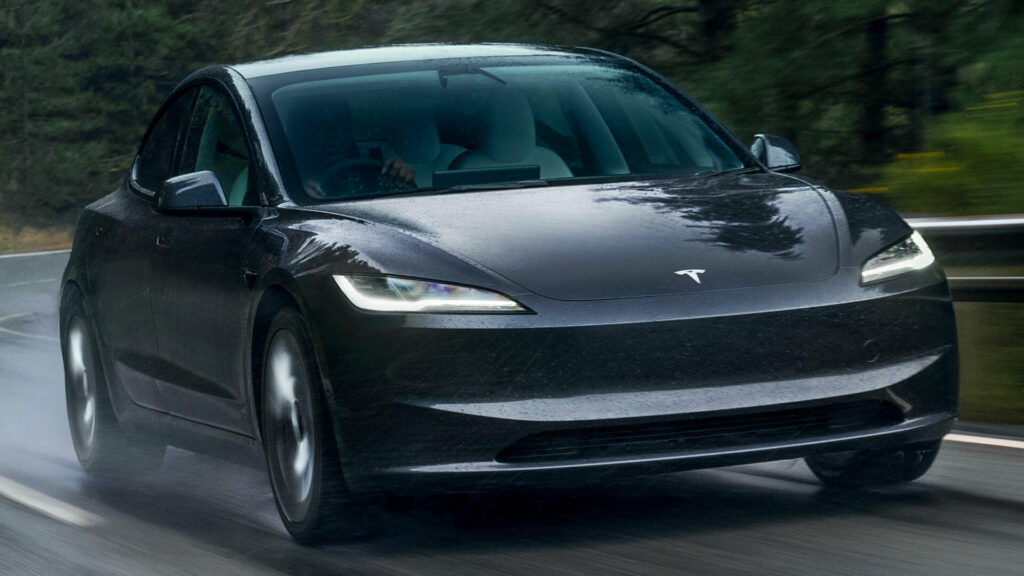
The best result among Tesla models was demonstrated by the Model 3 with an LFP battery from CATL at 60.5 kWh, which retained 93.34% of its capacity. This turned out to be slightly better than the version of the Model 3 with an NMC battery from LG Chem, which showed 91.5%.
Among other EVs that made it into the top 20, it is worth noting the Audi e-tron 50 and 55 (93.02% and 92.93%), Skoda Enyaq iV (92.88%), Tesla Model S (92.80%), VW ID.4 (92.77%), and Tesla Model X (92.52%).
Overall Conclusion of the Study
The main takeaway from this study is that old fears about rapid degradation of EV batteries are no longer relevant. Every vehicle in this rating retained over 90% of its capacity after 100,000 km of mileage. For most owners, reaching such mileage takes three to four years, meaning the battery will most likely outlast the car itself.
Interestingly, the study results confirm the advantage of LFP-type batteries (lithium-iron-phosphate) in the long term, as the Tesla Model 3 version with this type of battery showed a better result than the similar model with an NMC battery. At the same time, Korean manufacturers demonstrated the best performance thanks to their own battery production technologies, which may indicate their significant progress in this field.
It is worth noting that the study is based on data from Sweden, where climatic conditions can affect battery performance differently than in warmer regions. However, the overall trend towards significant improvement in battery longevity is obvious, making EVs even more attractive for long-term use. Battery production technologies continue to improve, and it is expected that new models will show even better results in the future.