 by
by Tesla is no stranger to recalls, but the company can often fix a problem with a software update. This time may be different if NHTSA decides a new recall is needed. The federal agency is checking whether Tesla’s previous recalls were broad enough. If not, the fix could affect nearly 1.2 million vehicles with potentially faulty steering and suspension components.
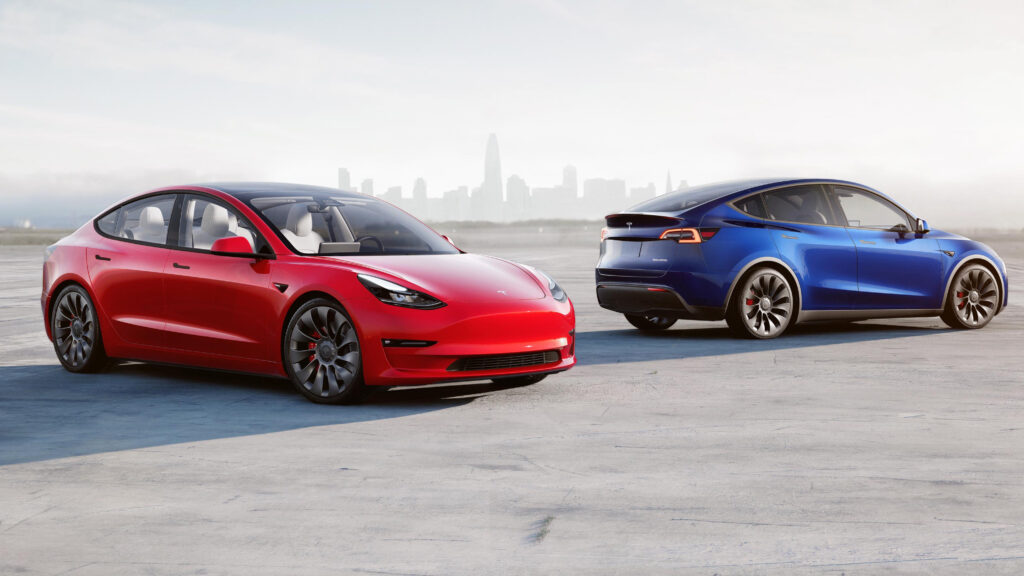
The investigation began after more than 150 complaints were received that the front suspension could fail, leaving drivers without full control of the direction of travel. It covers certain 2018-2020 Model 3 and 2021-2023 Model Y vehicles. It is one of the largest defect investigations the automaker is currently facing. Tesla has already recalled similar vehicles before, but investigators believe these new reports point to a different problem.
A Warning May Not Appear
For now, this is not yet a full recall. The Office of Defects Investigation notes that many owners did not receive any warning before suspension failure. Some heard squeaks or other sounds, but overall the cars did not show any visual signals. After the problem occurred, many vehicles became undriveable and had to be towed.
One complaint included in the investigation is a striking example of the problems drivers are reporting. A Florida owner of a 2021 Tesla Model Y (complaint No. 11744359 to NHTSA) said the SUV suffered a “complete failure” of the front lower lateral links, bushings, and upper suspension arms at just 46,837 km of mileage.
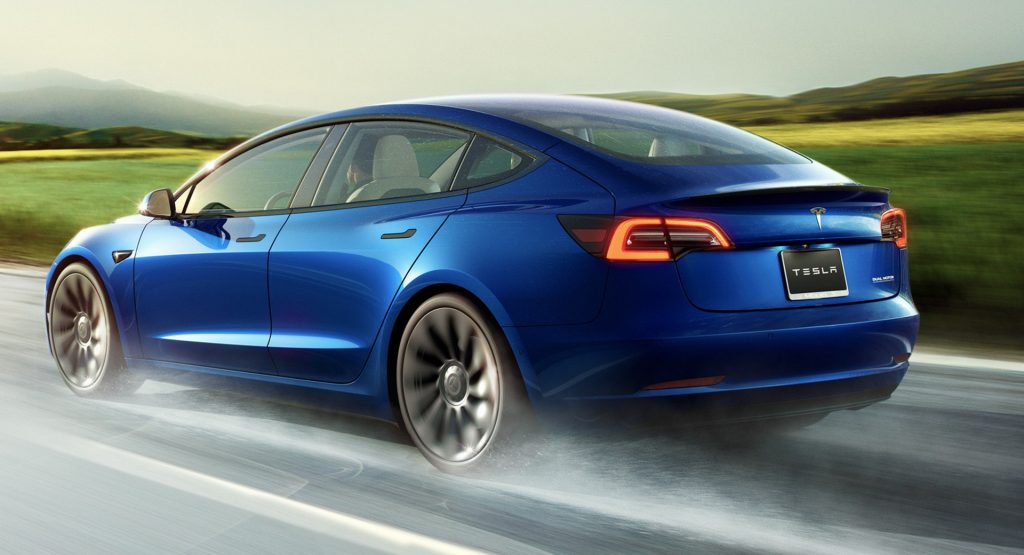
According to the complaint, there were no warning lights or messages before the failure, only a squeaking noise when turning, especially in reverse. The owner also claimed the problem was very similar to a previous Tesla recall, but their VIN was not included in the list, so they had to pay for repairs themselves.
Previous Recalls
Tesla has previously addressed front suspension issues through two separate recalls. Recall 21V-835 covered 2,791 Model 3 vehicles from 2019-2021 due to a manufacturing defect, and recall 23V-235 involved 422 Model 3 vehicles from 2018-2019 that had similar problems.
However, investigators note that the complaints underlying this investigation go beyond those recalls and “do not appear to be related to the manufacturing issue” that caused them. Depending on what NHTSA finds, this could lead to nothing or, conversely, become one of the largest recalls in Tesla’s history.
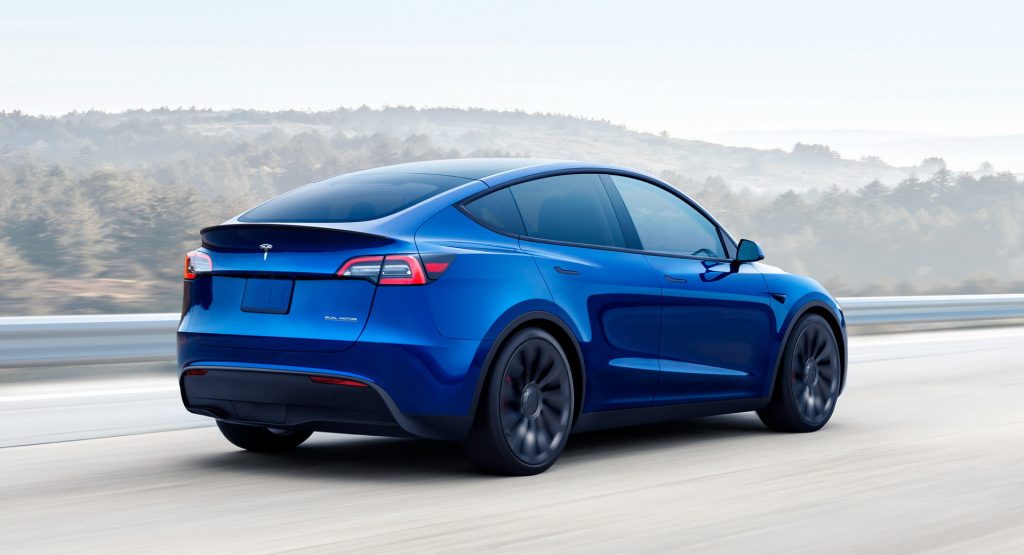
This investigation is another reminder that even the most advanced electric vehicles can have traditional mechanical problems. Tesla often relies on software updates to fix shortcomings, but here we are talking about physical components that need replacement. If a large-scale recall is approved, it will be a serious test for the company, especially amid growing competition in the electric vehicle market. Owners of Model 3 and Model Y vehicles covered by the investigation should carefully watch for any unusual suspension noises, especially when turning, and not delay visiting a service center.