 by
by Rising fuel prices and inconvenient advice from a Chevron top manager
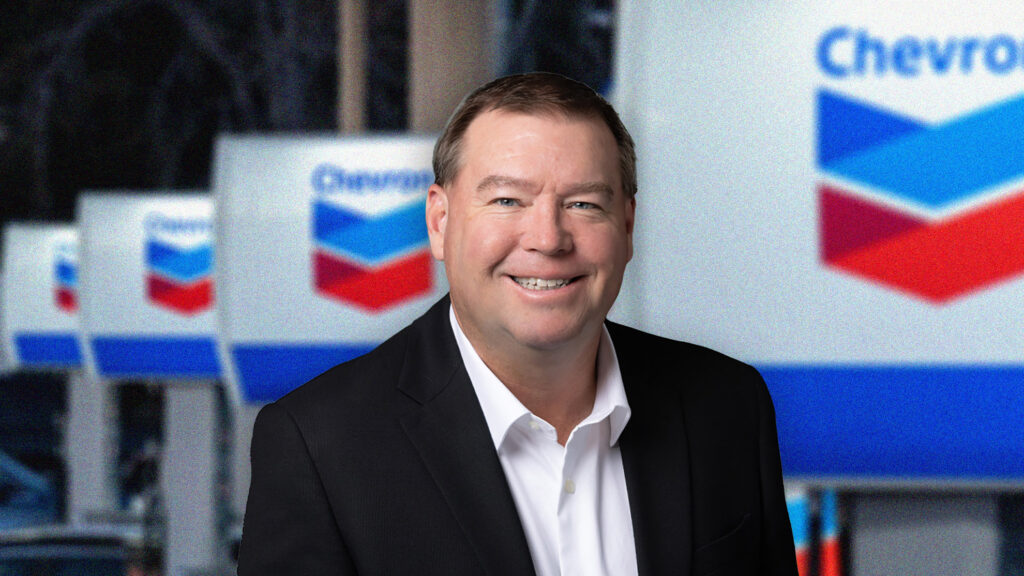
Americans are once again facing high gasoline prices at gas stations, and one of Chevron’s executives believes he knows the solution to this problem. Andy Walz, President of Chevron for Refining, Transportation, and Chemicals, stated in an interview with CBS News that Americans should “try to drive less” and save energy while oil prices remain at record highs due to the conflict in Iran. This advice may seem reasonable, but coming from a top manager of a major energy company, it sounds detached from reality.
Walz is not an ordinary employee wondering if he’ll have enough money to fill up his crossover before work. He is one of the top executives of one of the world’s largest oil companies, and his annual income likely exceeds the amount many Americans will earn in a lifetime.
When he tells people to simply drive less, it is perceived not as practical advice, but as when a millionaire advises families to skip a few meals when groceries become too expensive.
The main problem is that Walz’s comments seem to assume that Americans drive cars for no particular reason. In reality, data shows that most people drive because they have no other choice.
How many kilometers per year are optional?
According to US Census Bureau data, approximately 77% of Americans drive to work by car, and only 3% use public transportation. The average one-way commute takes about 26 minutes, and the average distance is approximately 33 kilometers. Multiplying this by a typical work year, it turns out that the average American drives about 15,800 kilometers just for commuting to and from work.
This is important because the average American drives about 21,700 kilometers per year. In other words, commuting accounts for about three-quarters of many people’s total annual mileage. If you add grocery shopping, taking children to school, doctor visits, and other errands to this, very few kilometers remain that could reasonably be called optional.
Recreational trips remain in the minority
While enthusiasts and drivers who enjoy weekend drives certainly exist, they are not the norm. A 2022 survey by the Federal Highway Administration showed that only a small fraction of trips are classified as social or recreational. The vast majority of trips are related to work, shopping, family obligations, and other essential needs.
In other words, most Americans are not sitting around thinking whether they should take the long way home in their Mustang or spend a Sunday driving on a winding road. They are trying to get to work, pick up the kids, stop by the grocery store, and get back home without another painful visit to the gas station.
Would it be great if most drivers enjoyed driving and did it for leisure? Certainly, the roads would probably be safer. But for now, in the reality we live in, Walz’s advice seems to apply only to enthusiasts, because the vast majority of Americans are not doing what he thinks might help.
This situation clearly points to structural problems in the US transportation system and urban planning, where personal cars are often the only real mobility option. Statements that do not consider this context can only widen the gap between big business and the everyday needs of ordinary citizens. Discussions about energy efficiency and alternative modes of transport require a more nuanced approach than simple calls to reduce activity.