 by
by Overall sales decline amid the electric boom
Sales of Mercedes-Benz battery electric vehicles (BEVs) have grown significantly this year, yet overall demand for the brand’s models has declined. This underscores a trend also currently observed by other automakers.
In the first half of the year, the entire Mercedes-Benz Group sold 1,011,500 vehicles, which is 6% less compared to the same period in 2025. First-quarter sales even grew by 2% to 511,900 units, so the decline occurred later. The situation is even worse in the Mercedes-Benz Cars division, which also includes the van department.
Mercedes-Benz Cars sales dynamics
Since the beginning of the year, Mercedes-Benz Cars sold 837,200 vehicles worldwide, which is 7% less. Second-quarter sales fell by 8% to 417,800 units compared to last year. A bright spot remains demand for electric vehicles, which shows stable growth, although the brand did not provide detailed sales data for each individual model.
Electric vehicles show strength
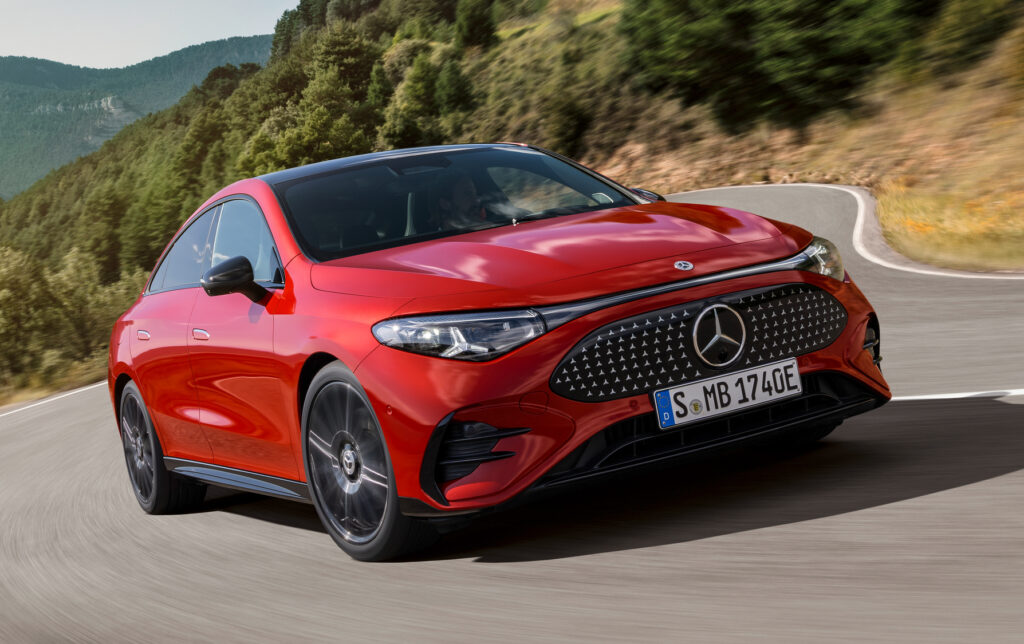
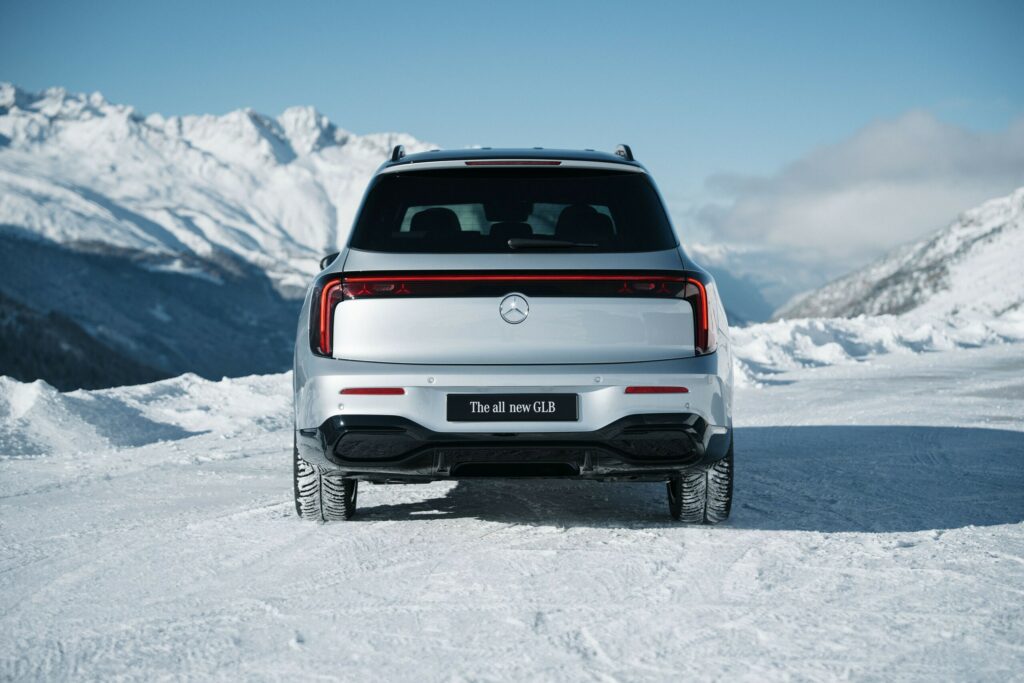
Overall, this year the brand sold 97,100 new electric vehicles, which is 28% more than in the same period last year. Demand was particularly high in the second quarter, growing by 51% to 52,900 units. Including sales from the Mercedes-Benz Vans division, total BEV sales since the beginning of the year reach 113,300 units, which is 30% more than last year. Mercedes cites the electric CLA, GLC, and GLB models as the main growth drivers, noting that high demand in Europe significantly contributed to the increase in EV deliveries.
Problems in other segments
While BEVs show good results, the rest of the company’s models are struggling. In the Top-End category, which includes Mercedes-AMG, Maybach, G-Class, S-Class, GLS, EQS, and EQS SUV, sales fell by 8% to 119,600 units. Sales of Core models (C-Class, E-Class, EQE, EQE SUV) decreased by 7% to 497,300, and Entry Level models (A-Class, B-Class, EQS, EQB) lost 5%, reaching 220,300 units.
Mercedes attributes part of the decline in the Top-End segment to planned model lineup changes and availability timelines, noting that G-Class deliveries actually grew by 3% during the quarter.
Regional breakdown: Asia drags down
The majority of the overall decline is attributed to Asia. In this region, total Mercedes-Benz Cars sales fell by 25% to 291,000 units in the first half of the year. In China, the situation is even worse: a 28% drop to 210,200 vehicles, with the second-quarter decline accelerating to 30% (98,600 units). However, Mercedes confirmed that several China-focused models, including the long-wheelbase electric GLC L SUV, will appear in this market in the second half of the year.
Sales in the “Rest of the World” category also fell by 11%. In contrast, sales in Europe grew by 5%, and in North America by 15%.
Mercedes-Benz sales table for 2026
| Category | Q2 2026 | % Change Q1 ’26 | % Change Q2 ’25 | YTD 2026 | % Change YTD ’25 |
| Mercedes-Benz Group | 511,900 | +2% | -6% | 1,011,500 | -6% |
| └ Of which BEV | 63,000 | +25% | +50% | 113,300 | +30% |
| Mercedes-Benz Cars | 417,800 | 0% | -8% | 837,200 | -7% |
| └ Of which BEV | 52,900 | +19% | +51% | 97,100 | +28% |
| Top-End | 58,100 | -6% | -10% | 119,600 | -8% |
| Core | 249,300 | 0% | -9% | 497,300 | -7% |
| Entry | 110,400 | +1% | -4% | 220,300 | -5% |
| Europe** | 166,400 | +5% | +4% | 325,000 | +5% |
| └ Germany | 56,000 | +13% | +6% | 105,300 | +7% |
| Asia | 138,300 | -9% | -27% | 291,000 | -25% |
| └ China | 98,600 | -12% | -30% | 210,200 | -28% |
| North America*** | 91,300 | +2% | +13% | 180,900 | +15% |
| └ USA | 81,900 | +1% | +10% | 163,000 | +15% |
| Rest of World | 21,700 | +16% | -10% | 40,300 | -11% |
This data indicates that Mercedes-Benz’s electrification strategy is bearing fruit, especially in the European and North American markets where demand for electric vehicles is growing. At the same time, the significant decline in Asia, particularly in China, points to heightened competition from local EV manufacturers and changing consumer preferences. The company is banking on new models adapted for the Chinese market, which could help stabilize the situation in the second half of the year. Overall, Mercedes-Benz finds itself in a situation where success in one segment (electric vehicles) does not compensate for losses in others, requiring the brand to be flexible and adapt quickly to global market changes.