 by
by China’s electric car market experiences a significant downturn
The rapid growth of electric car sales in China, which has been a major news topic in recent years, is beginning to show signs of slowing down. In the first quarter of this year, registrations of new electric cars fell by nearly 20%, prompting some manufacturers to worry about overcapacity.
Cancellation of subsidies hits demand
Sales data shows that electric car registrations in China fell to 1.2 million units in the first quarter, largely due to the expiration of a tax break on new purchases. The entry-level market segment, where subsidies previously covered up to a third of the car’s price, was hit the hardest.
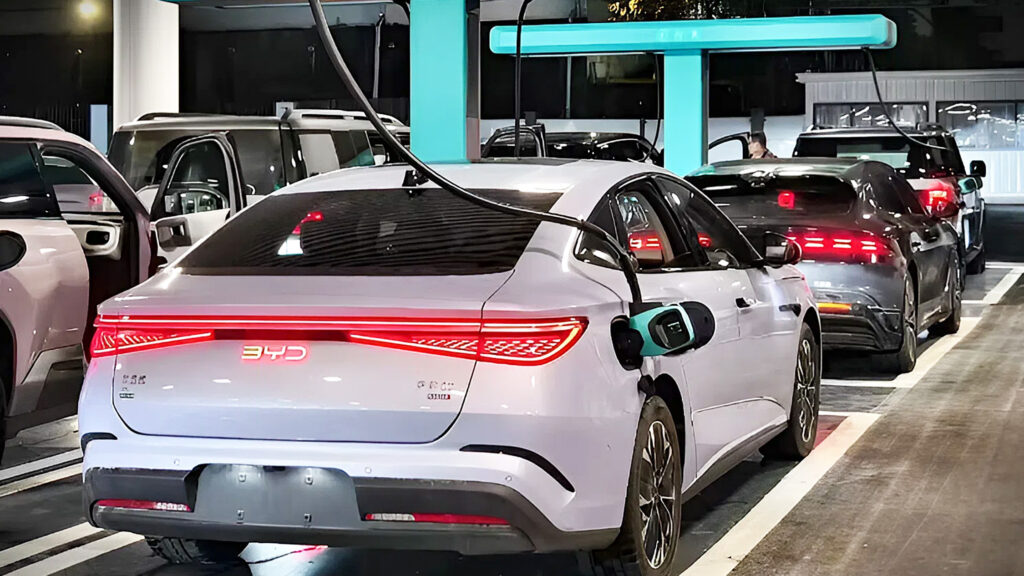
The situation has been particularly difficult for BYD, whose sales fell by nearly 40%. The company responded by ramping up exports, shipping over 300,000 cars abroad in the first quarter, 100,000 more than in the first quarter of 2025. This helps, but not enough — domestic losses still significantly outweigh overseas gains. Geely, for its part, nearly doubled its exports to 147,300 units.
According to Handelsblatt, the decline in domestic sales of electric cars could mean that BYD will not be able to fully utilize its production capacities, which have grown significantly in recent years in anticipation of further sales growth.
German brands fail to convince buyers
Of course, it’s not just Chinese brands like BYD that are struggling. The abolition of tax breaks for electric cars has also hit the market share of Volkswagen, Audi, BMW, Mercedes-Benz, and Porsche, which now stands at only 1.6%. This is the lowest figure in history: only 19,200 new electric cars from these brands were registered from January to March, a 55% drop compared to last year.
Volkswagen’s electric car sales fell by more than 72%, BMW’s by nearly 65%, and Mercedes-Benz’s by approximately 14%.
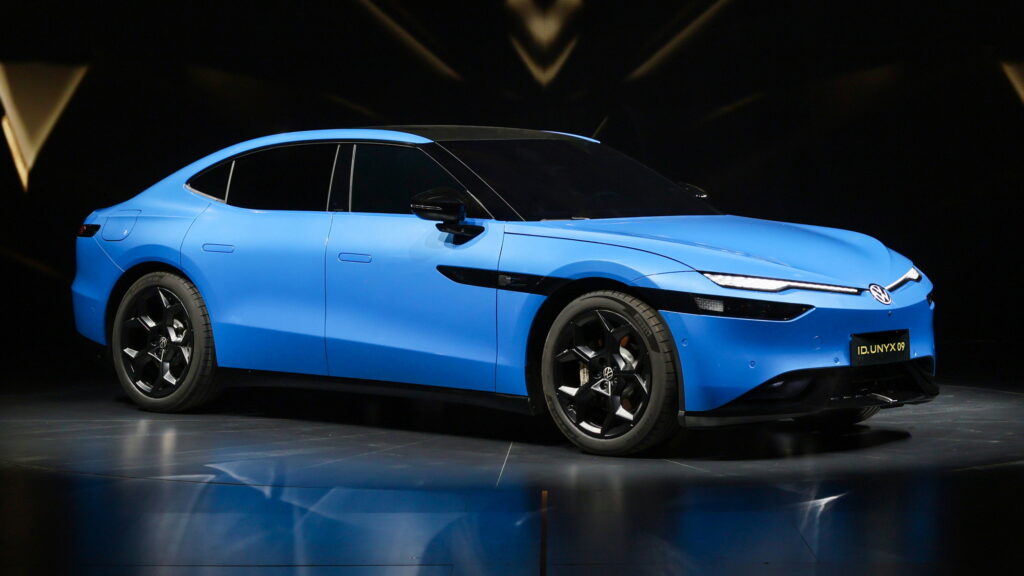
German brands are now strengthening ties with Chinese automakers in an attempt to stabilize their figures. For example, Audi launched its exclusively China-focused brand AUDI last year in partnership with SAIC and is already preparing a third fully electric model. Volkswagen has partnered with Xpeng and recently unveiled the ID. Aura T6 and ID. Unyx 09 at the Beijing Auto Show. Developing these cars locally has reduced costs by at least 40%, which largely explains this strategy.
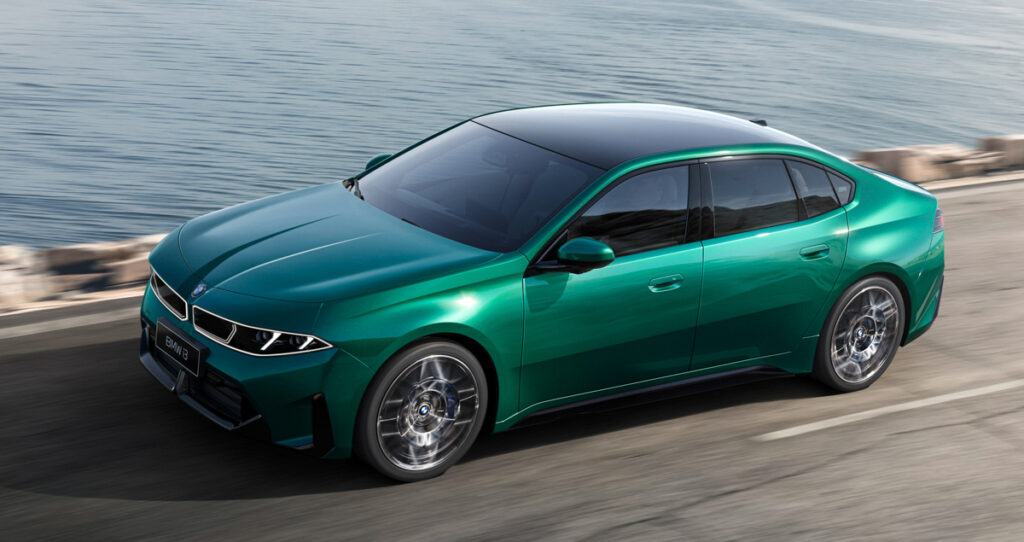
Mercedes-Benz and BMW are taking a slightly different approach. Mercedes will sell its fully electric GLC EQ and the new electric C-Class in China but will partner with a local company to produce models exclusively for this country. BMW, on the other hand, is acting independently with the new iX3 and i3, which will be sold in China with long-wheelbase versions.
Despite this, expectations remain cautious. Some analysts see little chance of a quick recovery. Bank of America analyst Horst Schneider told Handelsblatt that a sales recovery in the near future is “almost impossible.”
The situation in the Chinese electric car market demonstrates just how strong the dependence on government incentives can be. The cancellation of tax breaks has not only slowed overall growth but has also exposed the vulnerability of both local giants like BYD and foreign players. German automakers, who previously relied on their technological reputation, are now forced to adapt to new realities through local partnerships and cost reduction. This indicates that the Chinese market is becoming increasingly competitive and demands flexibility and a deep understanding of local conditions from all participants, rather than simply relying on past successes.