 by
by Honda’s sales in China fell from 1.62 million in 2020 to 640,000 last year. The joint venture with GAC has produced over 11 million vehicles since 1999. No new models are planned for GAC Honda in China this year.
Continuation of cooperation amid crisis
Like many other Western automakers, Honda has observed a sharp decline in sales in China in recent years. However, the Japanese company is not ready to give up and leave. Instead, it has announced an extension of its joint venture with Guangzhou Automobile Group (GAC) for 10 years. The agreement was set to expire in 2028, but the new term signals an intention to fight for a market that has become less favorable to the company.
Honda and GAC have jointly produced cars in China since 1999 and have sold over 11 million units to date. The extension will allow the joint venture to operate until 2038, when the automotive landscape is expected to be drastically different from today’s.
Scale of decline and challenges
No one would blame Honda if it decided to wind down operations. Back in 2020, the company sold 1.62 million cars in China through its joint ventures with GAC and Dongfeng. Last year, Honda’s total sales in the country fell to 640,000 units, of which 340,000 came from the joint venture with GAC and the rest from Dongfeng. Such is the scale of the hole Honda is now trying to climb out of.
Need for new models
In a statement to Nikkei Asia, a Honda representative said:
Although ensuring business continuity takes time, the automotive market in China is changing rapidly, and we made this decision to assess the business environment.
Of course, commitment to the joint venture alone does not guarantee Honda’s success in the country. While the overall market is undergoing a period of contraction, Chinese buyers are increasingly turning to local brands, many of which now produce world-class cars at more affordable prices.
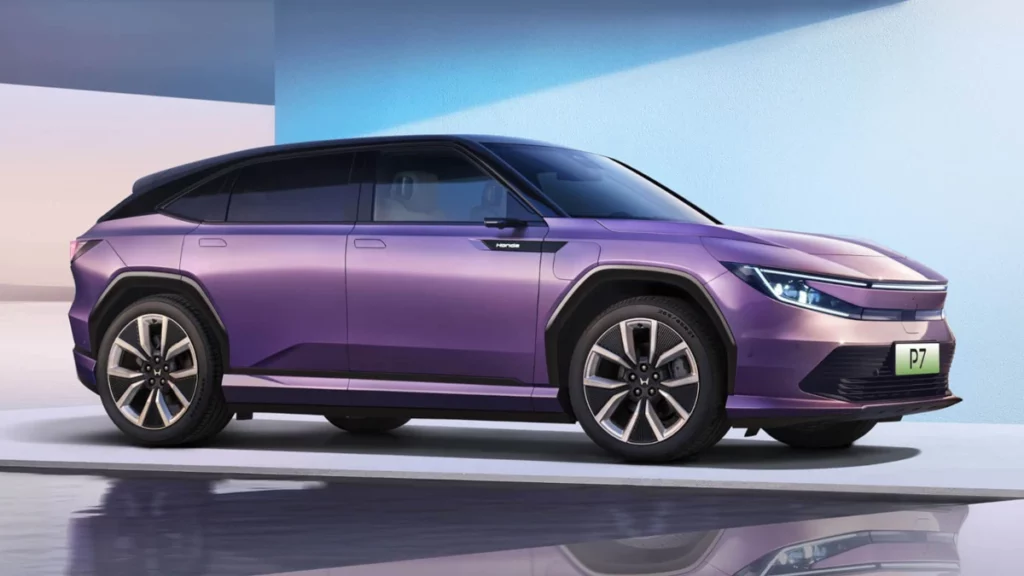
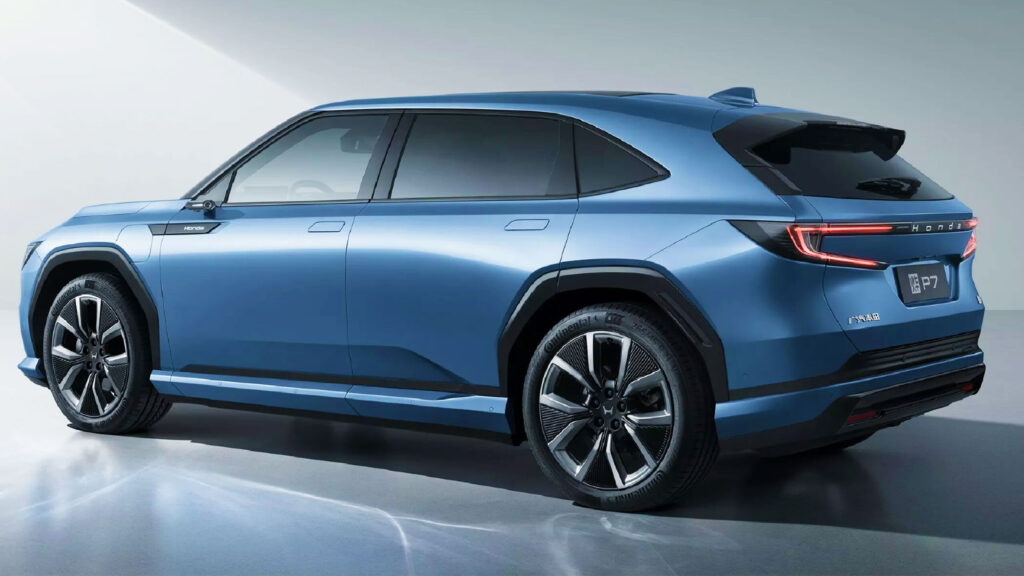
If Honda wants to succeed, it will need competitively priced cars with good technology. In 2024, the company launched its Ye series of electric vehicles in China, including the P7 produced through the joint venture with GAC and the S7 produced with Dongfeng. While they are far from any Honda cars sold in the West, none of them are particularly desirable in China, and this is precisely the problem the next generation of models must solve.
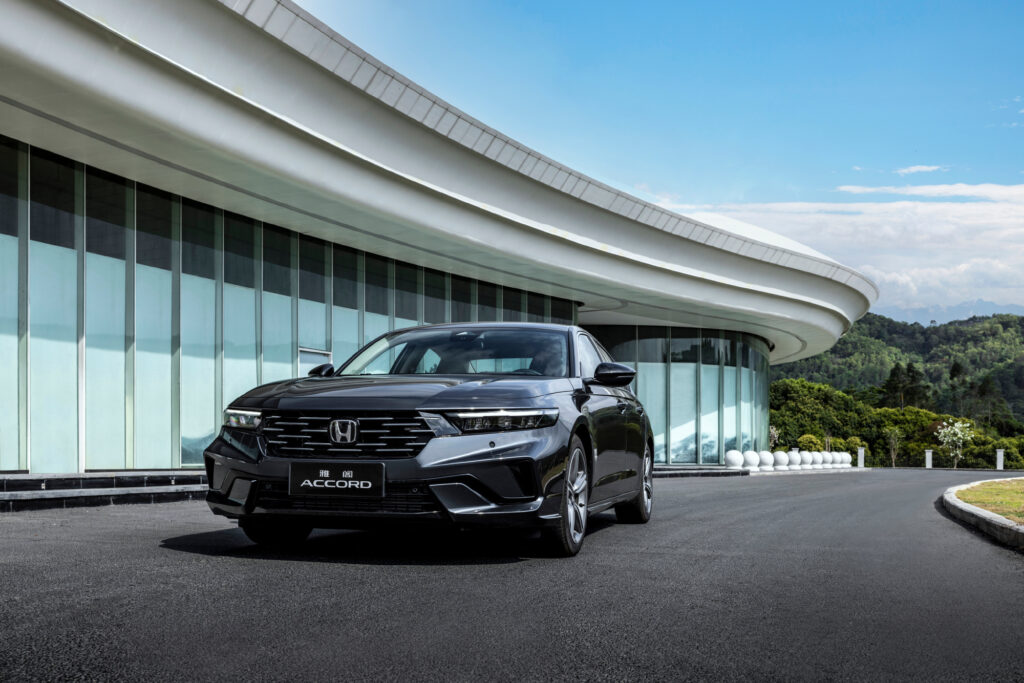
The 10-year extension of the partnership with GAC is a bold move that demonstrates Honda’s long-term strategy rather than a desire to exit the market quickly. However, given the rapid rise of Chinese brands such as BYD and their focus on electric vehicles, Honda will need not just to update its model lineup but to fundamentally rethink its offering. A 60% drop in sales over five years is not just a temporary crisis but a signal that old recipes for success no longer work. The key question remains whether Honda can offer Chinese consumers technology and design that will compete with local players, rather than simply relying on its past reputation.