
 by
by Record sales, but losses due to tariffs and geopolitics
Toyota has published its financial results for the past fiscal year, which paint a contradictory picture: consumers are buying cars at record rates, but global trade wars and geopolitical chaos are seriously impacting the company’s profits.
For fiscal year 2026, which ran from April 1 to March 31, Toyota Motor Corporation recorded record revenue of 50.68 trillion yen ($323.42 billion), up 5.5% from the previous year. However, operating profit fell by approximately 1 trillion yen ($6.4 billion) to 3.77 trillion yen ($24 billion).
Impact of US tariffs on business
The biggest issue was a hit of 1.38 trillion yen ($8.8 billion) due to US tariffs. This alone caused Toyota’s North American division to suffer a rare operating loss of 298.6 billion yen ($1.9 billion), despite regional vehicle sales growing by 8.5%. Selling more cars and losing money on them is not the formula Toyota wants to deal with.
To overcome these trade frictions, Toyota will begin exporting cars produced in the US to Japan later this year, including the Camry sedan, Highlander SUV, and Tundra pickup truck. This move is less about satisfying local demand and more of a strategic effort to balance trade relations with the US.
Success of electric vehicles and future forecasts
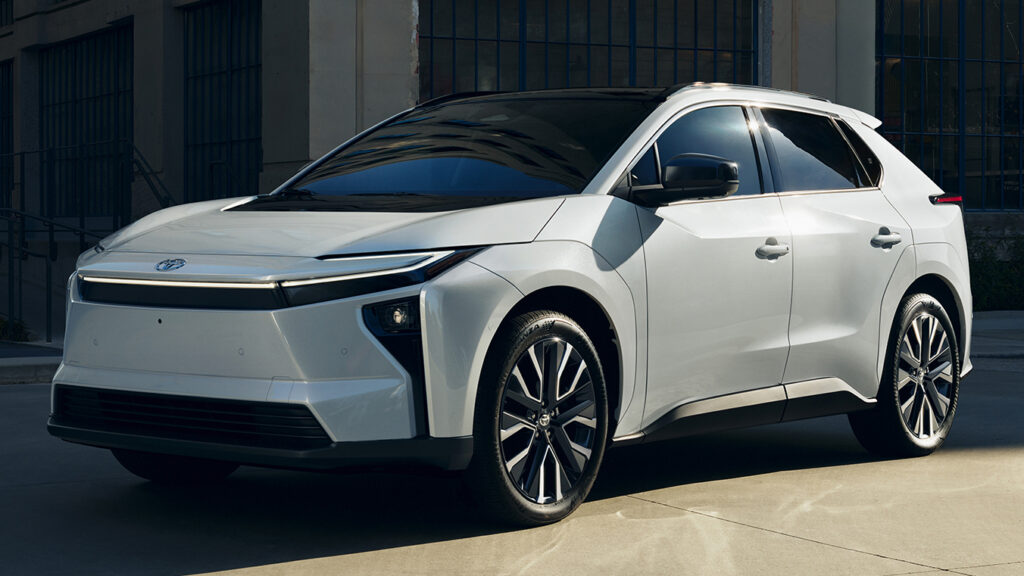
The 2026 results were quite positive for global sales of electrified vehicles, which reached 5.04 million units, accounting for 48.1% of the total (11.283 million). This includes 4.62 million hybrids (HEV), 175,000 plug-in hybrids (PHEV), and 243,000 battery electric vehicles (BEV), with the latter growing by 68.4% year-over-year. For fiscal year 2027, Toyota expects to more than double BEV sales to 598,000 units.
Cautious forecast for 2027
The overall forecast for fiscal year 2027 is quite cautious. Toyota expects sales volume to remain roughly stable, but operating profit is forecast to fall by 20.3% to approximately 3 trillion yen ($19.1 billion). The company is preparing for additional costs of 670 billion yen ($4.27 billion) related to economic and logistical disruptions next year.

Toyota separately mentioned “destabilization” in the Middle East and the ongoing war there, which are increasing material and energy costs. Combined with continued tariff pressure and massive investments of 1.8 trillion yen ($11.48 billion) in research and development, Toyota is signaling to investors that the next 12 months will be a period of defensive maneuvering.
Shareholders will not be left unrewarded. Toyota announced full-year dividends for fiscal year 2026 of 95 yen ($0.61) per share and plans to increase them to 100 yen ($0.64) for fiscal year 2027. Toyota shares are currently trading at 2,913 yen ($18.58), down 14% from the start of the year.
New president on internal reserves
Newly appointed Toyota President, Kenta Kon, noted:
I feel that there is still significant room for improvement in our management and administrative activities. Those of us in such positions, by further studying where our abilities truly lie, can go beyond simply managing the front line and directly participate in supporting operations.
Despite record revenues, Toyota faces unprecedented pressure from external factors such as trade wars and geopolitical instability, forcing the company to seek new strategies to maintain profitability. Exporting American models to Japan and aggressively ramping up electric vehicle production are key steps to adapt to new realities. At the same time, the new president’s statements indicate an intention to optimize internal processes, which could become an important factor in overcoming future challenges. Investors, however, are reacting to the uncertainty with declining share prices, underscoring the seriousness of the situation for one of the world’s largest automakers.