 by
by Rivian R1T Owner Receives Unexpected ‘Tuning’ at a Touchless Car Wash
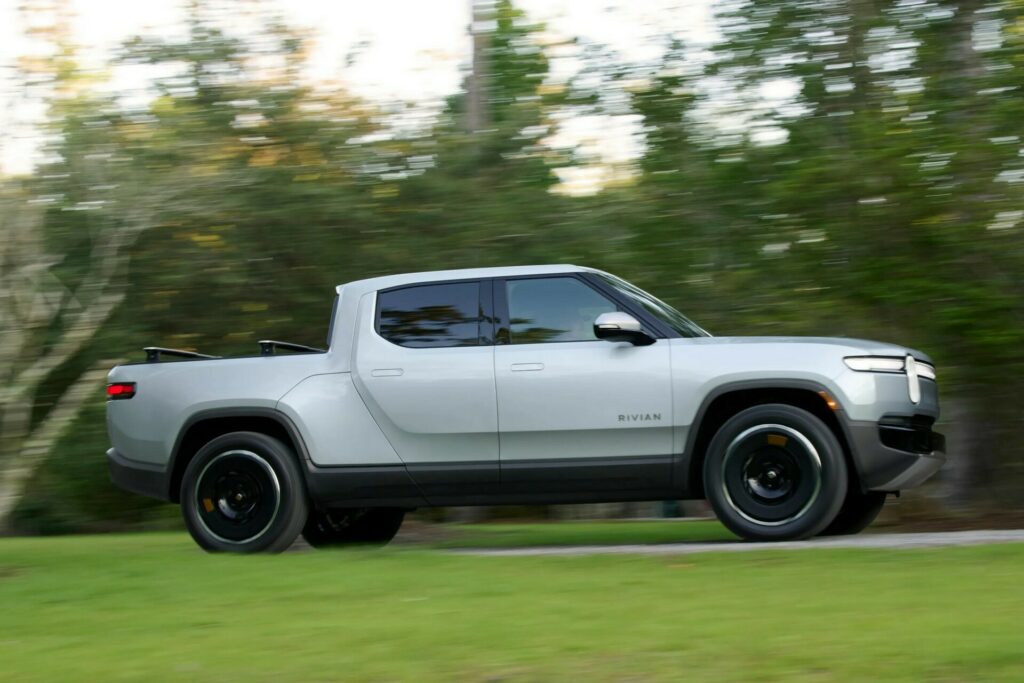
The owner of a premium Rivian R1T electric pickup learned from personal experience that the term ‘touchless car wash’ is not synonymous with ‘safe’. Although such washes do not use rotating brushes, this does not make them gentle at all. As it turned out, powerful water jets and moving equipment can still cause significant damage to an expensive electric vehicle.
Incident with the Roof Panel Detachment
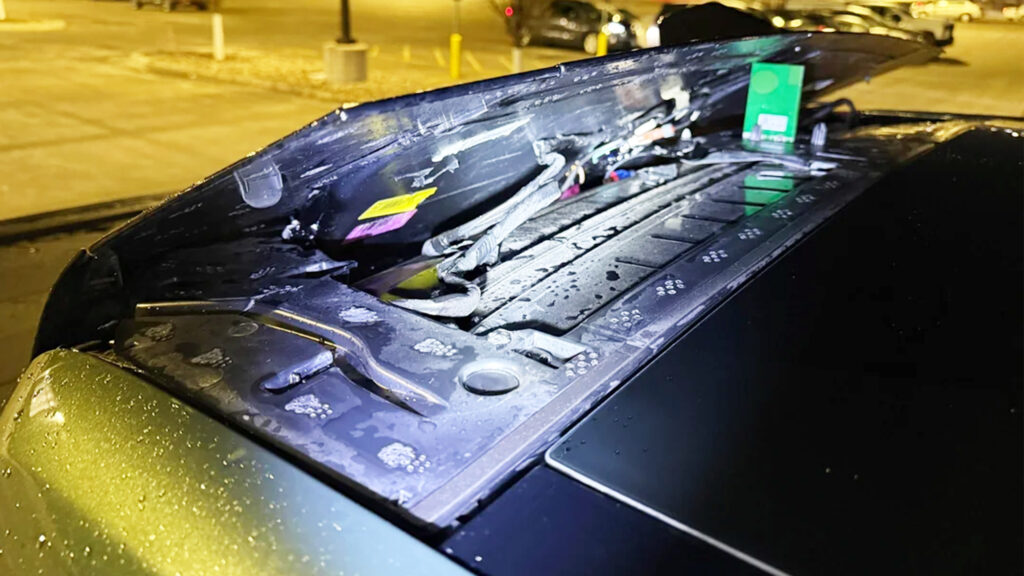
In a Reddit post, the owner recounted that it was his first time visiting a touchless car wash with his R1T. During the process, a black plastic panel on the rear part of the roof suddenly tore off. This panel covers important electronic components, including the antenna, and is secured with clips and special adhesive. Clearly, it is meant to stay in place.
Photographs show that several fasteners were ripped out and the adhesive strips came loose, as if the car was trying to shed its own roof lining. One could blame the high water pressure or the industrial dryers at the end of the tunnel, but the cause seems to be different.
The touchless car wash modified my expensive R1T tonight, that’s cool.
Damage Mechanism and Consequences
According to the owner, one of the car wash’s sprayer arms got caught under the roof panel, apparently misjudging the height of the pickup. Instead of passing by smoothly, it hooked the panel from below and tore it upward. This was clearly not part of the premium wash package.
Some commenters in the Reddit discussion suggest that to repair the rear roof panel on the Rivian, it might be necessary to remove part of the interior to access all the wiring located underneath it. Furthermore, the R1T’s third brake light is located directly above the rear window near this panel and may also require replacement.
Who Will Be Responsible for the Repair?
The question remains as to who will ultimately pay for the repair. The owner notes that the car wash’s insurance will cover the costs, although this likely means a round of negotiations between insurers before any money is transferred. Meanwhile, the damaged vehicle could spend weeks, or perhaps longer, waiting in a workshop for parts and repairs. Quite a ‘quick rinse’.
This case serves as a reminder that even modern car servicing technologies can have their risks, especially for vehicles with non-standard designs or high roofs. For premium electric vehicle owners, this may be a reason to be more careful in choosing wash locations or even to return to the traditional manual method. The incident also points to a potential need for more precise adjustment of car wash equipment for the different types of vehicles appearing on the roads.