 by
by The average age of an electric car in China is just 1.8 years, which is less than the typical lifespan of a smartphone. This indicates a fundamental shift in attitudes towards cars in the country, where electric vehicles are perceived more as technological gadgets than long-term purchases.
Key facts about the age of cars in China
I have been using my reliable Samsung smartphone for three years and have never owned a car that wasn’t older than seven years at the time of purchase. In China, it’s different: it turns out that the average age of electric cars on local roads is less than the period for which most people use a smartphone.
A recent report by the China Association of Automobile Manufacturers and consulting firm Hejun Consulting, cited by Bloomberg, shows that the average age of electric cars on Chinese roads is only 1.8 years. For comparison, the average age of an internal combustion engine car in the country is about 8.2 years. Overall, regardless of engine type, the typical car in China is younger than 7 years, while in the US this figure reaches 12.8 years. This does not mean that buyers buy an electric car, drive it for two years, and then sell it for something new.
Read: The average Chinese car is younger than 7 years old, the American one is almost 13, and this helps achieve electric vehicle targets by 2030
Electric cars truly only gained popularity across the country after 2021, reaching a 60 percent market penetration of new cars in 2026. Therefore, it is logical that the typical electric car on China’s roads is younger than two years.
How long do people own them?
Last year’s white paper showed that 70 percent of internal combustion engine cars in China remain with their owners for more than five years before being replaced. On the other hand, Sohu reports that 90 percent of new energy vehicles, including electric cars, are replaced within five years.
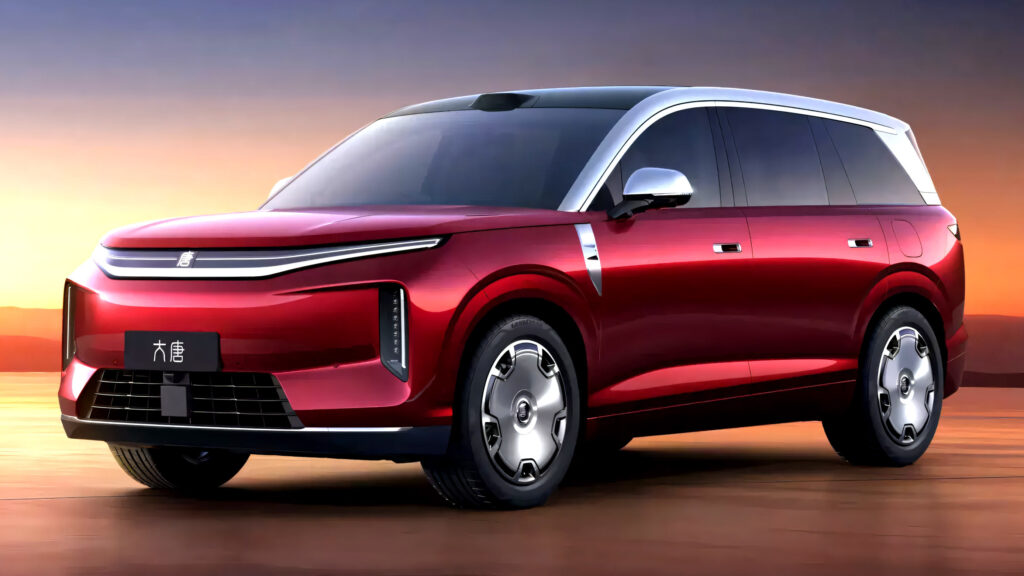
There are several reasons for this, but perhaps the most important one is that electric cars now behave more like technology products. Many internal combustion engine cars produced in 2000 had engines and transmissions very similar to those produced in 2010, so there was often no need to upgrade cars quickly. In the world of electric cars, everything is different.
Batteries, electric motors, electronic control systems, autonomous driving systems, and onboard technologies have developed rapidly in recent years, so an electric car launched in China only three years ago can seem outdated compared to a brand new alternative. Additionally, the development cycle for electric cars is much faster, especially in China, than for internal combustion engine cars, allowing automakers to launch completely new models much faster than was previously possible.
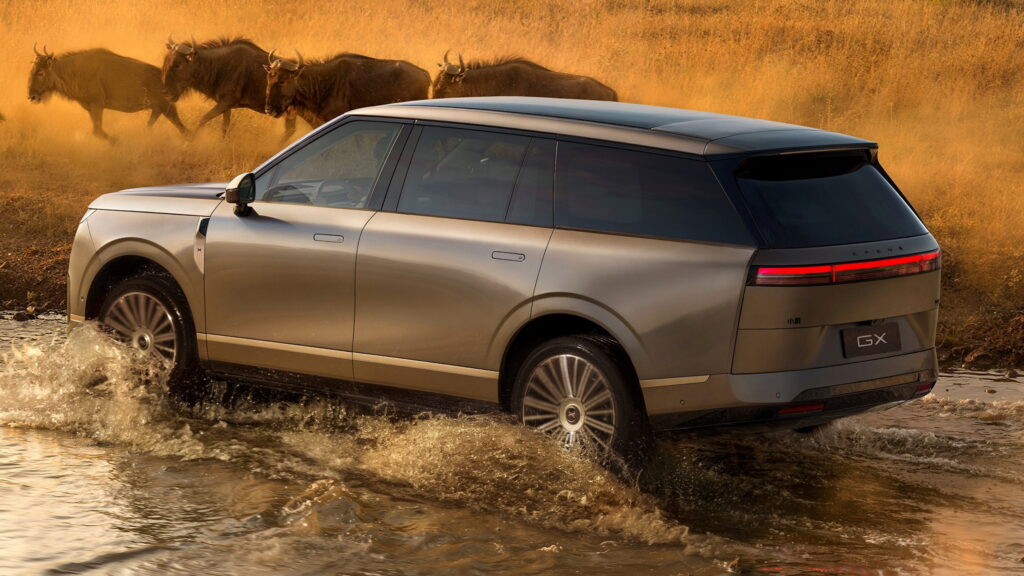
This rapid generational change of electric cars creates a unique dynamic in the market. Owners accustomed to the long-term use of traditional cars now face the need to update their vehicles more frequently to keep up with technological progress. This, in turn, stimulates the secondary market, where relatively new electric cars quickly lose value, but at the same time become more affordable for a wider range of buyers. It is worth noting that this consumption pattern may also have environmental consequences, as frequent car replacement increases the amount of waste and the demand for resources to produce new batteries.