 by
by An Aerodynamic Crossover from Ford That Won’t See Serial Production
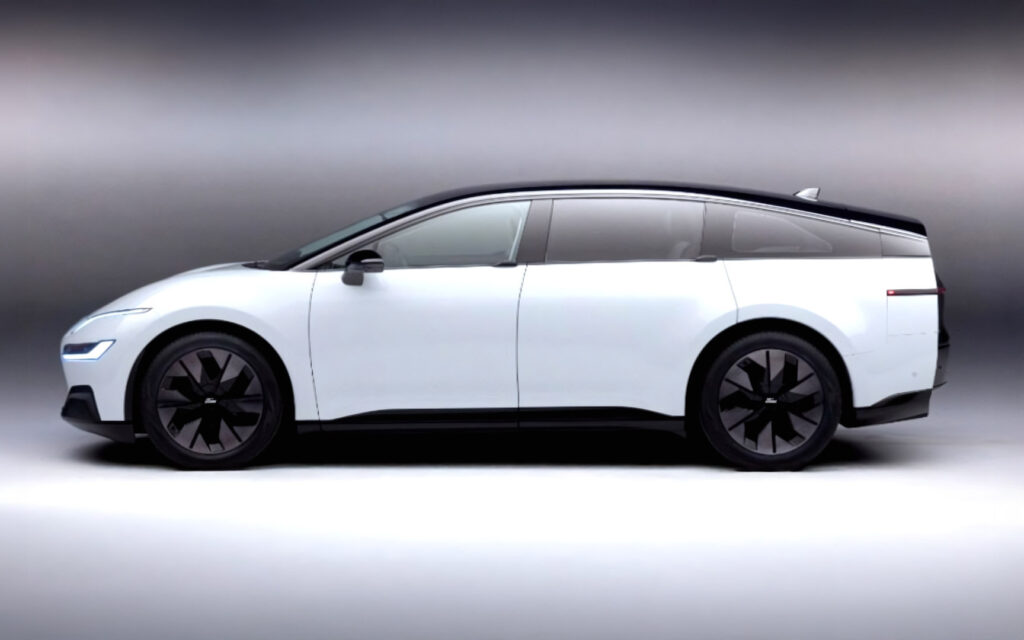
When automakers shut down projects, the world rarely learns what they looked like. However, Ford has provided an opportunity to see the cancelled three-row electric vehicle through publications by the company’s Executive Vice President, Doug Field. The prototype, which was planned as a seven-seat crossover, is now being used as a research vehicle for the brand’s future electric models.
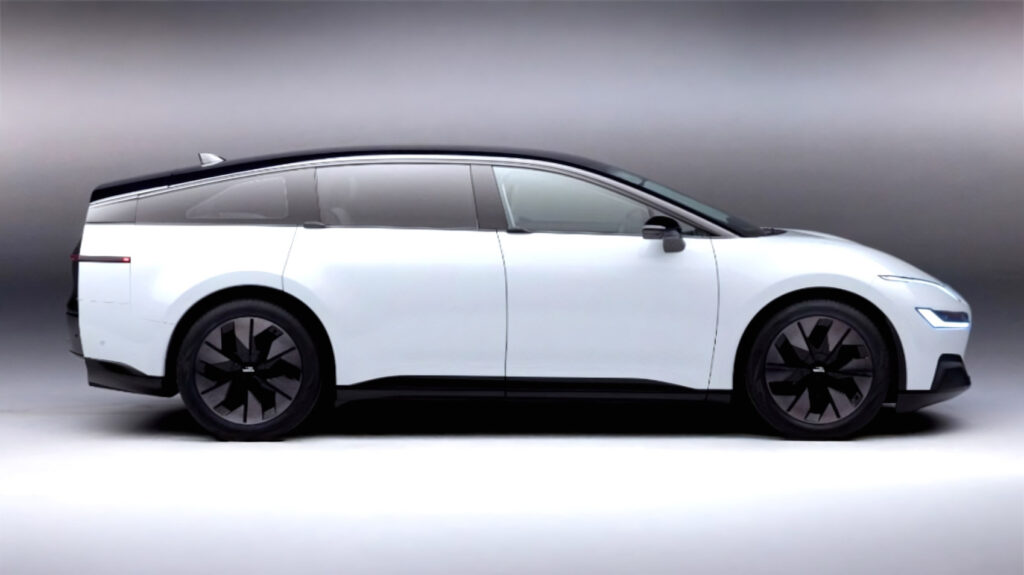
The vehicle’s design is sharply different from anything currently in Ford’s lineup. It is extremely aerodynamic, with a rounded front end, a steeply raked windshield, and a long, smooth roofline. The body features streamlined shapes, minimalist door handles similar to those on the Mustang Mach-E, and specially designed wheels. The rear of the vehicle is almost vertical.
This is the three-row crossover we cancelled in 2024. It is now a research vehicle shaping our understanding of the next generation of electric vehicles. We will see its significant influence on future models.
Technical Specifications and Plans That Were Not Meant to Be
According to the engineers’ vision, this electric crossover was intended to offer a range of over 350 miles (563 km) on a single charge. Its DC fast-charging system could have restored up to 100 miles of range in just six minutes. Furthermore, there were plans for a range-extender version capable of covering up to 550 miles (885 km) non-stop.
The project was part of Ford’s ambitious electric plans, which the company later significantly scaled back, focusing on hybrid technologies. However, work on affordable electric vehicles continues, including the development of a pickup truck priced around $30,000.
The Context of the Cancellation and the Future of Ford’s Electric Vehicles
The cancellation of this particular crossover reflects a general trend in the automotive industry, where many manufacturers are adjusting their electric strategies due to market conditions, costs, and infrastructure challenges. The experience gained during the development of this prototype will not go to waste. Ford’s engineers and designers are already utilizing the developed solutions, particularly in the fields of aerodynamics and efficiency, for future models. This underscores that even unrealized projects can become an important step in a company’s technological development, shaping the cars we will see on the roads in a few years. The focus on affordability and practicality for the next generation of electric vehicles may prove to be a more measured path than creating premium models with maximum range.