 by
by Lack of a Competitive Autonomous Driving System at Toyota and Lexus
Autonomous driving technology is becoming a key selling point for an increasing number of vehicles, and subscriptions to such systems open up enormous opportunities for future revenue. However, one major automaker has almost completely dropped out of this conversation.
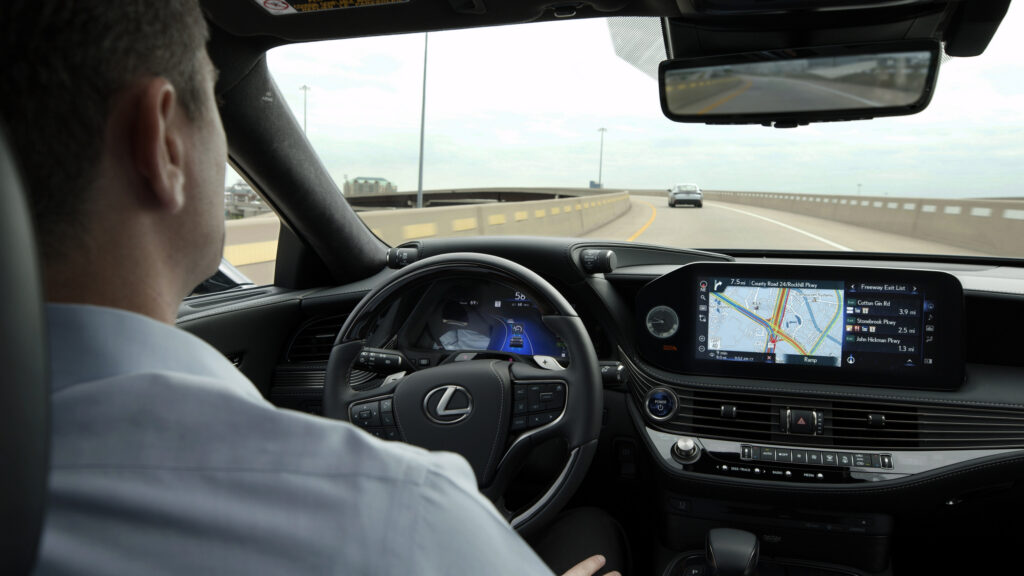
This concerns Toyota and Lexus, which have effectively admitted defeat in this area. Although the brands once offered the Teammate system on the Mirai and LS models, the latter has been discontinued. Additionally, Toyota appears to have stopped using Teammate in its hydrogen sedan after the 2023 model year.
Review: We drive hands-free in the Lexus LS 500h prototype with the Teammate system
This has left the brands without a worthy competitor to systems like GM’s Super Cruise, Ford’s Blue Cruise, and Stellantis’ Hands-Free Active Driving Assist. Besides the “Big Three” American manufacturers, the market also includes Nissan ProPILOT Assist, Mercedes MB.Drive Assist Pro, Tesla FSD, Rivian Autonomy+, and BMW Highway Assistant.
A Problem That Will Only Get Worse
This is a fairly long list, and the lack of a competitive system at Toyota and Lexus is a clear shortcoming. Over time, this problem is likely to become even more acute.
The updated ES is equipped with the Lexus Safety System+ 4.0 driver-assistance package, which includes fairly basic features like adaptive cruise control and lane keeping. Top trims have a traffic jam assist and lane change assist, but this is still a far cry from a full-fledged hands-free driving system.
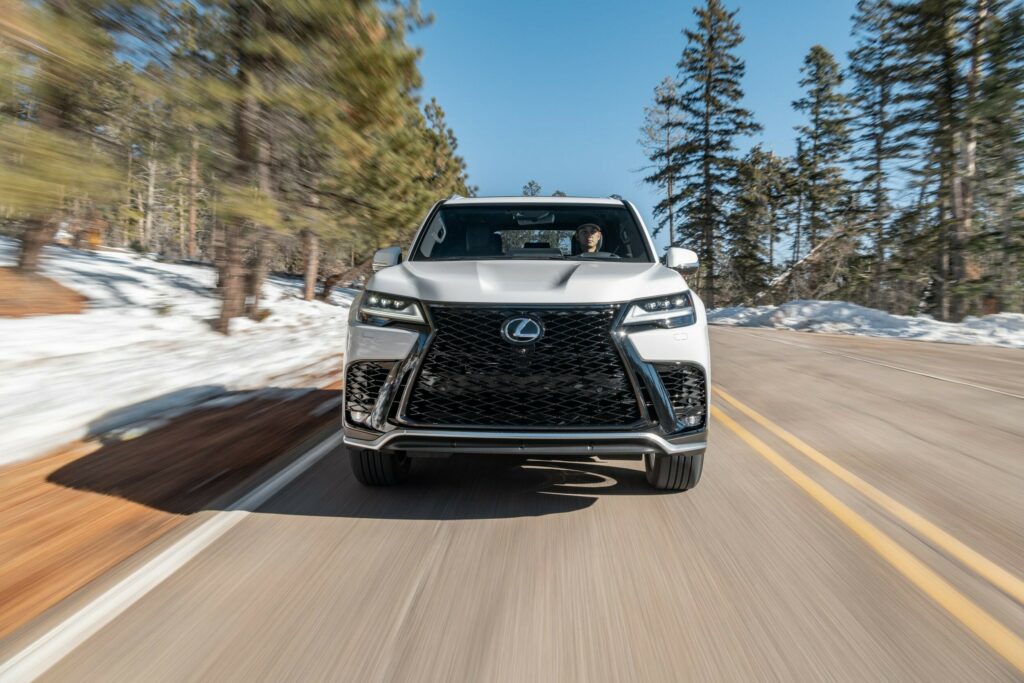
While the lack of a Level 2 semi-autonomous system can be justified for the ES at a price of $48,895, it is not even available on the LX, which starts at $108,550 and reaches $142,950 for the Ultra Luxury version. Despite its significant price, this luxury SUV uses the older Lexus Safety System+ 3.0, which does not have a lane change assist.
Comparison with Competitors
For comparison, the Cadillac Escalade starts at $91,100 and can be equipped with Super Cruise for an additional $3,000. The Lincoln Navigator at $92,745 comes standard with Blue Cruise, and the Infiniti QX80 Autograph at $112,195 offers ProPILOT Assist 2.1.
With all this in mind, are Toyota and Lexus making a mistake by not implementing autonomous driving technology? And would the lack of such a system lead you to choose competitors that offer hands-free driving technology?
The situation looks particularly paradoxical given that Toyota and Lexus have historically been pioneers in hybrid technology and safety. Abandoning the development of autonomous driving systems could cost them market share among tech-savvy buyers, especially in the premium segment where competitors actively use this feature as a key advantage. Furthermore, it creates a risk of falling behind in the long term, as collecting data for training autonomous driving algorithms is critically important for future generations of such systems. While other automakers accumulate millions of kilometers of test drives, Toyota and Lexus risk being left without this valuable experience.