 by
by The US is not extending the USMCA agreement in its current form
U.S. Trade Representative Jamieson Greer announced that the Trump administration has decided not to extend the Agreement between the United States, Mexico, and Canada (USMCA). This decision was made despite his own agency previously calling the deal a “mutually beneficial win for workers, farmers, ranchers, and businesses in North America.”
In a brief statement, the Office of the U.S. Trade Representative said they conducted a joint review of the agreement in a virtual format with representatives from the Canadian and Mexican governments. This meeting was stipulated by the terms of the agreement, which was initiated by the first Trump administration.
More details: Trump hinted he would not extend the agreement between the US, Mexico, and Canada
As part of the review, the United States “did not agree to extend the USMCA in its current form.” While this effectively dooms the trade agreement, Greer noted that “the United States will continue to engage with Mexico and Canada to address the shortcomings of the agreement and our trade deficits with these countries.”
The agreement remains in effect, but with new conditions
Meanwhile, the agreement remains in force. According to CNBC, it will remain in effect for another ten years unless Canada or Mexico decides to withdraw from it. The publication also reports that the latest move launches a series of annual reviews that “could lead to a revision of the core parts of the treaty.”
Today, the United States, Mexico, and Canada met virtually to discuss the operation of the USMCA.
The United States did not agree to extend the USMCA in its current form. However, the agreement remains in effect until these issues are resolved or until the agreement expires…
— United States Trade Representative (@USTradeRep) July 1, 2026.
The main issue — the trade deficit
The main sticking point appears to be the trade deficits, which Trump constantly emphasizes. The Office of the U.S. Trade Representative cites the figures: the deficit with Canada is $46.4 billion, and with Mexico — $196.9 billion.
The administration likely wants to reduce these figures and make key changes to the USMCA. Previous reports indicated that officials seek to raise the required North American parts content from 75% to 82%, as well as ensure that at least 50% of that value originates from the United States.
What’s next?
It is unclear how events will unfold, but Trump is a “lame duck” and will leave office in early 2029. Canada and Mexico could theoretically wait it out and hope for a better deal with the next administration. However, we will likely learn more in the coming days and weeks.
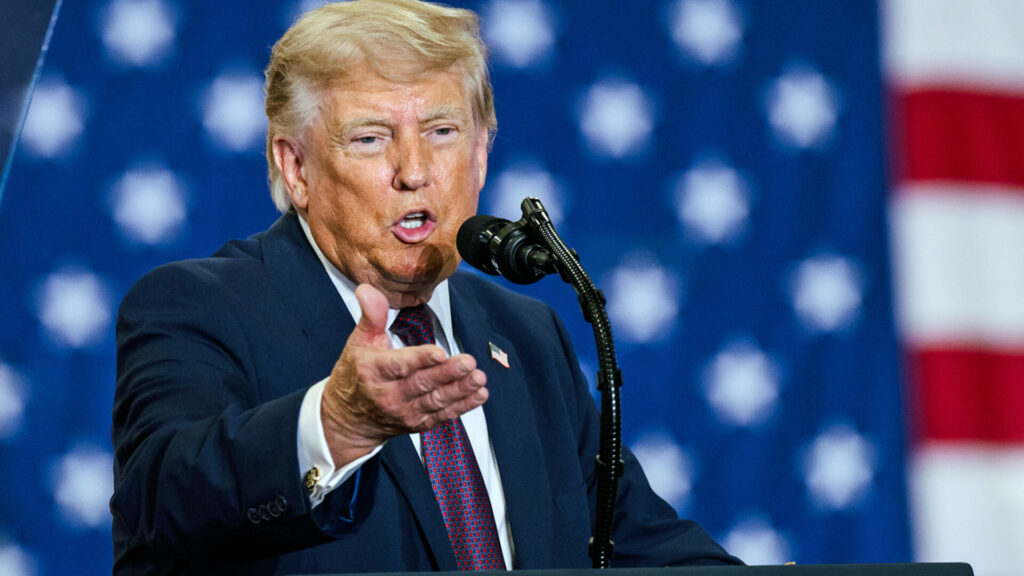
Main image: photo from the White House

The decision not to extend the USMCA in its current form is another step in U.S. trade policy, which has long been characterized by tension with key partners. Although the agreement remains in effect for another decade, the launch of annual reviews creates uncertainty for businesses and supply chains in the region. Particularly telling is the emphasis on increasing the share of American content, which could significantly impact the automotive industry and other sectors that are closely integrated within North America. Given that the term of the current administration is coming to an end, the future fate of the agreement will largely depend on the results of the next U.S. elections and the willingness of Canada and Mexico to negotiate on new terms.