 by
by Automakers Get an Unexpected Respite
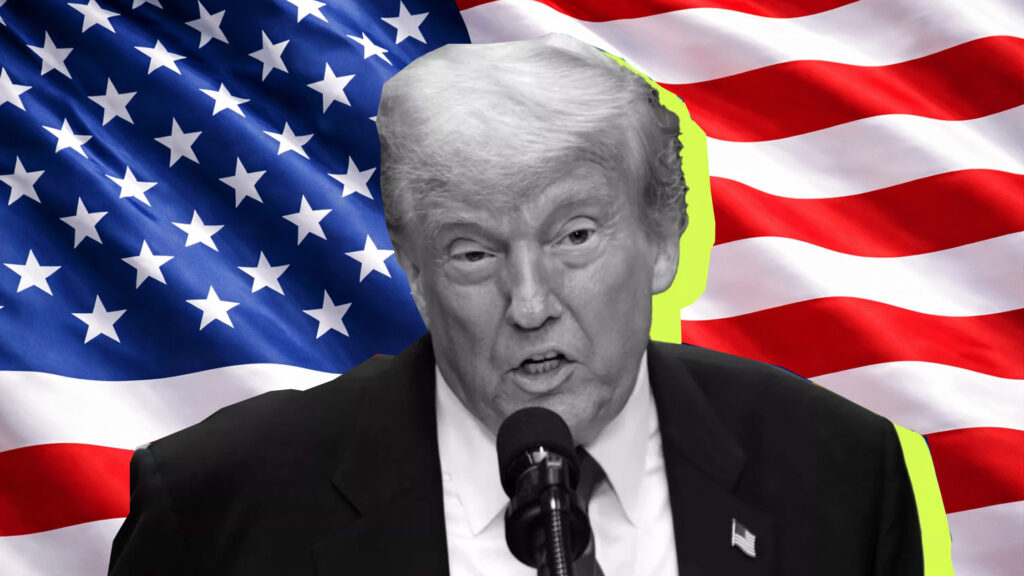
While automakers were bracing for another blow to their profits, the White House did them a small but pleasant favor. The new global tariff policy of the Donald Trump administration, which has caused concern worldwide, will not directly affect cars and auto parts, according to government officials.
This decision came after the U.S. Supreme Court struck down a series of Trump’s broader tariffs imposed under emergency powers. In response, the administration quickly introduced a new temporary import levy of 10% under Section 122 of the Trade Act of 1974, and shortly thereafter raised it to 15%.
Details of the Tariff Exemption
The new rule takes effect on February 24. The key point for the automotive industry is that vehicles and auto parts are exempt from this levy.
The temporary customs levy will last 150 days and is intended to reduce the trade deficit and stimulate the return of production to American soil.
However, many economists doubt that short-term tariffs can convince businesses to invest millions of dollars in moving production to the U.S. under constantly changing policies.
Indirect Impact on the Industry
For the automotive industry, the exemption is certainly a welcome breath of fresh air, but there is also a threat. Passenger cars, light trucks, some heavy models, buses, and a wide range of parts will not be subject to the new global levy.
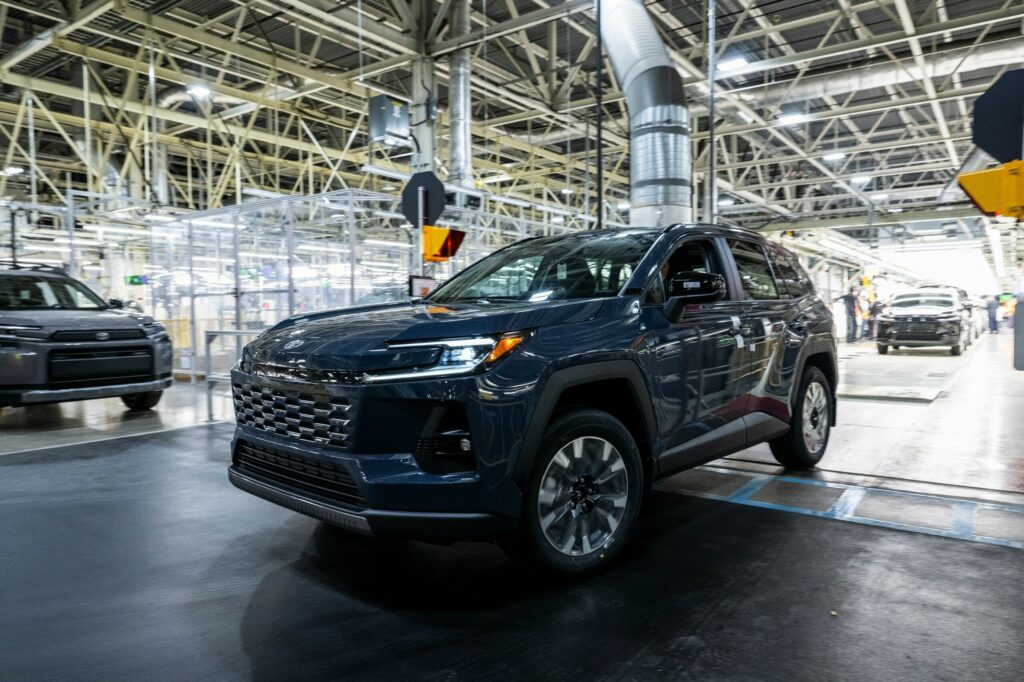
This is important because many automakers are already paying billions due to separate tariffs on imported vehicles and components, as well as through existing duties on steel and aluminum. These sectoral tariffs remain untouched following the Supreme Court’s decision.
The Issue of Congressional Approval
The court’s six-to-three decision focused on tariffs imposed under the International Emergency Economic Powers Act. The court ruled that the president must obtain Congressional approval for such broad levies.
The decision does not explain whether companies will receive automatic reimbursement, and legal experts expect a messy and overloaded process.
Illinois Governor J.B. Pritzker has already filed an $8.6 billion lawsuit on behalf of the residents of his state.
The Industry Prepares for Next Steps
Meanwhile, the administration has made it clear that more trade investigations are planned, meaning further tariffs are still possible. Adding upcoming USMCA negotiations and potential changes to North American trade rules, the industry remains on high alert.
For now, dealers and manufacturers can breathe a little easier, but they understand that Trump is likely to throw another trade grenade their way before the end of his term.
This situation vividly illustrates how the automotive industry, globalized by its very nature, depends on the political decisions of individual countries. The exemption from new tariffs gives manufacturers temporary stability for planning, but the overall atmosphere of uncertainty remains. The constant threat of new customs barriers, even if not directly targeting cars, affects supply chains, material costs, and ultimately, strategic investment decisions. The long-term future of production in the region will likely be determined not by short-term tax measures, but by the clarity and predictability of trade rules that will allow companies to invest with confidence.