 by
by US President Donald Trump Announces New Tariffs on Goods from South Korea
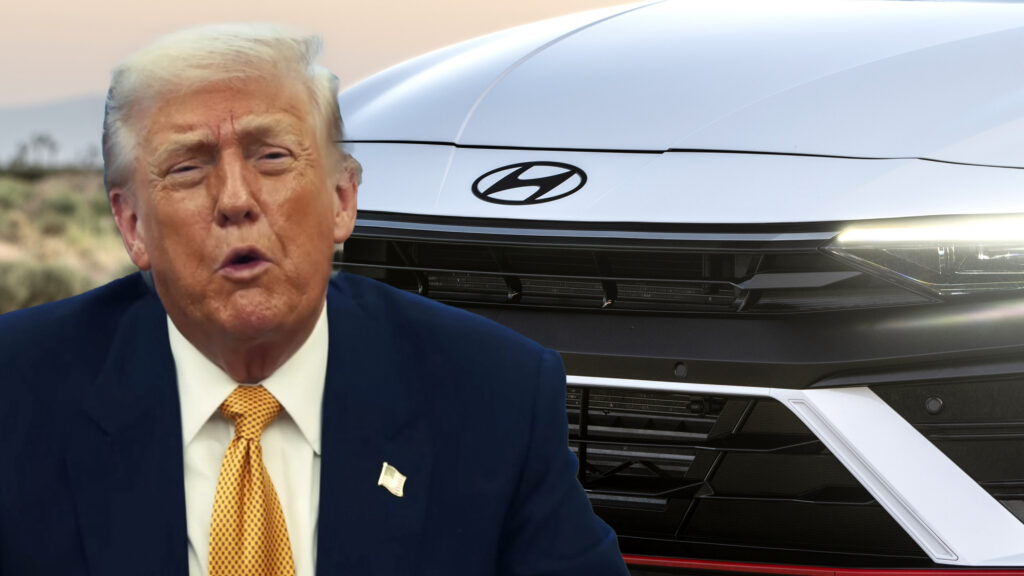
After Canada, South Korea has become the next country to draw the ire of US President Donald Trump. He announced the introduction of new tariffs on imports from this country, including automobiles, timber, and pharmaceutical products.
Reasons and Justification for the Decision
In his social media address, Trump noted that trade deals are very important for America, and the US quickly lowers tariffs after reaching agreements. In his opinion, partners should reciprocate. However, in the president’s view, South Korea is not fulfilling its obligations because its legislative body has still not ratified the trade deal agreed upon last year. It is this inaction that he named as the reason for the tariff increase.
Trade deals are very important for America… We acted quickly to lower tariffs after making a deal. We expect similar treatment in return from our partners.
Consequences for the Korean Auto Industry
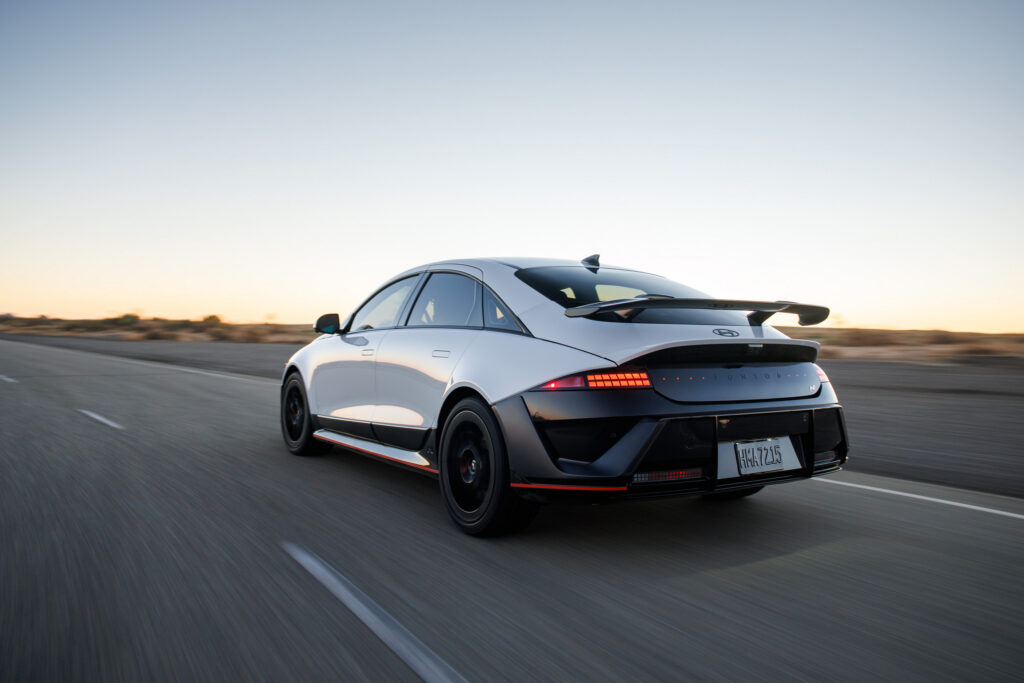
It is planned that tariffs will increase from 15 to 25 percent. This decision could significantly impact the financial condition of automakers such as Hyundai, Kia, and Genesis, whose products are actively exported to the USA.
Context of Trump’s Previous Threats
Observers note that it is characteristic of Donald Trump to announce drastic measures and then back down from them. This trend even has its own acronym – TACO (Trump Always Chickens Out). A similar situation recently occurred with threats to impose tariffs on European countries or intentions to purchase Greenland.
Questions of Authority and the Future of the Decision
Interestingly, Trump criticizes the South Korean parliament for inaction, while he himself often imposes or cancels tariffs, bypassing the US Congress. If the House of Representatives and the Senate were involved in this process, the situation could look completely different. The future of Trump’s tariff policy will also depend on a decision by the US Supreme Court, which is to be announced in the coming weeks.
This situation illustrates the complex dynamics of international trade, where political statements can have an immediate impact on markets and corporations, even if they are later adjusted. For automakers such as Hyundai and Kia, this creates additional uncertainty in business planning for a key market. The tariff increase could lead to higher prices for their products for the end consumer in the USA, potentially affecting their competitiveness. The final consequences will depend not only on the duration of these measures but also on the response of the Korean government and possible negotiations.