 by
by Volkswagen Plant May Switch to Producing Air Defense Components
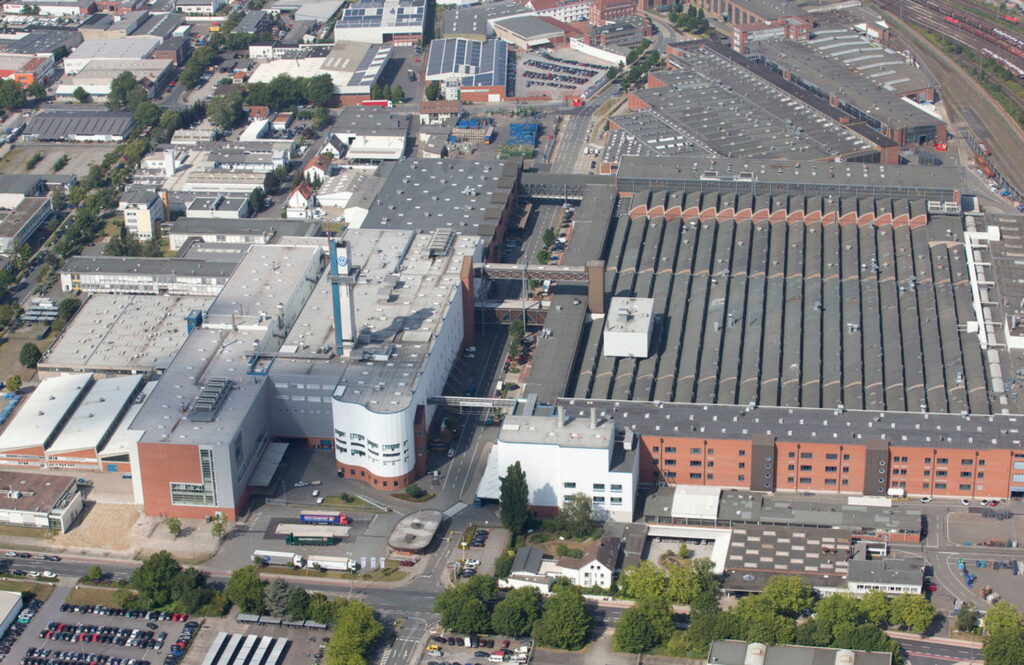
The German automaker Volkswagen is in negotiations about the possible conversion of its plant in Osnabrück. Instead of cars, the enterprise could begin producing components for the Israeli Iron Dome air defense system. This step is being considered as a way to preserve production capacity and thousands of jobs.
A Historic Site and an Uncertain Future
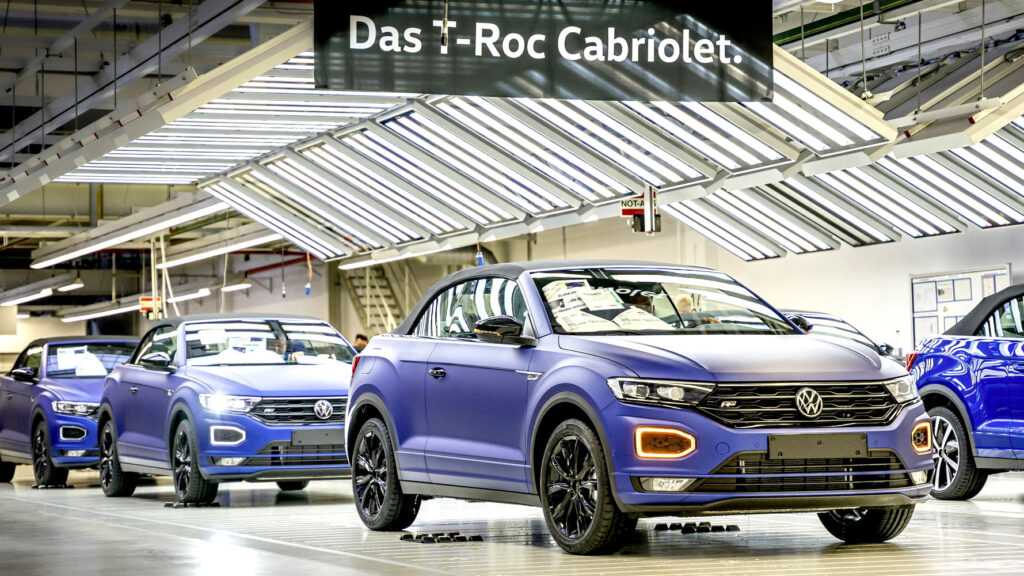
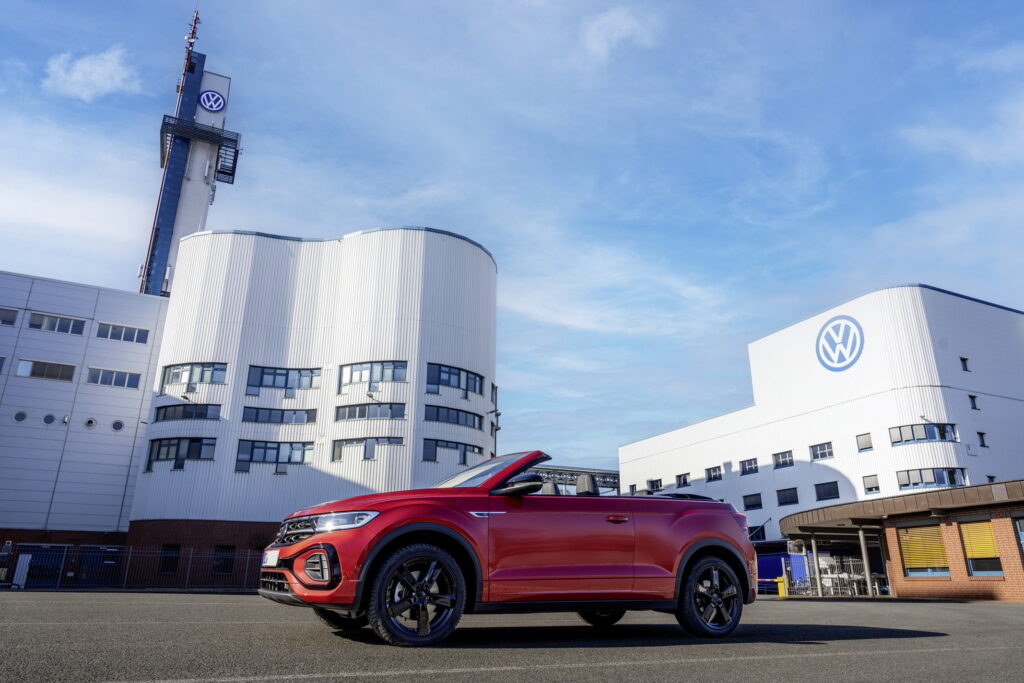
The plant in Osnabrück has a rich history linked to the name of the famous coachbuilder Wilhelm Karmann. For decades, cars for brands such as BMW, Porsche, and Volkswagen itself were created here. Currently, the T-Roc convertible is produced at the plant, but its production is planned to be discontinued by 2027. This jeopardizes about 2,300 jobs.
Volkswagen CEO Oliver Blume does not rule out that the production of its own cars at the site could be stopped as early as next year. As reported by the Financial Times, the company is actively negotiating with the Israeli defense company Rafael Advanced Defence Systems.
Nature of Production and Deal Terms
According to the plan, the plant will not produce missiles directly. The discussion is about manufacturing ancillary equipment: launchers, generators, and heavy-duty trucks for transporting the system. The goal is to maximize the use of existing production capacity with minimal investment and to launch production within 12-18 months, subject to employee consent.
A Volkswagen representative stated that the company is in talks with “various market participants” and that there are currently no concrete plans for the site, adding that the automaker does not intend to produce weapons itself.
Search for Solutions and Employee Influence
Volkswagen has already attempted to sell the plant, including negotiations with the German defense conglomerate Rheinmetall, but a deal did not materialize. Oliver Blume confirmed that the company continues to consider partnerships with defense firms as one of the possible options. Any change in the plant’s profile would require approval from the works council, which has significant influence according to German labor law.
Context of Financial Difficulties
These discussions are taking place against the backdrop of serious financial problems for the group. Volkswagen reported a 53.5% drop in operating profit in 2025 and announced plans to cut 50,000 jobs in Germany by 2030. This pressure is forcing one of the world’s largest automakers to consider radical measures to preserve its business.
The potential shift to defense production is a clear indicator of deep transformations in the automotive industry. For Volkswagen, this could become a way to ensure stable utilization of capacity and avoid mass layoffs in the region. The situation in Osnabrück also points to a broader trend where traditional auto giants, facing economic challenges and the transition to electric vehicles, are forced to seek alternative sources of income and diversify their activities far beyond the automotive sector.