 by
by Japanese automakers Honda, Nissan, and Mitsubishi continue to search for ways to collaborate, although plans for a large-scale merger have been left in the past. Among the main areas of potential partnership, experts highlight:
Start of Negotiations and Their Development
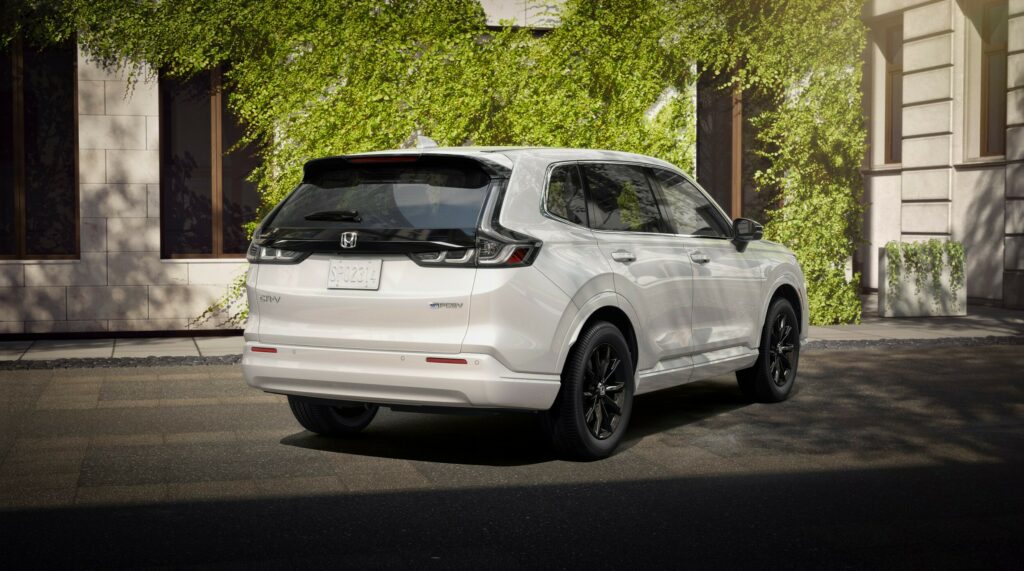
At the end of 2024, the idea of a large-scale merger between Honda and Nissan, with the possible involvement of Mitsubishi, was actively discussed. However, these negotiations quickly fizzled out, and no specific agreements were signed. Despite this, the three brands have not stopped searching for collaboration options. The main areas of interest remain supplying vehicles for the North American market, developing electrified powertrain technologies, and improving automotive software.
We are exploring various possibilities, such as complementary supply of models to each other, — noted Honda’s Executive Vice President Noriya Kaihara during the announcement of financial results. — But there are no concrete plans yet.
He also added that coordination in the software sphere is a promising direction for cooperation, although both companies already have their own developments, and it is too early to draw conclusions.
Focus on the US Market and Current Negotiations
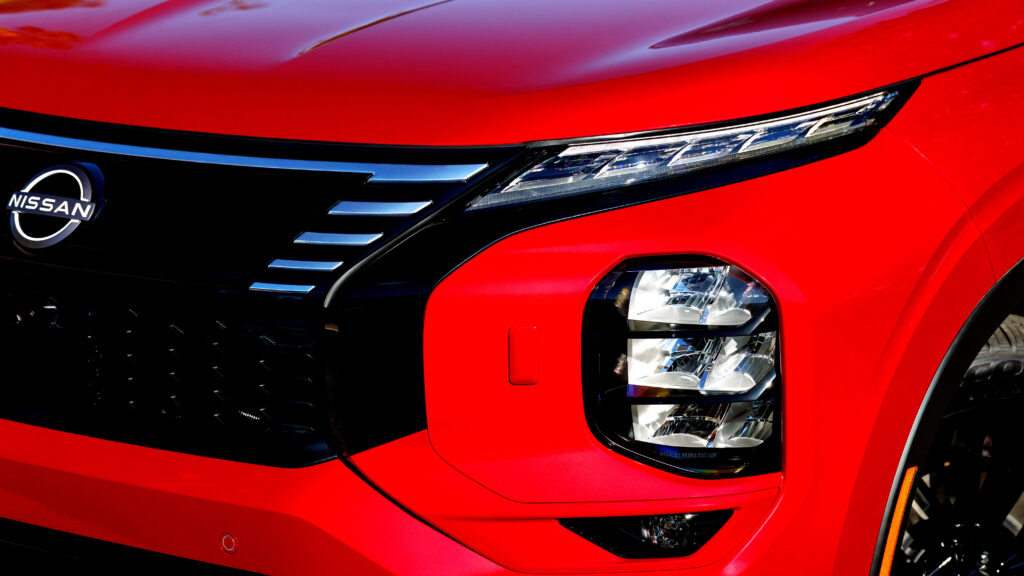
Nissan’s leader, Ivan Espinosa, confirmed that recent discussions are focused primarily on the USA and opportunities for cooperation in North America, considering the complex regulatory environment and tariff barriers.
We both recognize the challenges facing the industry, and, as Japanese companies, we believe we need to find common ground for cooperation, — said Espinosa.
He described the negotiations as constructive but emphasized that Nissan is not focused exclusively on cooperation with Honda in the USA and is open to any partnerships that will enhance the company’s business value. For automakers, finding ways to collaborate is becoming increasingly important as it allows sharing the enormous costs of developing new technologies.
Difficulties and First Steps of Cooperation
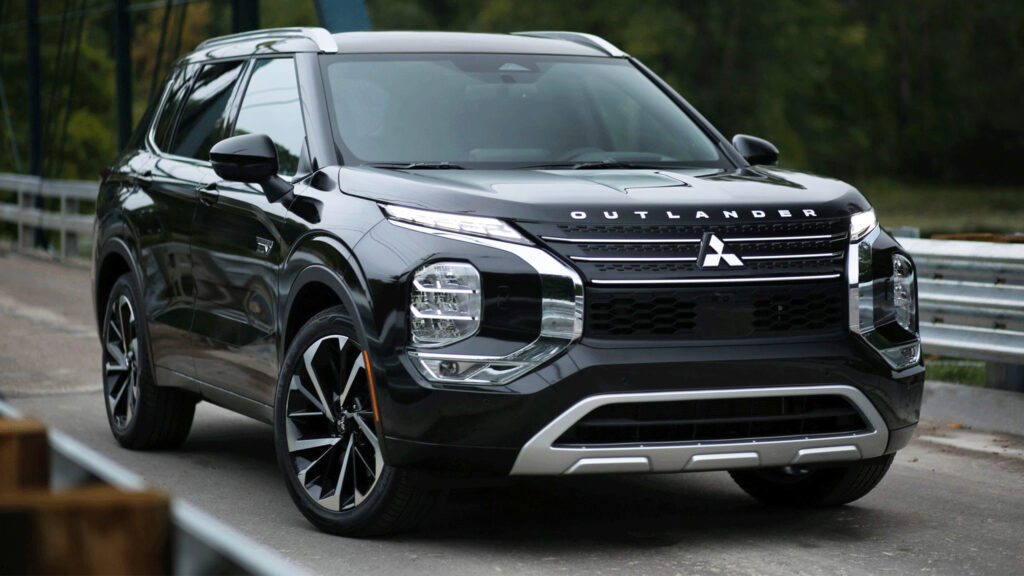
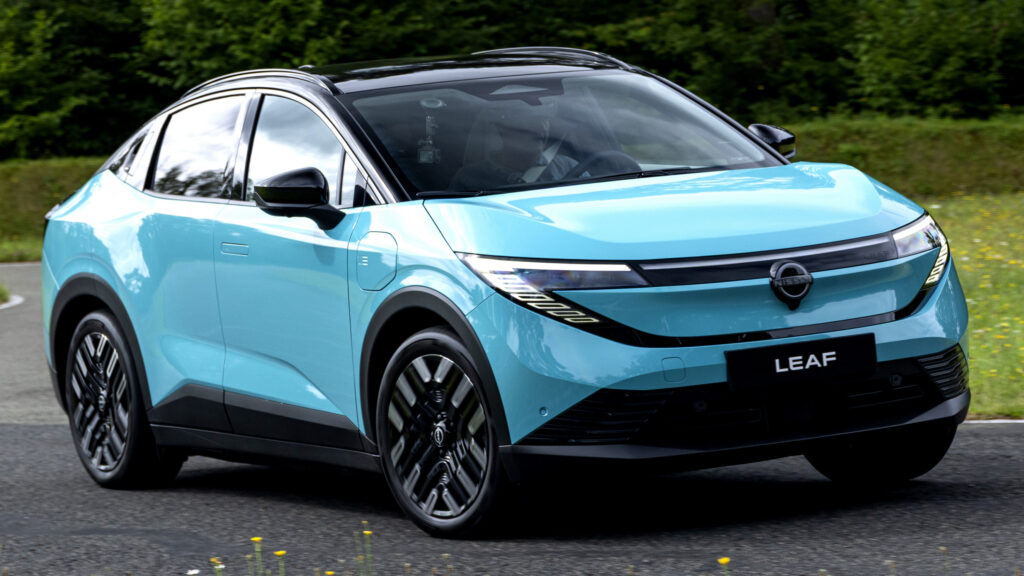
However, finding common ground for Honda, Mitsubishi, and Nissan is proving difficult. As reported, their product portfolios and production capacities often do not complement but compete with each other. So far, examples of cooperation are limited. Recently, Nissan began selling the Mitsubishi Outlander SUV in the hybrid version in the USA under its own name, Rogue, which helped fill a gap in the brand’s hybrid lineup. Furthermore, as part of a separate recovery plan, Nissan intends to supply Mitsubishi with a version of its Leaf electric vehicle, although this project has not yet been implemented.
The only thing I can say is that discussions are ongoing, — added Mitsubishi’s CEO Takao Kato. — If negotiations with Nissan and Honda yield results, we hope to include them in our new mid-term plan. We hope to clarify details about the new SUV soon.
Today’s automotive market, especially in the context of electrification, poses unique challenges for manufacturers that are difficult to overcome alone. For Japanese companies, which have traditionally been competitors, finding a balance between cooperation and independence is a key issue. Success under such conditions may depend not on creating a single conglomerate but on flexible, project-based alliances aimed at specific technologies or markets. The experience with the Outlander PHEV for the Nissan Rogue shows that such an approach can be viable, helping to quickly fill gaps in the lineup without billion-dollar investments in completely new development. The future of these negotiations will likely shape not only the strategies of individual brands but also influence the position of the Japanese auto industry in the global struggle with Chinese and American manufacturers.