 by
by Porsche Ends Production of the Gasoline Macan: What It Means for the Company
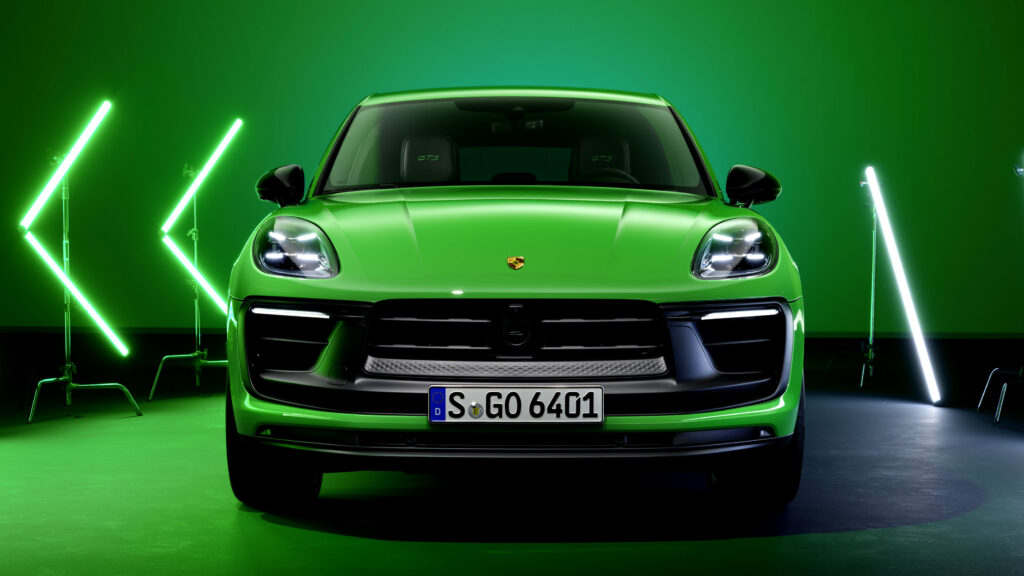
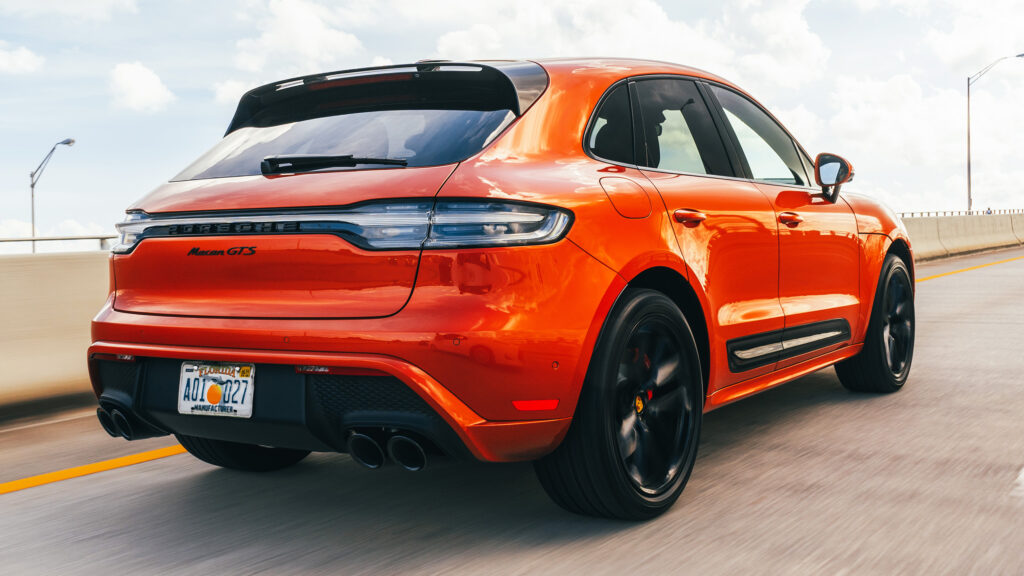
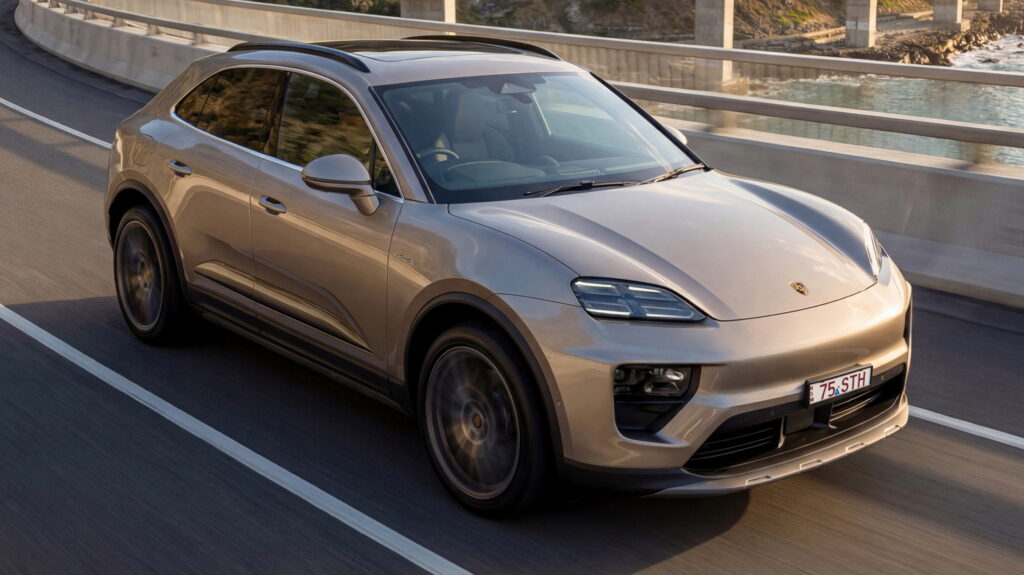
Porsche launched the electric Macan hoping it would fully replace the gasoline version. However, high demand for the latter compelled the company to keep both models on sale, allowing buyers to choose between a traditional engine and an electric vehicle. Now, the path of the gasoline Macan is coming to an end, at least for the current generation.
Official Announcement and End Date
During the announcement of sales results for the first half of this year, Porsche quietly disclosed the exact date for ceasing production of the gasoline Macan. The final car will leave the Leipzig plant at the end of July. This decision is surprising, as the gasoline version continues to sell better than the electric one, and after its disappearance, Porsche will have no similar SUV with an internal combustion engine.
Future of the Model Lineup: New Macan and Its Successor
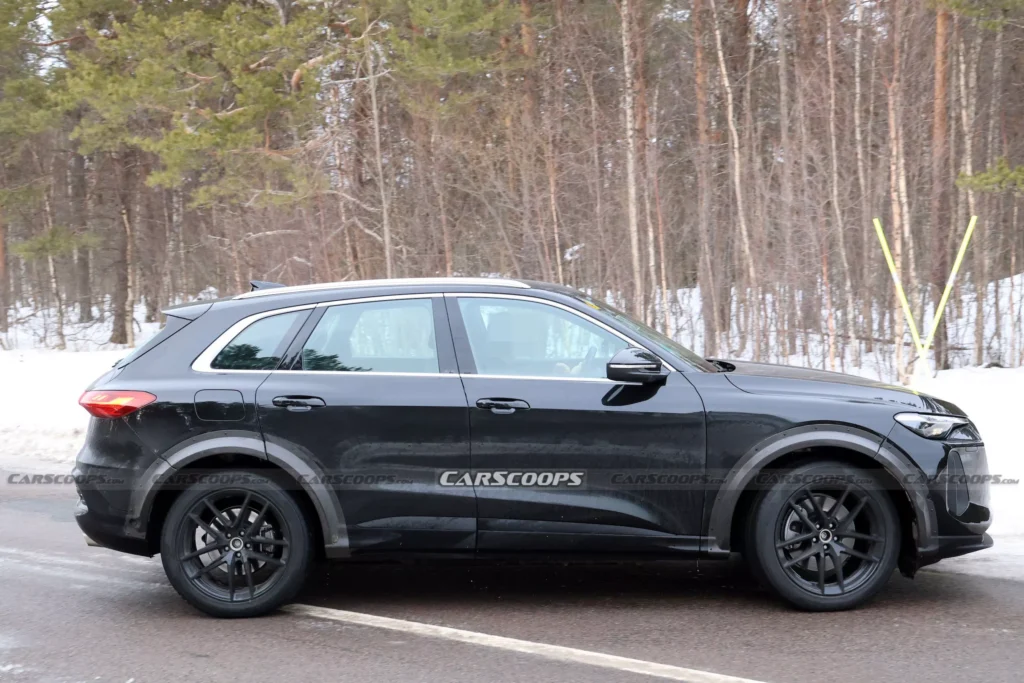
A successor is already being developed, but buyers will have to wait a long time. Porsche admitted it misjudged the market and approved the creation of a new gasoline and hybrid Macan based on the Audi Q5 platform. However, its appearance is expected no earlier than 2028. This means that for at least two years, dealers will have to rely on remaining gasoline stock, the electric Macan, and other models. The new model will receive a different name, so the Macan brand will now belong exclusively to the electric vehicle.
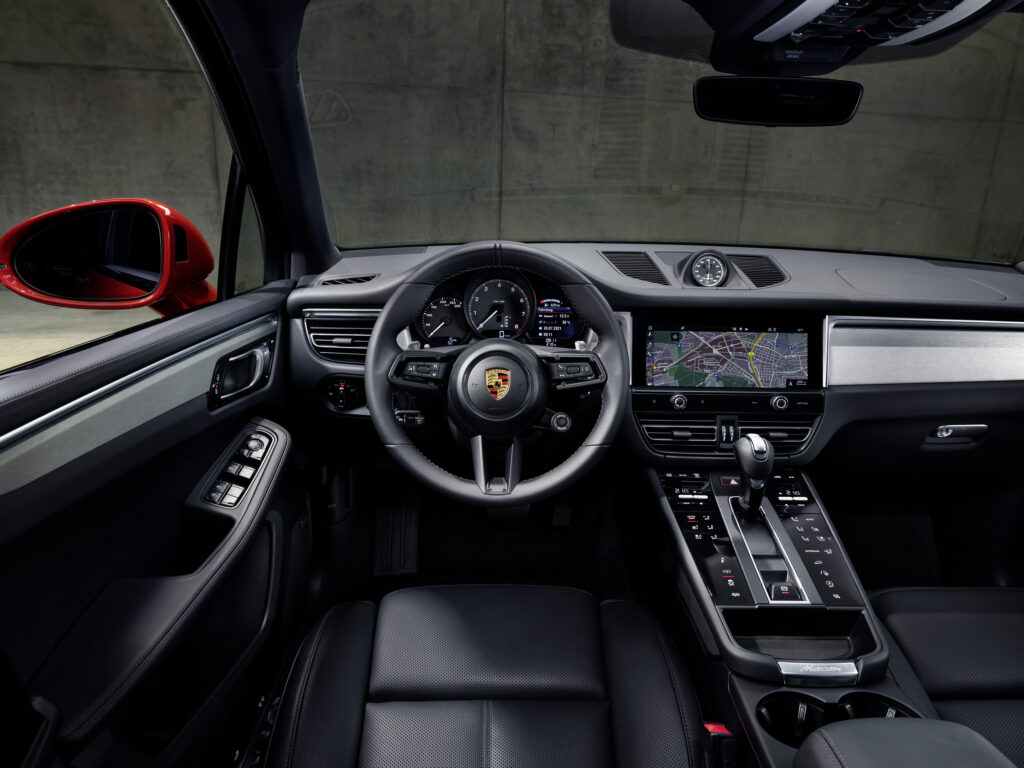
Macan Sales in the First Half of 2026
In the first half of this year, Porsche sold 35,315 Macan vehicles worldwide. The majority of these, 19,695 units, were gasoline models, while the electric Macan accounted for 15,620 sales. Overall, Macan sales fell by 22% compared to the same period last year. Porsche attributes this to a particularly successful 2025, the lack of tax incentives for electric vehicles and hybrids in the US, and a “slower-than-expected transition to electromobility.”
Porsche’s Overall Challenges in 2026
The timing for ending production of the gasoline Macan is not ideal for the company. Porsche’s overall deliveries dropped by 16% since the start of the year, from 146,391 to 112,306 vehicles. Particularly dramatic is the decline in sales in China, where they fell by 32% (from 21,302 to 14,501 units). In North America, sales decreased by 13% to 37,712 units.
Situation with Other Porsche Models
The Macan is not the only model facing difficulties. Cayenne sales also fell by 9% to 38,141 units, despite the start of deliveries of the fully electric version. Panamera lost 38% of sales (9,308 units), and the Taycan declined by 25% in the first six months.
The only positive point for Porsche this year has been the 911 model. Its sales increased by 19%, with 30,534 of these vehicles finding new owners.
Porsche Sales in 2026
| Region | January-June ’26 | January-June ’25 | Change % |
| World | 122,306 | 146,391 | -16% |
| Germany | 14,938 | 15,973 | -6% |
| North America | 37,712 | 43,577 | -13% |
| China | 14,501 | 21,302 | -32% |
| Europe (excluding Germany) | 30,278 | 35,381 | -14% |
| Other Markets | 24,877 | 30,158 | -18% |
Porsche’s decision to cease production of the gasoline Macan, despite its higher popularity compared to the electric version, indicates a strategic, albeit risky, step towards electrification. The company finds itself in a situation where it will have to navigate a multi-year period without its gasoline bestseller, relying on a less popular electric vehicle and other models, whose sales are also declining. This occurs against a backdrop of an overall sales slump, particularly in the key Chinese market. The success of the 911 model shows that demand for traditional sports cars remains high, but the main challenge for Porsche now is maintaining its position in the SUV segment, where competition is extremely fierce, and the transition to electric power has proven more difficult than expected.