 by
by American auto giants: are they as ‘American’ as they seem?
The ‘Made in America’ label is often associated with the ‘Big Three’ — Ford, General Motors, and Stellantis. However, new data from S&P Global reveals that the reality is much more complex. These companies import a significant number of vehicles, sometimes even more than foreign manufacturers like BMW.
Ford: sales leader, but not without imports
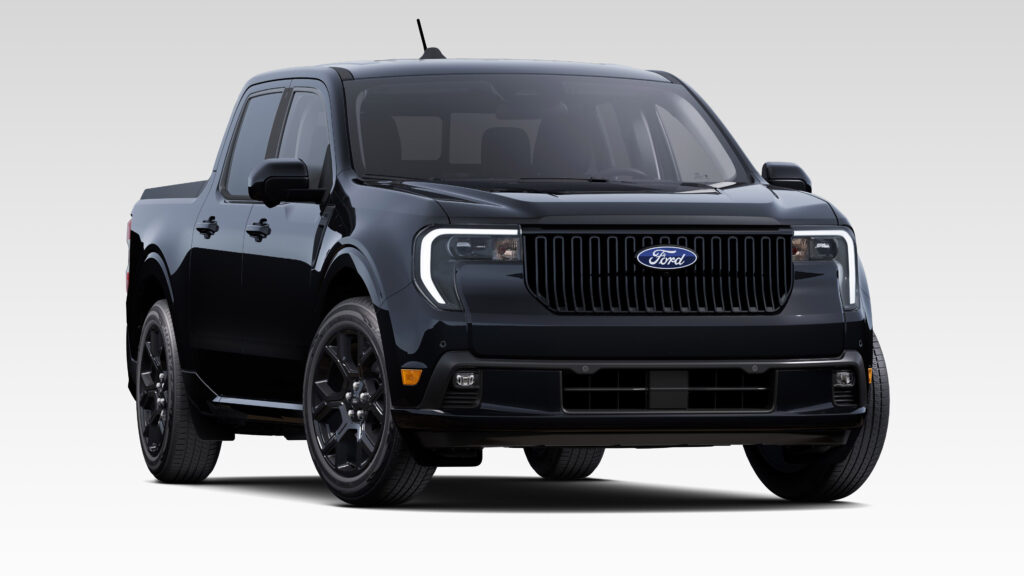
Last year, Ford imported 378,123 vehicles, a relatively small share of its total 2,204,124 cars sold in the U.S. A significant portion of these imports comes from Mexico, including key models such as the Maverick, Bronco Sport, and Mustang Mach-E. Additionally, the Lincoln Nautilus is produced in China.
General Motors: record imports from South Korea
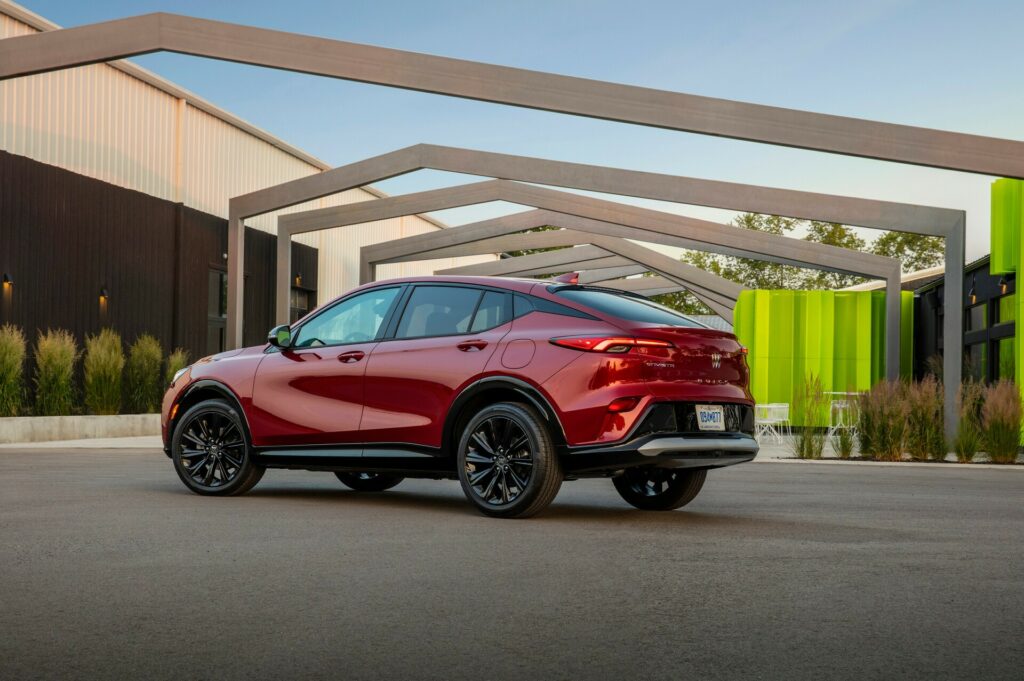
GM imports far more than Ford — 1,170,480 vehicles last year, of which 388,280 came from South Korea. This represents a substantial share of the 2.85 million cars sold in the U.S. Key imported models include the Chevrolet Trax, Chevrolet Trailblazer, Buick Envista, and Buick Encore GX. Despite tariffs imposed by the Trump administration, GM is investing $600 million in its South Korean facilities to ramp up production. At the same time, the company is expanding production in the U.S., but shifting production lines takes years, not months.
Stellantis and other players
Stellantis is also a major importer, bringing in 513,893 vehicles. The company is already moving some production to the U.S., notably shifting Jeep Compass assembly to Illinois. For comparison, BMW imported only 215,078 vehicles, fewer than any of the ‘Big Three.’ However, this accounts for more than half of BMW’s total U.S. sales (388,897 cars).
Foreign brands: who leads in imports?
Among foreign manufacturers, Toyota (1,192,969 vehicles) and Hyundai (1,092,478) import the most. Nissan imported 429,451, VW imported 452,220, and Honda imported 556,404 vehicles.
Tesla: the absolute leader in ‘American-ness’
Among mass-market manufacturers, Tesla remains the most ‘American’ company. Its vehicles have the highest percentage of North American content, and last year it did not import a single vehicle to the U.S.
Vehicle imports to the U.S. in 2025 (by manufacturer)
| Manufacturer | Vehicles imported |
| Tesla | 0 |
| BMW | 215,078 |
| Ford | 378,123 |
| Nissan | 429,451 |
| Volkswagen | 452,220 |
| Stellantis | 513,893 |
| Honda | 556,404 |
| Hyundai | 1,092,478 |
| GM | 1,170,480 |
| Toyota | 1,192,969 |
Source: S&P Global
This data shows that production globalization has long blurred the clear lines between ‘American’ and ‘foreign’ brands. Even so-called ‘American’ companies rely heavily on imports, while some foreign manufacturers, like Toyota and Hyundai, have enormous production capacities in the U.S. Tariff policies may reshape the landscape, but moving production quickly is impossible due to the complexity of supply chains and the time required to retool factories. This underscores that the concept of a ‘national’ manufacturer in the automotive industry is becoming increasingly conditional, and consumers often have no idea where their car was actually assembled.