 by
by A Sharp Jump in Corolla Prices in Japan
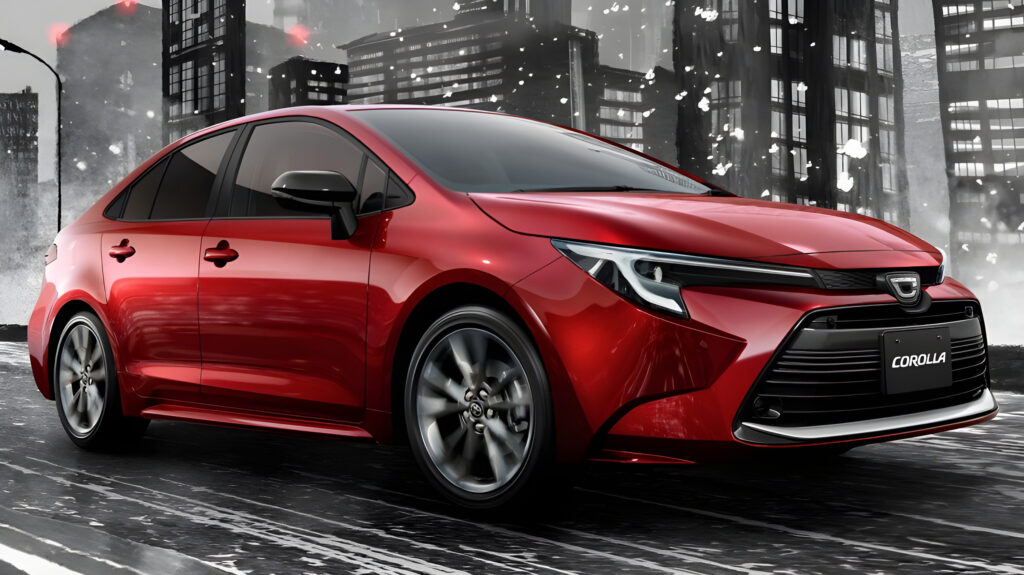
Inflation can be relentless, and anyone who has recently inquired about the cost of a new Toyota Corolla in Japan has likely felt it firsthand. Depending on the model, the starting price of this car in its home market has increased between almost 40% and around 60% over the past decade, pushing away some budget-oriented buyers.
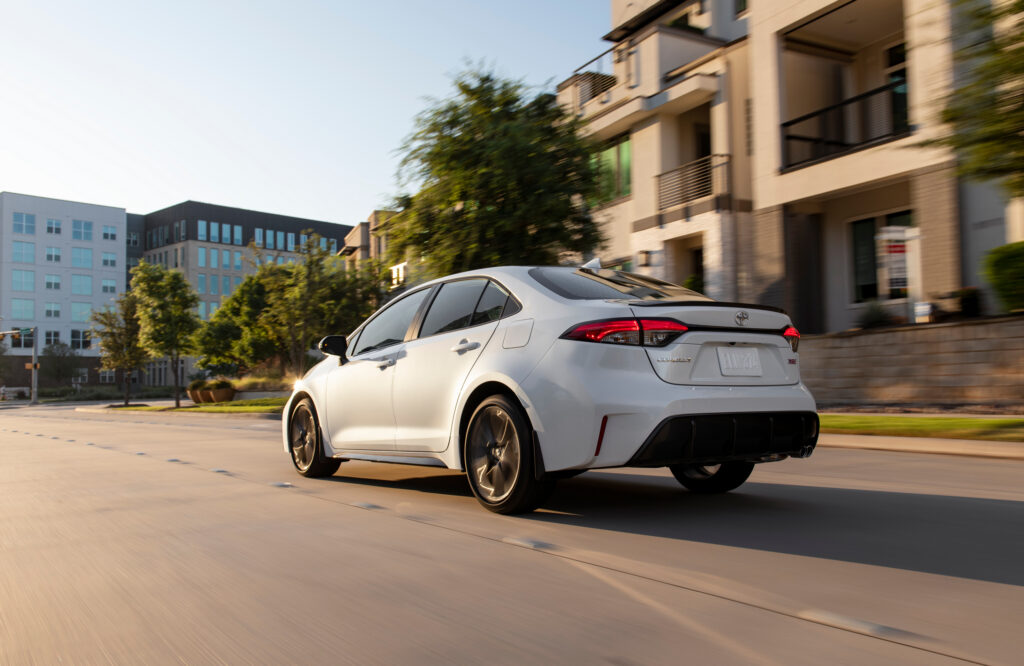
According to Statistics Bureau data, the Corolla’s starting price rose from 1.45 million yen (equivalent to $9,300 at the current exchange rate) in 2015 to 2.28 million yen ($14,500) in 2025. This represents a 57.2% increase, making even this sedan, known for its reasonableness, look expensive.
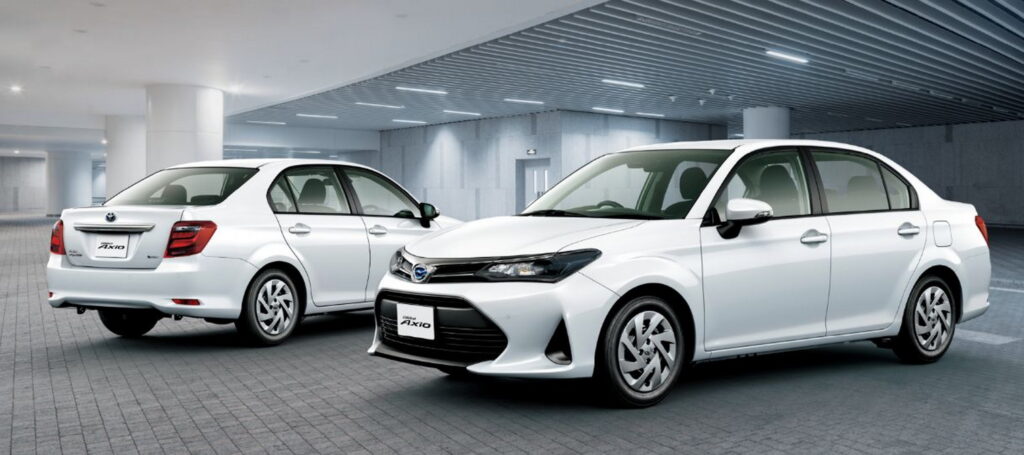
However, despite the headline figures in reports, the reality is a bit more nuanced. The Corolla sedan sold in 2015 was the budget Corolla Axio, production of which ceased last year at a final price of 1.64 million yen ($10,500). Viewed from this angle, its increase over the decade is a more restrained 13%.
Comparison of Global Models
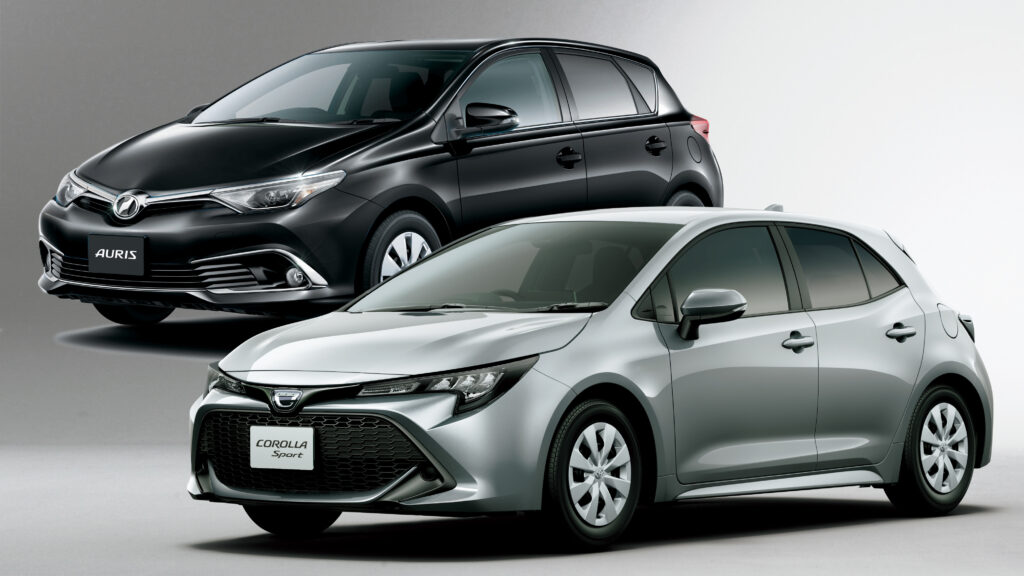
For a cleaner price comparison between global compact hatchbacks, the 2015 Auris started at 1.79 million yen ($11,400). Its modern counterpart, the 2025 Corolla Sport, starts at 2.46 million yen ($15,700), meaning a jump of 37.4%.
Inflation Hits All Segments
Of course, the Corolla is far from alone in this situation. Between 2015 and 2025, kei cars in Japan became 33% more expensive, reaching 1.76 million yen ($11,200). Over the same period, the average compact passenger car became 31% more expensive at 2.39 million yen ($15,200), and large models increased by 24% to 3.72 million yen ($23,700). Inflation has not been selective.
At the same time, data from Japan’s Ministry of Health, Labour and Welfare shows that the average worker’s salary increased by only 10% over this interval. The math is simple. Cars in Japan have become much more expensive, especially when considering higher gasoline prices, parking fees, and even the cost of used vehicles.
Against this backdrop, it is not surprising that carsharing has expanded rapidly. The number of carsharing vehicles in Japan in 2024 was five times higher than in 2014.
The Situation in the USA
In the United States, the Manufacturer’s Suggested Retail Price (MSRP) of the base Toyota Corolla rose from $17,300 ten years ago to $22,725 for the equivalent 2026 sedan, which is an increase of 31.4%. This almost perfectly matches the overall inflation measured by the Consumer Price Index, which was approximately 31.8% over the same period. However, looking more broadly at the market, the picture becomes more tense.
Since 2016, the average transaction price for a new car in the US has risen by almost 47%, crossing the $50,000 mark for the first time last year. Over roughly the same 10-year period, the seasonally adjusted nominal average hourly earnings for all private-sector employees increased by an almost identical 46.5%. It is worth remembering that this figure reflects the average, not the median wage, and it is not adjusted for inflation.
This data points to a deeper structural problem of car affordability, especially in key markets like Japan. The gap between price growth and wage growth may force a reconsideration of the traditional car ownership model. The rapid expansion of carsharing and other alternative forms of mobility may not be a temporary trend but a new long-term reality for cities where the cost of ownership continues to rise faster than people’s incomes.