 by
by Audi from Maryland Received Nearly 900 Speeding Tickets in Washington
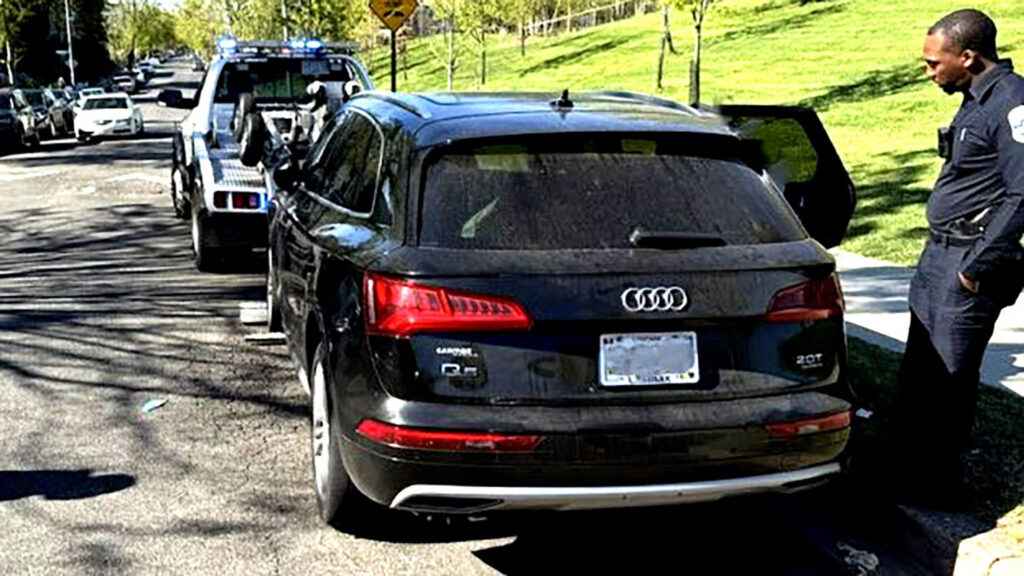
An Audi Q5 with Maryland license plates accumulated 893 speeding tickets in the District of Columbia (Washington, D.C.). This was possible due to a legal loophole that previously did not allow district authorities to effectively collect fines from drivers from neighboring states, such as Maryland or Virginia. However, the situation changed with the adoption of a new law.
The New Law and Consequences of Its Implementation
In 2024, the STEER Act came into force, granting D.C. officials greater authority to combat drivers from other states who ignore fines. Since it took effect, according to the authorities, the number of road fatalities in the district has decreased by 52%.
D.C. police stated that the car owner demonstrated “systematic disregard for traffic rules” and promised to continue identifying repeat offenders.
Record Fines and Public Reaction
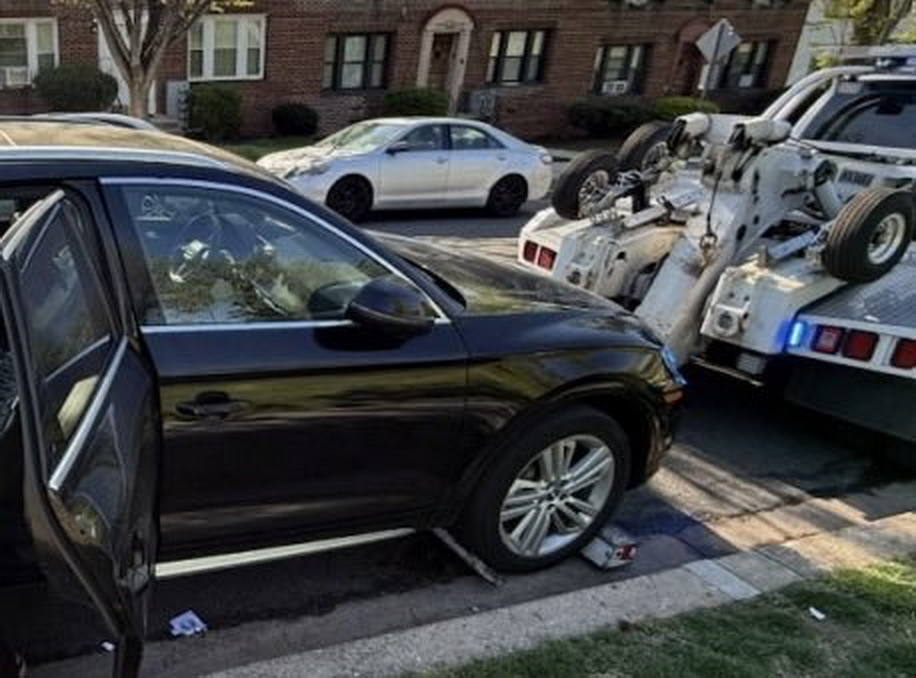
The accumulated amount of fines for violations committed by this Audi Q5 reached $262,204. This sum could rival the price of a modern supercar. After a prolonged period of inaction, the police and the Department of Public Works finally confiscated the vehicle.
Public reaction to this situation was mostly critical. Many wondered why it took the authorities so long to take action, given the presence of traffic enforcement cameras throughout the city.
Successes in Combating Violators
Despite this high-profile case, the city is demonstrating some successes. In addition to a sharp decrease in road fatalities, the authorities have managed to win court cases against a number of repeat offenders and collect over $500,000 in unpaid fines.
If the District of Columbia wants this campaign to be taken seriously, it probably shouldn’t wait until a driver accumulates an 893rd ticket.
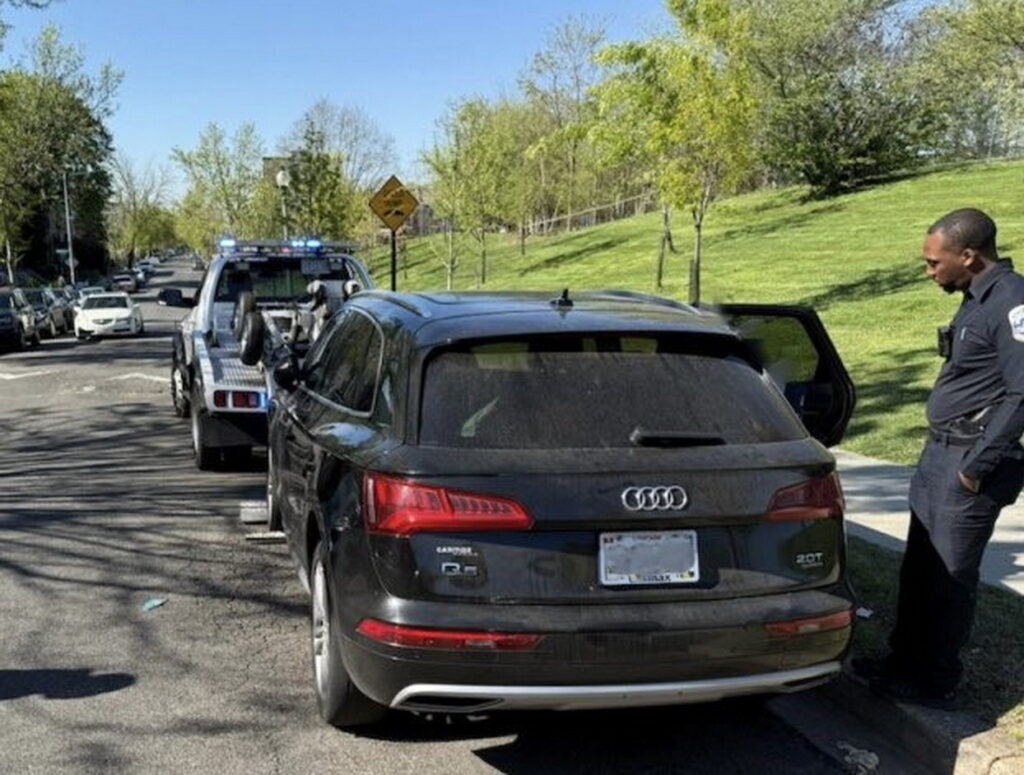
This case vividly illustrates how technical capabilities (cameras) without a proper legal mechanism and political will can prove futile. The adoption of the STEER Act was a key step that allowed not only for the collection of funds but also, more importantly, for a real impact on road safety. However, the story with the Audi shows that too much time can pass between detecting a violation and taking real action, which undermines trust in the system. The successful reduction in fatalities indicates that the implemented measures are working, but their effectiveness depends on consistency and promptness of implementation for each specific case.