 by
by Debt spiral in the US auto market: How the pandemic ‘bubble’ still hits wallets
The pandemic auto boom, when people paid significantly more than market value for cars, is over, but the financial consequences continue to trouble Americans. Today, more and more drivers trading in their vehicles are finding they owe more on their loans than their vehicles are worth. This creates a debt spiral that is becoming increasingly difficult to escape.
Negative equity: New numbers and old problems
According to Edmunds data, in the first quarter, about 31% of borrowers who traded in a car had negative equity. On average, they were “underwater” by approximately $7,200. This is a significant increase compared to five years ago.
This means many buyers are not starting with a clean slate when they purchase a new car. They are dragging old debt into a new loan, and then paying interest on both the new car and the past mistake. It is the financial equivalent of loading your trunk with bricks and tiles before a long trip, and then wondering why fuel consumption is so high.
Roots of the problem: Pandemic shortages and inflated prices
The roots of the problem go back to 2020-2021, when the semiconductor shortage paralyzed the production of new cars. Dealerships emptied, prices soared, and desperate buyers paid premiums for cars that seemed normal then but are depreciating like any other now. Now, these inflated pandemic purchases are coming back as trade-ins.
Real-life example: $40,000 in debt
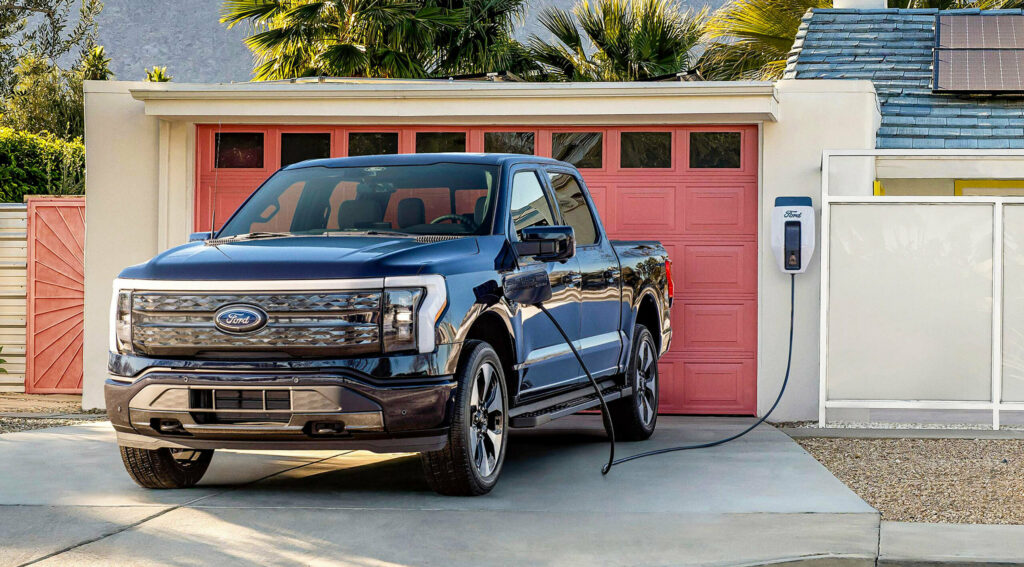
The results can be staggering. A dealer from Ohio told The Wall Street Journal about a customer who wanted to trade in a Ford F-150 Lightning for a Mercedes-Benz GLE Coupe, owing about $87,000 on a truck that is worth approximately $47,000 today.
“It’s a battle we fight every day,” said dealer Doug Horner.
Longer loans and ‘mortgage-like’ payments
To make monthly payments affordable, more and more buyers are stretching their loans over longer terms. The average financing term for new cars is about 70 months, which has become common and covers almost one in four purchases. Some deals last much longer. A lower monthly payment may seem beneficial today, but it slows equity growth and leaves owners vulnerable when values fall.
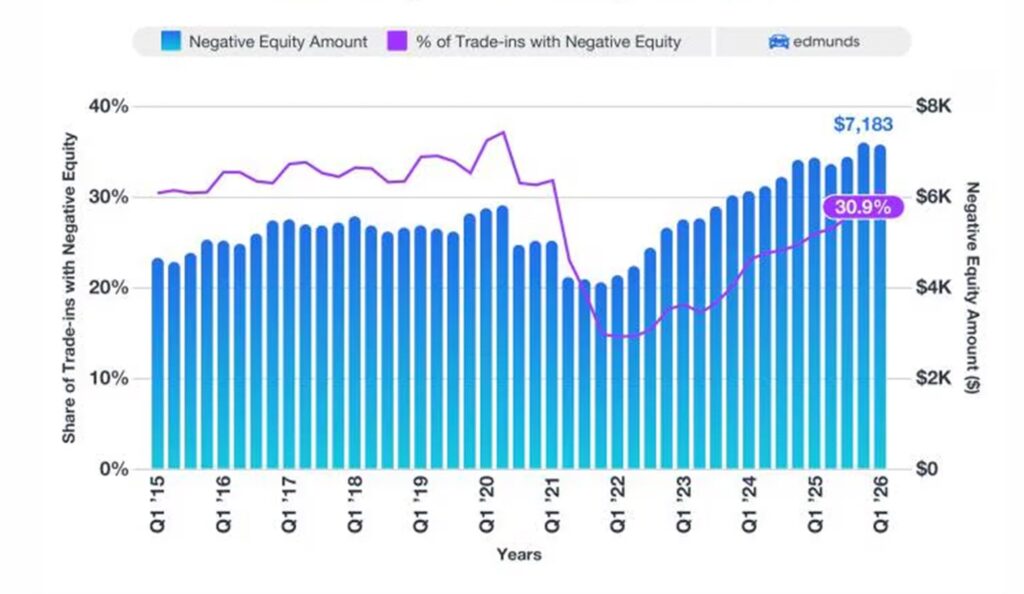
For borrowers who are already “underwater,” the consequences can quickly escalate. Edmunds notes that buyers with negative equity are financing an average of nearly $56,000 for new cars this year, with monthly payments reaching about $932. These are sums close to mortgage payments for something that sits in the driveway or at the employer’s parking lot most of the time.
Risks and consequences
There is also risk if life becomes difficult. Research shows that borrowers who carry debt from one car to another are significantly more likely to face repossession later. Meanwhile, the rate of delinquencies on auto loans has reached its highest level since 2010.
Not everyone is in the same boat
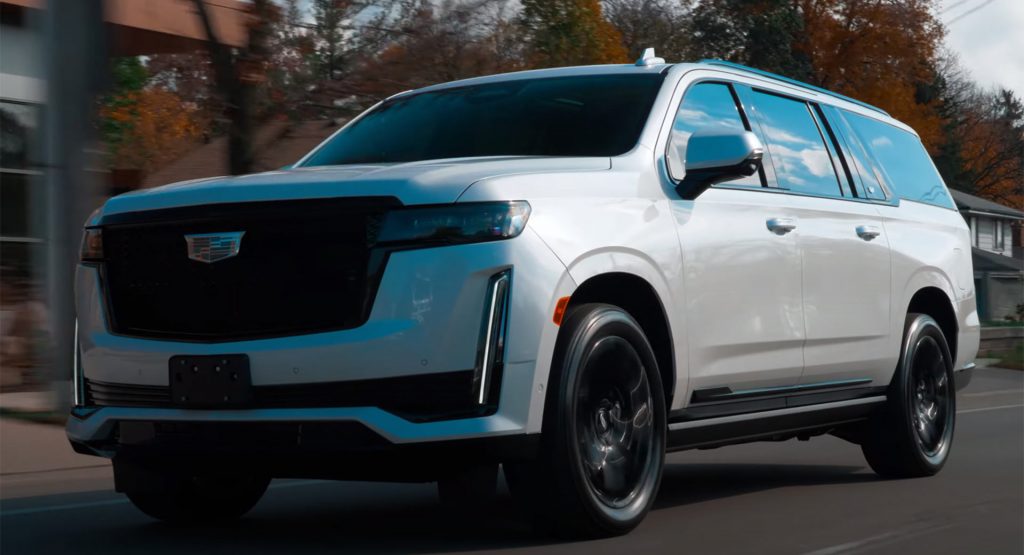
Not everyone is suffering. Some owners who did not buy heavily depreciating models, like the Cadillac Escalade ESV, which lost over 60% of its value in five years, still have positive equity. But for a growing part of America, the pandemic auto frenzy has turned into a very long hangover.
The situation in the US auto market demonstrates how short-term decisions made during a shortage can have long-term financial consequences. The rise in negative equity and the lengthening of loan terms create vulnerability for households, especially in an unstable economy. It also underscores the importance of a careful approach to car financing, as even a small difference in price or loan term can lead to significant debt in the future. At the same time, for those who managed to avoid overpayments or chose models with high resale value, the situation remains manageable, highlighting the uneven impact of the pandemic ‘bubble’.