 by
by Honda is moving toward settling a lawsuit related to the operation of the Idle Stop system in a number of its vehicles. Although the manufacturer will not avoid financial costs, the total settlement amount exceeds $36 million, with the lion’s share of these funds earmarked for attorney fees.
The essence of the problem with the Idle Stop system
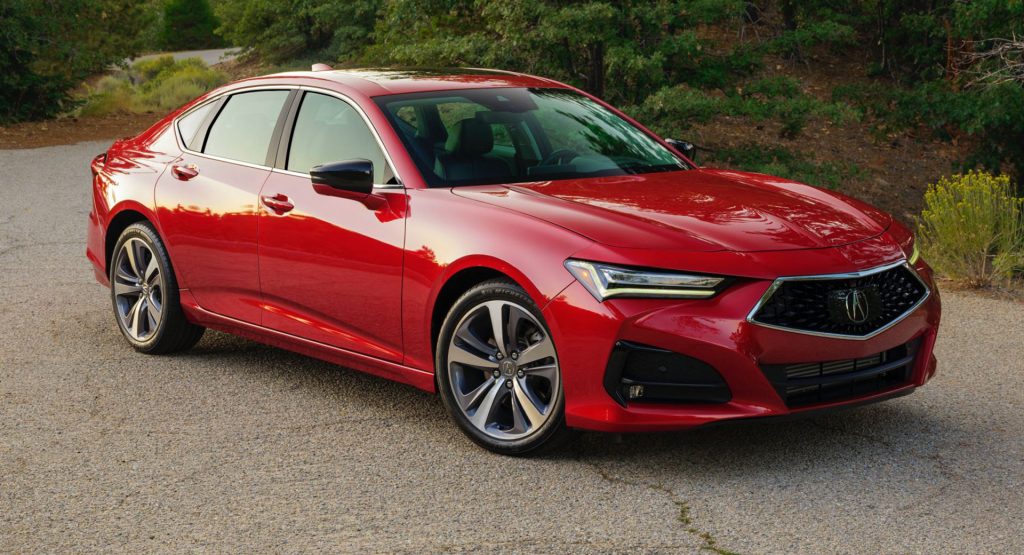
The Idle Stop system, installed on Honda and Acura vehicles, is designed to automatically turn off the engine when the car is stationary for more than two seconds and restart it when the driver releases the brake pedal. This solution is intended to save fuel during stops in traffic jams and at intersections. However, according to the lawsuit, the system does not always function correctly: in some cases, the engine does not restart after the brake pedal is released, leaving drivers in a helpless situation.
Which models were affected?
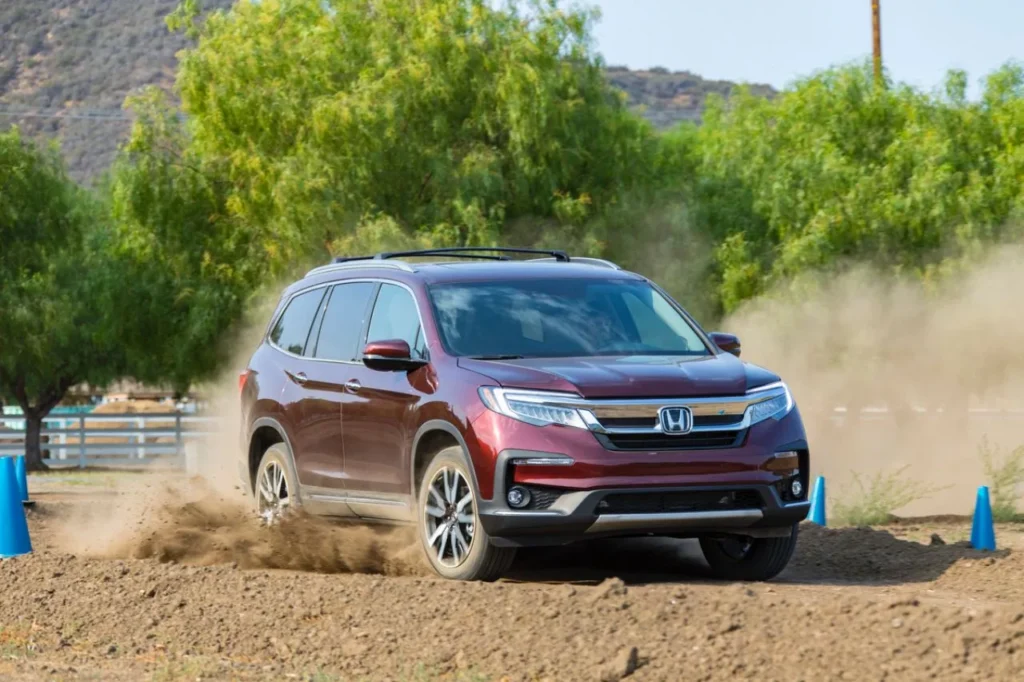
The lawsuit mentions five vehicle models:
Honda’s previous actions and the new settlement
It is worth noting that the problem is not new for Honda. The company has been trying to resolve it for several years. In 2022 and 2023, it extended the warranty on Idle Start systems to 10 years and also offered free starter replacements. The new settlement retains these warranty obligations and the free starter replacement.
Claimants and attorneys receive payments
The warranty extension only applies for 10 years from the date of first registration of the corresponding Honda or Acura model. For owners of 2015 and 2016 models that have already reached this 10-year term, additional extensions of 24 and 18 months are provided, respectively.
According to the terms of the new settlement, final approval of which is scheduled for a hearing on June 1, Honda will pay each of the 20 claimants $7,500. The total amount of payments to the claimants is $150,000.
However, this amount is just a drop in the ocean compared to what the attorneys involved in the case could receive. They are demanding $35,250,000 in fees, as well as reimbursement of expenses in the amount of $823,131.24. This is an absolutely staggering amount that explains why law firms are often so eager to take on class actions of this type.
This situation vividly demonstrates how the class action system works in the United States. On the one hand, car owners who faced a real safety issue and inconvenience receive relatively modest compensation. On the other hand, the law firms handling the case can expect multi-million dollar fees that far exceed the payments to affected consumers. This raises questions about whether such lawsuits are primarily aimed at protecting consumer rights or whether they are more of a lucrative business for lawyers. At the same time, the very fact of such a large settlement and the extension of warranty obligations by Honda indicates the seriousness of the problem, which might have gone unnoticed without the class action lawsuit.