 by
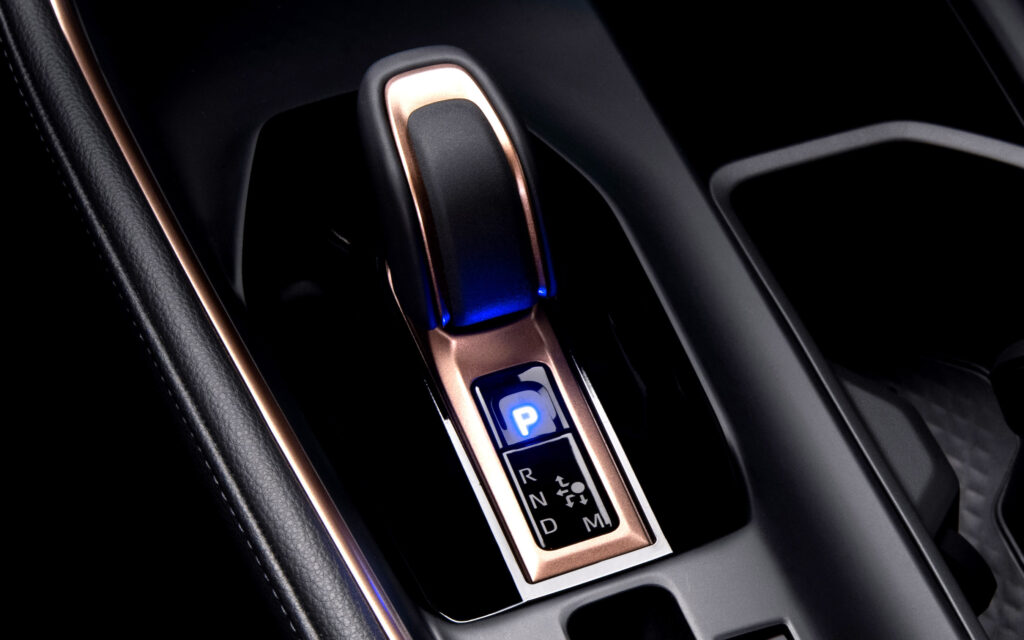
by Toyota is facing new class action lawsuits over its UA80 eight-speed automatic transmission. Three new legal cases allege that this transmission is prone to premature failure, raising concerns about its durability and impact on vehicle resale value.
The Allegations and Spread of Cases
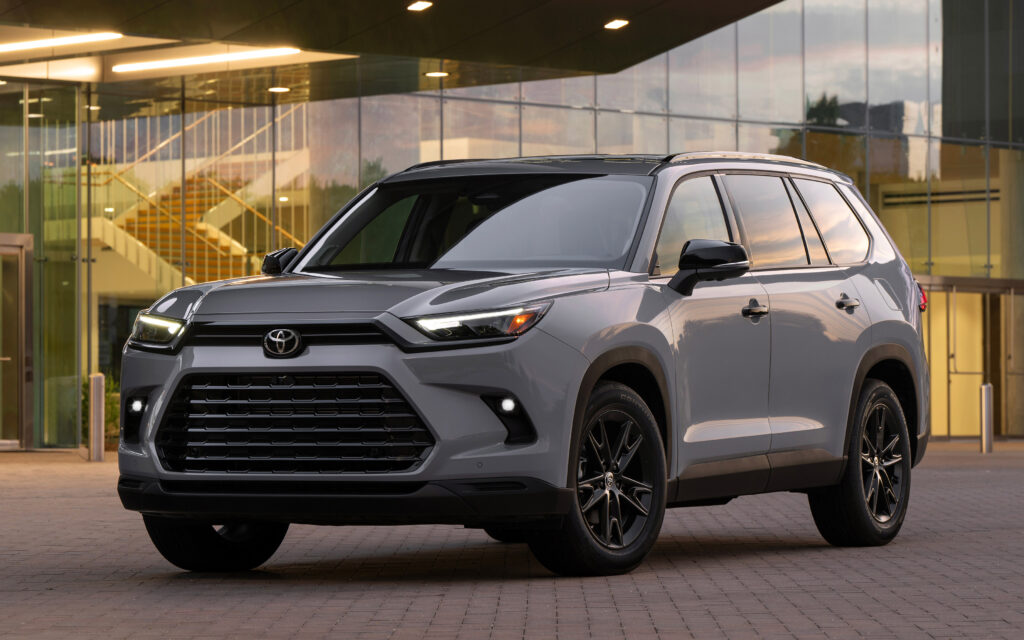
Following two previous lawsuits, a third case was filed in the U.S. District Court in New Jersey, indicating the problem is spreading beyond a single jurisdiction. The case involves models from the 2017 Toyota Highlander to modern vehicles like the Lexus TX 350, suggesting a wide range of potentially affected owners.
The new complaints allege the transmission has two core defects and warn that “both defects are dangerous in nature,” claiming the faulty unit can cause a vehicle to behave unpredictably.
According to the documents, affected transmissions may fail to engage or hold a gear, slip unexpectedly, leak fluid, “hang” during gear shifts, or engage harshly. Reports also mention a burning smell, unusual noises, and even loss of power.
Mechanical and Software Issues
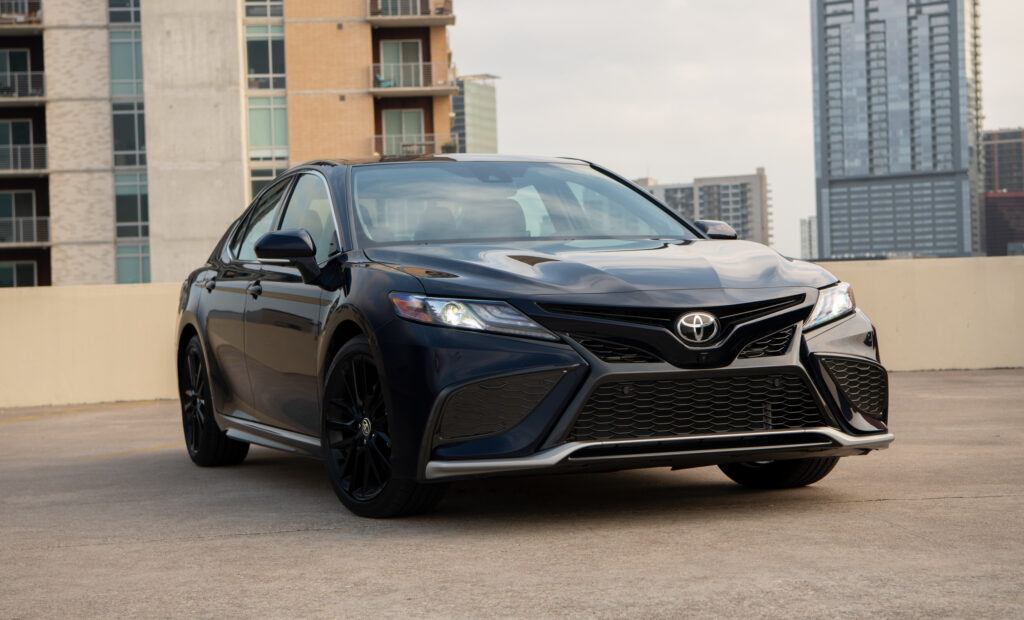
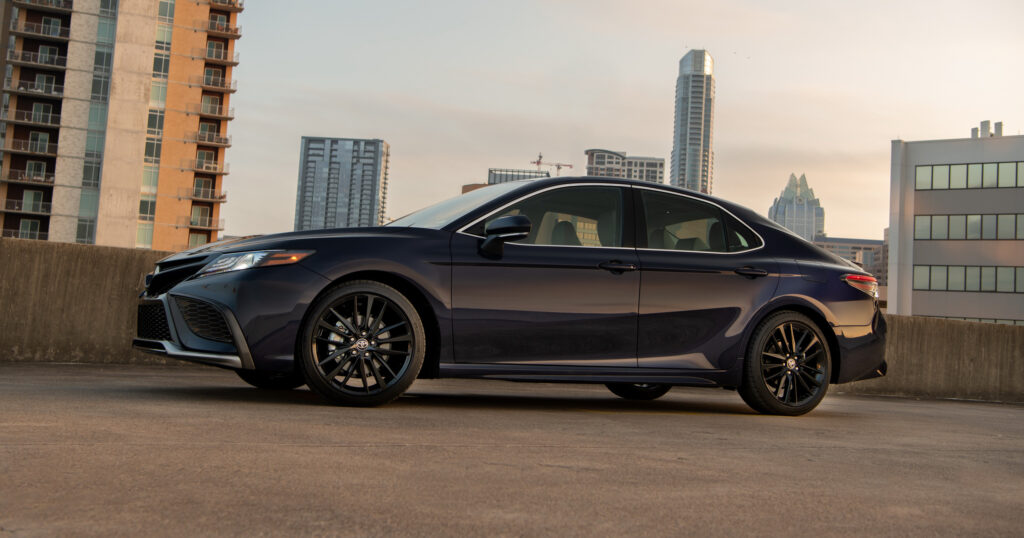
A second lawsuit, filed by 2020 Toyota Camry owner James LaBoutheller, focuses on claims that the transmission could shorten the vehicle’s lifespan and reduce its market appeal, as the problems, according to the plaintiffs, appear well before the typical ownership cycle.
After detecting abnormal noises, a Toyota dealer informed LaBoutheller that the transmission needed replacement. While the company agreed to supply a new unit, the owner had to pay several thousand dollars out of pocket for the installation labor.

The complaint states the first defect is mechanical: excessive heat buildup inside the transmission accelerates wear and degrades the transmission fluid. The second problem is software-related. The lawsuit alleges faulty programming causes the transmission to shift into higher gears too early and prematurely engage the torque converter lock-up, placing undue strain on key internal components.
Allegations of Prior Knowledge
According to the class action, Toyota knew about the eight-speed transmission’s problems during durability testing before installing it in customer vehicles.
Further claims indicate the company ignored years of warning signs, including internal data, customer complaints, dealer service records, and filings with safety regulators documenting early transmission failures.
The lawsuit claims Toyota not only failed to act on the reported issues but also implemented software updates that increased transmission wear to improve fuel efficiency. The plaintiff adds that Toyota continued to assure customers their vehicles were operating properly while routinely denying warranty coverage after vehicles exceeded a certain mileage.
Third Lawsuit and Model List
A separate class action was filed this month in California by plaintiff Neil Pallaya, who purchased a new 2020 Toyota Highlander. The complaint details a persistent high-frequency noise that started around 67,000 miles, which a Toyota dealer diagnosed as a complete transmission failure. Since the vehicle was out of warranty, he was quoted over $7,400 for a replacement.
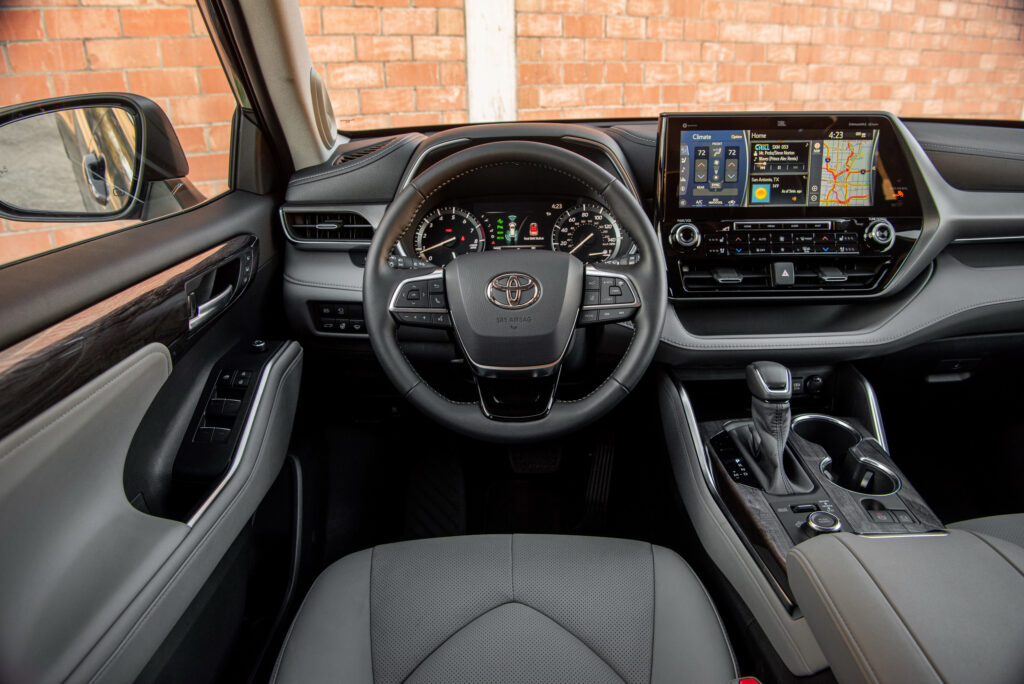
The California lawsuit expands the list of potentially affected vehicles, covering models such as:
These lawsuits occur against the broader context of the automotive industry, where complex multi-gear transmissions are often designed to improve fuel economy and performance. However, as such incidents show, this can sometimes come at the expense of reliability. For many Toyota and Lexus owners, brands whose reputation has traditionally been built on durability, the scale of the potential problem and the manufacturer’s response could have significant implications for trust. The further development of these cases, as well as any official statements or technical campaigns from the manufacturer, will be decisive for thousands of drivers worldwide.