

 by
by The situation with commercial driver’s licenses for immigrants in California is leading to increased transportation costs and leaving thousands of people without jobs. Despite a court order mandating the reinstatement of licenses, the process is effectively at a standstill.
Crisis for Drivers and Logistics
The cost of transportation in California is likely to rise due to the uncertainty surrounding licenses for immigrant truck drivers. Despite promises to reinstate their commercial licenses in the spring, the state’s Department of Motor Vehicles has still not issued any of the thousands of revoked licenses. This leaves many professionals without a livelihood.
The decision to revoke licenses was based on federal guidelines which asserted that immigrant drivers perform worse than U.S. citizens or immigrants with permanent status. For most drivers who had the legal right to work, this sudden revocation meant a complete loss of income.
The Human Story Behind the Statistics
The story of a driver named Singh from the San Francisco Bay Area illustrates the scale of the problem. He was legally working in the U.S. with refugee status, but due to the lack of a green card, he fell into a regulatory gap. As an independent contractor, he earned between $11,000 and $16,000 per month hauling freight across the country.
His license was invalidated on March 6. The truck, purchased four years ago for $160,000, requires $3,000 per month for the loan and $1,500 for insurance. There is no income, his wife has taken a job as a nanny, and the driver rhetorically asks: “What job can cover the rent and these payments?”

Court Order and Bureaucratic Pause
A judge of the Alameda County Superior Court ordered the state to open a new application process and issue licenses within a reasonable timeframe. However, California has still not issued any of the 13,000 revoked licenses. Drivers are being told that the verification process could take months, and in some cases – even years. Such delays are devastating for families for whom driving is the primary source of income.
Conflict Between State and Federal Government
At the heart of the problem lies a complex standoff between state authorities and the federal government. The U.S. Department of Transportation is threatening penalties against California if it begins reissuing licenses. The state has already had over $160 million in federal funding withheld. There are also threats to completely strip California of its authority to issue driver’s licenses.

Legal Rights and Economic Consequences
Most of those affected are refugees or individuals with valid work permits, including DACA program participants. They were in the U.S. legally when they obtained their licenses, but a change in the federal interpretation of the rules rendered their documents invalid upon expiration.
California is already facing a driver shortage in strained supply chains, and this situation only worsens the state of affairs. Advocacy groups and state officials are pressing for a solution, arguing that reinstating licenses will benefit not only immigrant families but the economy as a whole. There is some hope – California is filing lawsuits against the Department of Transportation, but for drivers caught in limbo, the loss of livelihood remains a heavy burden.
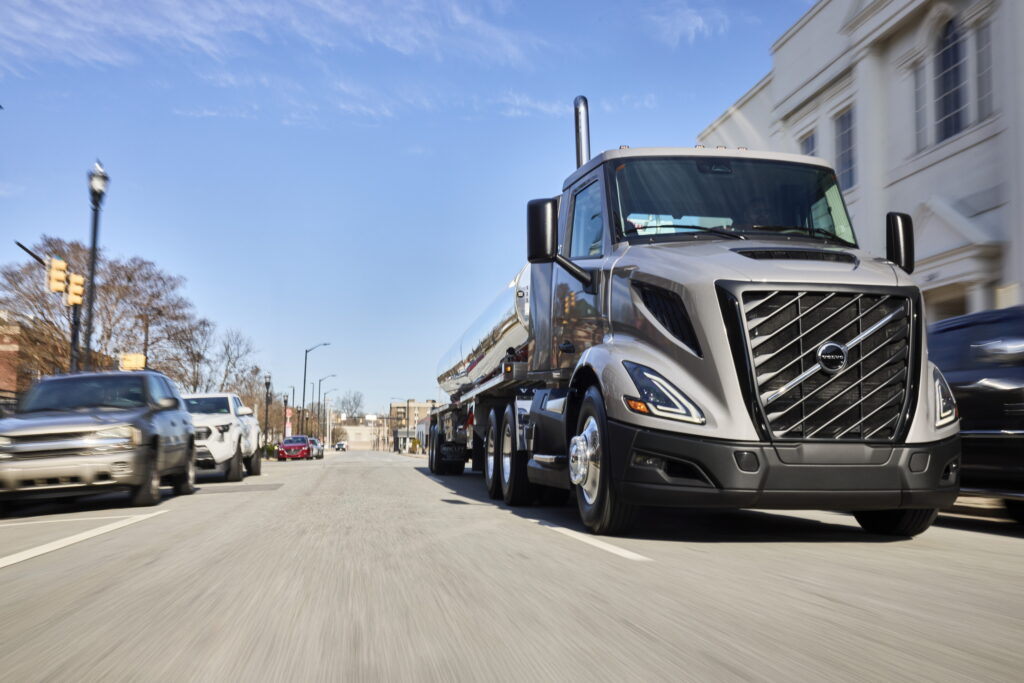
This situation highlights the complex intersection of immigration policy, labor regulation, and economic logistics. The delays in issuing licenses have concrete consequences: empty trucks, unpaid bills, and rising costs for consumers. While the bureaucratic battle continues, real people are losing the ability to earn a living in a country where they have the legal right to work. The long-term consequences for the state’s transportation industry, which heavily relies on immigrant labor, could be significant if a solution is not found soon.