 by
by While Volkswagen has shown the first glimpse of the next-generation Golf, the main news from Wolfsburg has been the plans for the future of the compact SUV Tiguan. This model will receive two major updates, which will effectively extend its life cycle until at least 2035.
Management’s Update Plan
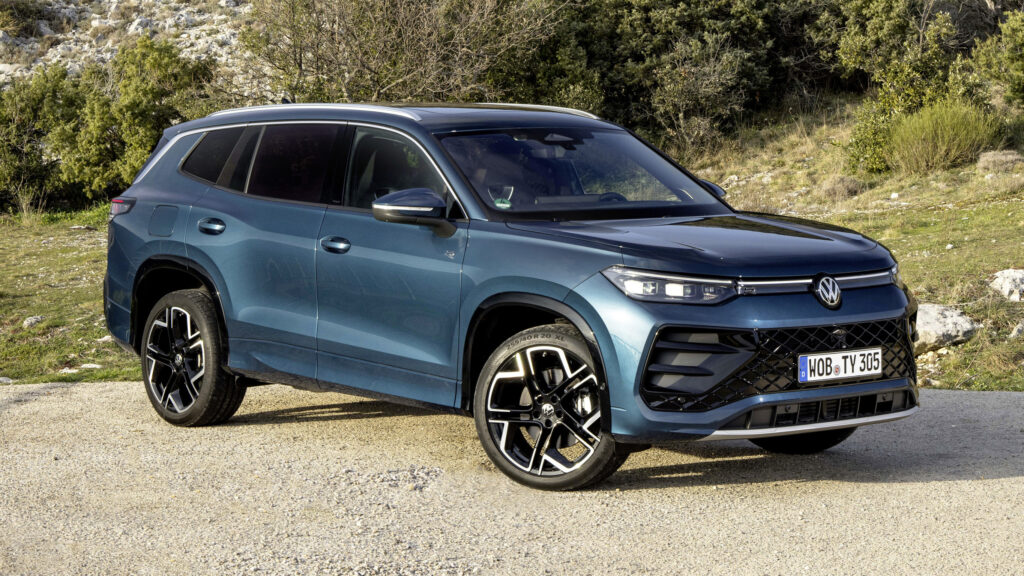
During the first meeting in 2026, Head of the Production Board Daniela Cavallo announced that Volkswagen plans “two major product updates for the bestseller Tiguan in 2028 and 2031.” This refers to the version for the European market, which was later replaced by the larger Tayron in October 2024. The latter, in turn, became the basis for the Tiguan in the North American market, albeit without the third-row seating option and hybrid powertrains.
Dual Facelift Strategy
Most cars receive only one mid-lifecycle update. However, the Tiguan is in for special treatment. The Group has already approved two updates for this SUV, which is built on the MQB Evo architecture.
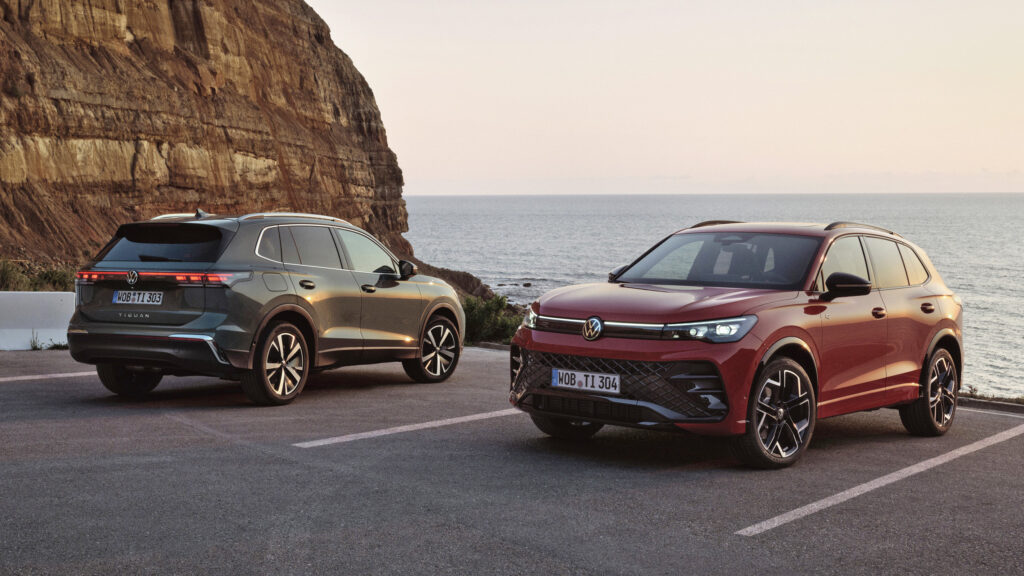
The first facelift, scheduled for 2028, will most likely modernize interior technologies, bringing them closer to newer Volkswagen models. A renewed emphasis on physical control buttons paired with more sophisticated software is expected. Judging by recent VW updates, exterior changes may be quite restrained: updated bumpers, LED lighting, as well as several new body colors and wheel designs.
The second facelift is scheduled for four years later, or eight years after the debut of the current generation. This update is expected to bring more noticeable design changes to keep the Tiguan modern in the crowded compact SUV segment and in line with the evolution of Volkswagen’s brand style. The powertrain lineup will also be revised. To meet increasingly stringent European emission standards, enhanced electrification will be required.
Life Cycle Extension
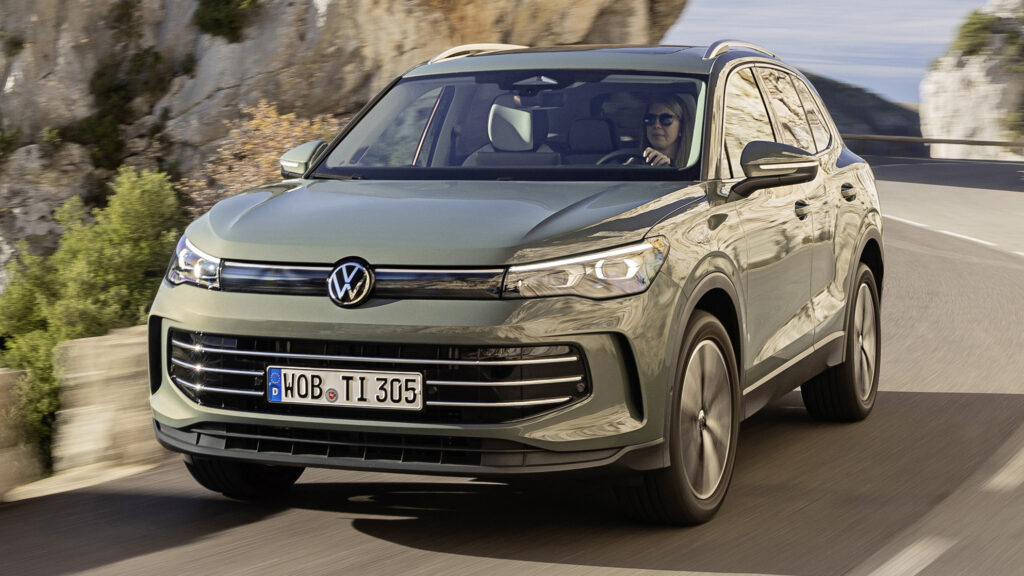
By launching a major update as late as 2031, Volkswagen essentially guarantees the Tiguan with an internal combustion engine a long life. The new plan stretches the model’s life cycle until at least 2035, aligning with the company’s intention to continue selling ICE cars in Europe until the middle of the next decade.
A similar fate likely awaits the current ICE Golf. It is reported that it may remain on sale until around 2035, even after the arrival of the fully electric ID. Golf by 2030. So, while the electric future is inevitable, Volkswagen is in no hurry to “turn off the lights” for its models with internal combustion engines.
Production is split between two continents. The European Tiguan is assembled in Wolfsburg, Germany, together with the Tayron, while the version for the USA comes from Volkswagen’s plant in Puebla, Mexico. The company does not confirm long-term plans for either model, but a pair of facelifts sounds much more plausible than funding completely new generations.
The Future of the Electric Tiguan
Volkswagen has also confirmed two future electric vehicles that will be produced in Wolfsburg on the new SSP architecture. These are the ID. Golf and ID. Roc, both expected by the end of the decade. Before their arrival, the company plans significant updates for the current MEB-platform models — the ID.3 and ID.4.
Although there is no official confirmation, rumors suggest that the updated ID.4 may be named ID. Tiguan as part of Volkswagen’s new nomenclature strategy. The electric crossover is also expected to abandon its rounder forms in favor of a more traditional SUV design. The interior should see a seriously redesigned dashboard and mechanical improvements aimed at increasing power, range, and efficiency.
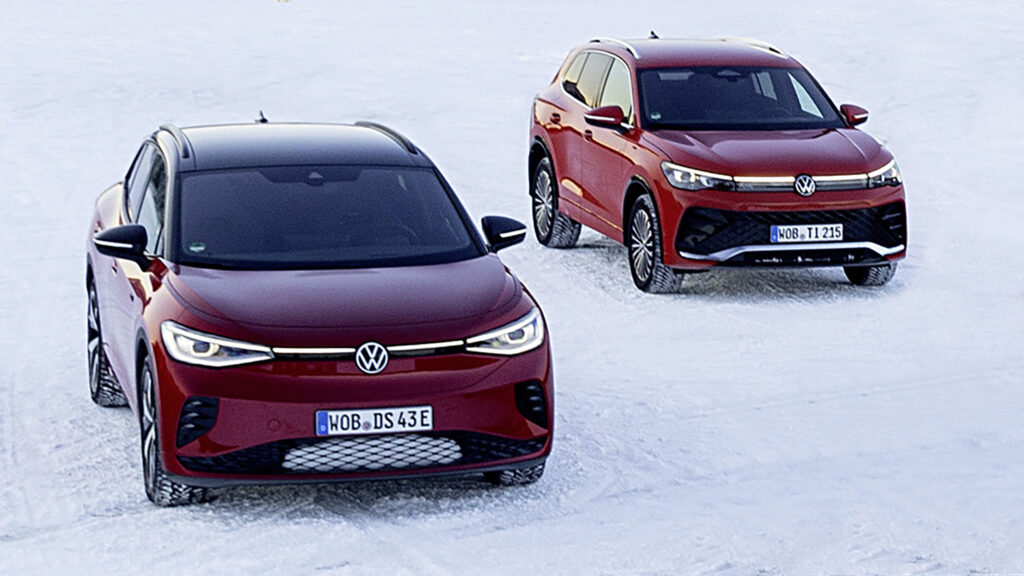
By retaining the Tiguan name for models on two different platforms, VW is spreading its risks. Regardless of whether buyers choose a hybrid or a fully electric version, Wolfsburg seems to be doing everything possible to ensure that a decade from now, a Tiguan will still be standing in the parking lot.
This dual strategy — investing in future electric models while supporting the improvement of proven ICE models — reflects the complex transitional period in the industry. It allows the company to meet current demand and regulatory requirements while preparing for long-term transformation. This decision also indicates that the Tiguan remains a key asset for the brand, and its significance is planned to be preserved regardless of the type of powertrain.