 by
by A Curious Incident with Ram Merch
Artificial intelligence was supposed to simplify and speed up work, not create awkward situations. This is precisely what seems to have happened to the company Ram. Its marketing department unintentionally turned its own product into an advertisement for a competitor. For a short time, the company sold merchandise featuring an image of a pickup truck that was not a Ram model.
What Exactly Went Wrong
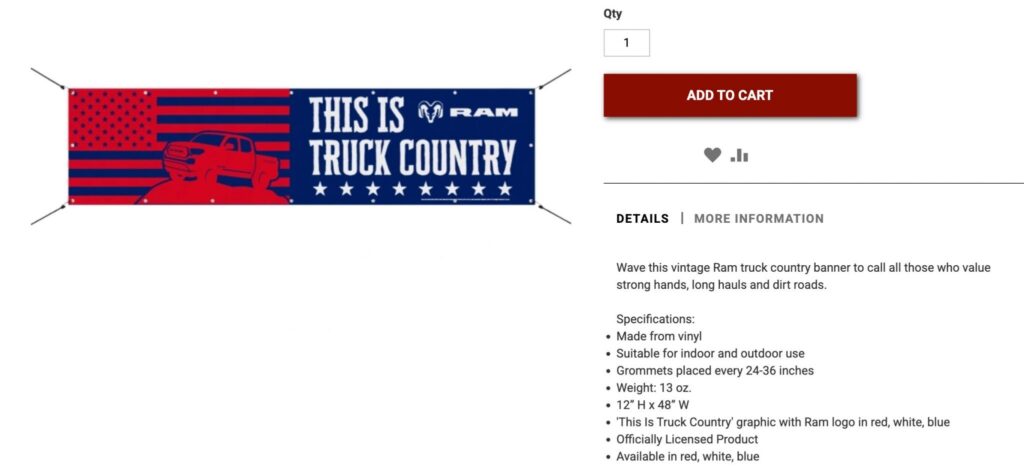
As first noticed by colleagues at The Autopian, items sold through Ram’s official online store used images that suspiciously resemble a Toyota Tacoma with a Ram emblem. Even more awkwardly, some of these images, seemingly created by artificial intelligence, feature the American flag with only 40 stars instead of 50. Let’s look at the details.
The Wrong Brand of Pickup
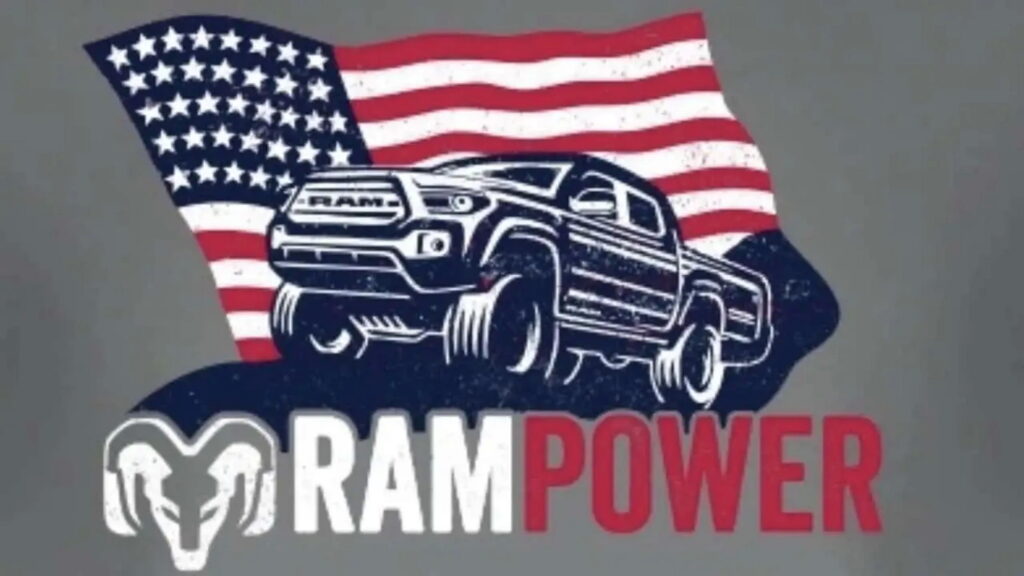
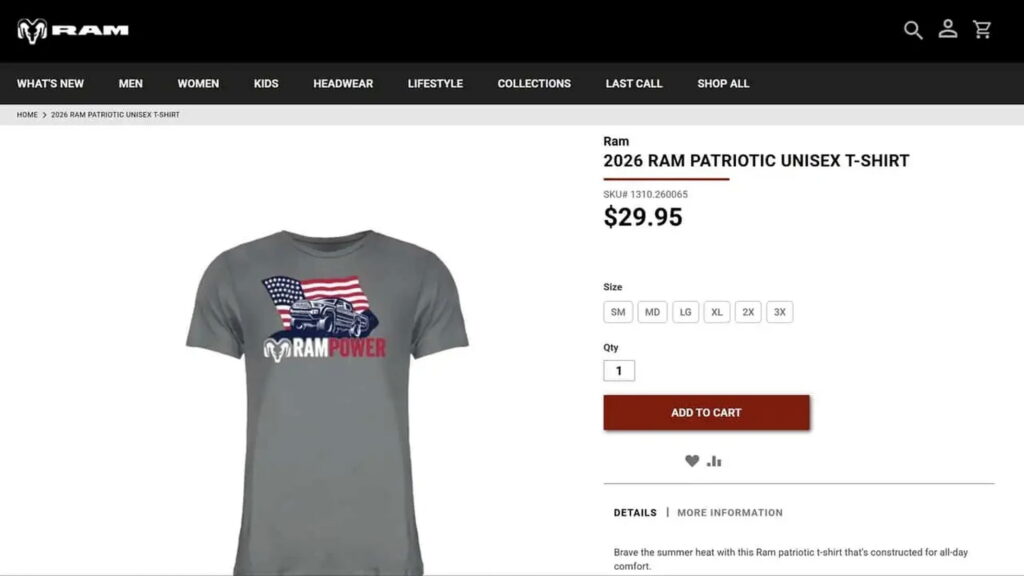
The most obvious issue concerns a T-shirt named “2026 Ram Patriotic Unisex T-Shirt.” It depicted a pickup truck beneath a stylized American flag. At first glance, it seemed like just a generic truck illustration. However, upon closer inspection, it becomes noticeable that the front of the vehicle closely resembles the second-generation Toyota Tacoma, down to the shape of the grille and headlight design. It appears that the artist, or more likely an AI image generator, simply added a Ram badge to the front. This T-shirt has now been removed from sale on the website.
The Flag Problem
In addition to the vehicle error, there is another one involving the flag. In the image, five stars are correctly arranged vertically on the left side, but from there, things went awry. Instead of the traditional checkerboard pattern of the real American flag, there are simply five rows of eight stars. Eight times five equals 40, not 50. The irony is that in another item, a 48-inch banner, Ram correctly depicted the flag but still placed a Tacoma in the center.
Why This Matters
This is a fairly serious oversight, considering that Ram’s entire business revolves around selling trucks. If the official Ram store is supposed to recognize any vehicle without error, it should be its own pickup. It is unclear how such errors got past the Ram team, but they are undoubtedly amusing. One can only hope that Toyota reciprocates by releasing merchandise featuring a Ram 1500 but labeled Tacoma. However, that is unlikely to happen.
This case is a vivid example of how hasty use of artificial intelligence tools without proper oversight can lead to reputational damage. For a company that prides itself on its heritage and identity, a mistake in depicting its own product is particularly sensitive. The incident also highlights that even major brands are not immune to technological curiosities that can go viral and harm their image. In the digital age, quality control of content, especially AI-generated content, must be multi-layered to avoid such awkward situations, which can be perceived as unprofessionalism or even inadvertent advertising for competitors.