 by
by Houston Police Uncover Elaborate Fraud Scheme Involving Luxury Cars
According to law enforcement, a sophisticated interstate fraud operation has been exposed, involving the movement of premium-class vehicles from California to Texas with a subsequent attempt to legally seize them through forged mechanic’s lien rights. During the raid, property worth approximately $900,000 was seized.
Search and Arrest
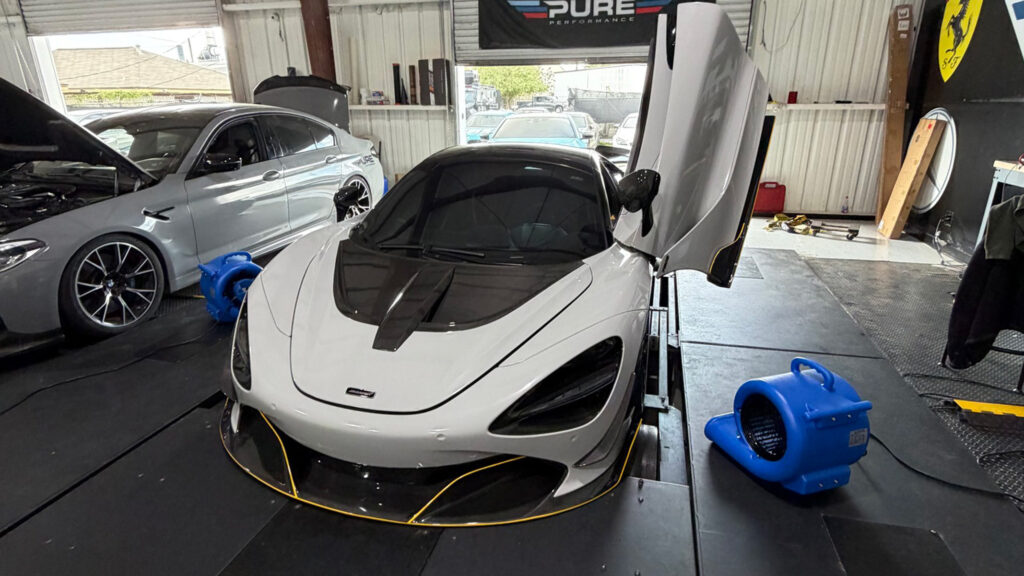
In early spring, Houston Police Department special units conducted a search at a Windswept Lane address and arrested 35-year-old Talal Obeid. The location, known as the Pure Performance auto repair shop, became the center of the investigation. Law enforcement officers confiscated nine luxury cars, predominantly BMWs, as well as approximately $47,000 in cash.
Mechanism of the Fraud
As investigators claim, the scheme operated as follows: vehicles, leased from premium services or purchased in California with a small down payment, were transported to Texas. Then, forged documents regarding mechanic’s lien rights were filed, claiming that repair work worth tens of thousands of dollars had been performed. The goal was to obtain legal ownership of the vehicles if their nominal owners did not pay the claimed amounts.
One of the key examples in the case is a Mercedes-AMG. Investigators reported that Obeid filed a notice in September claiming that Pure Performance had performed repairs on this car worth about $63,000. However, police state that there were no photos of the alleged damage, no receipts for parts, nor records of the actual work performed. When officers later asked Obeid for documentation, he, according to them, admitted he did not have it but insisted: “I run a legitimate business.”
Shop’s Reaction and Customer Complaints
A representative of the Pure Performance shop, commenting on the situation for the media, stated: “As always! You can’t trust the news!”. When asked to provide additional clarifications regarding the arrest and investigation, the shop did not respond.
Meanwhile, the police’s accusations find some resonance among the business’s former customers online. A public social media group dedicated to discussing the shop’s activities has over 600 members and contains numerous posts from people who claim to have had negative experiences working with them.
Claims of the Victims
These claims have not yet received judicial confirmation. However, several users claim they paid for parts they never received, or for engines that failed after assembly. Others complain about repairs that dragged on for months, or about being encouraged to pay for services using methods that complicate refunds in case of problems.
One group member claimed that in 2021 they spent about $20,000 on an engine rebuild for a BMW M5, but received the car back months later still with problems—smoking and burning oil. Another stated that the business had a habit of taking payment for parts or work and then not fulfilling the obligations.
The investigation into the case continues, and law enforcement promises to provide additional details as they become available.
Similar stories point to the importance of caution when choosing service centers for expensive cars, especially when it comes to complex and costly modifications. The presence of a large number of dissatisfied customers who have united on social media can often be a signal of systemic problems in business practices. Market participants recommend always carefully checking a shop’s reputation, formalizing all agreements in writing, and avoiding payment methods that do not leave room for consumer protection. This case also demonstrates how law enforcement is increasingly using data from online communities to supplement the picture in investigations of financial crimes.