 by
by Key Changes in Honda’s Plans
Just a few years ago, large investments in electric vehicle production seemed entirely justified to many automakers. That is why Honda so readily undertook its project worth 15 billion Canadian dollars (approximately 10.8 billion US dollars) in Alliston, Ontario, Canada. Now the company is indefinitely suspending this program. Hybrids already in production will continue to roll off the assembly line, but the electric vehicle direction has been officially put on pause.
Statement from Honda’s Global CEO
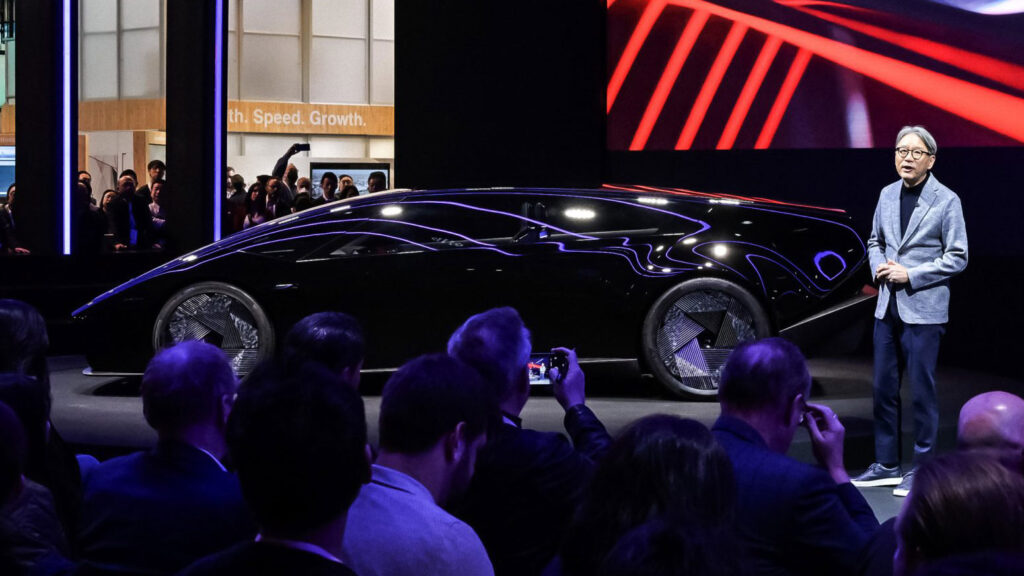
Honda’s global CEO, Toshihiro Mibe, announced the change in plans during a press briefing on Thursday. Initially, the facility was positioned as Canada’s first fully integrated electric vehicle ecosystem, combining vehicle assembly and battery production under one ambitious roof. At one point, it was expected to create approximately 1,000 new jobs and allow for the production of up to 240,000 electric vehicles annually.
Mibe stated that the company plans to spend the next three years restructuring its automotive business while simultaneously redirecting resources toward hybrid vehicles.
As we have previously reported, demand for hybrids remains high, while growth in electric vehicle sales in the domestic market has slowed. Last year, Honda had already postponed this project, stating it would re-evaluate market conditions before making a final decision. Now, the “pause” has turned into an “indefinite suspension.”
Economic Context and Losses
The timing for this decision is logical, though far from ideal. According to CTV News, Honda recorded a loss of 2.7 billion dollars — its first annual loss in history. The company cites high costs associated with electric vehicles and changes in US policy. Under the administration of President Donald Trump, incentives for electric vehicles were rolled back and emission standards were relaxed, altering the economic calculations for automakers that made big bets on battery-powered cars.
Current Production and Hybrids
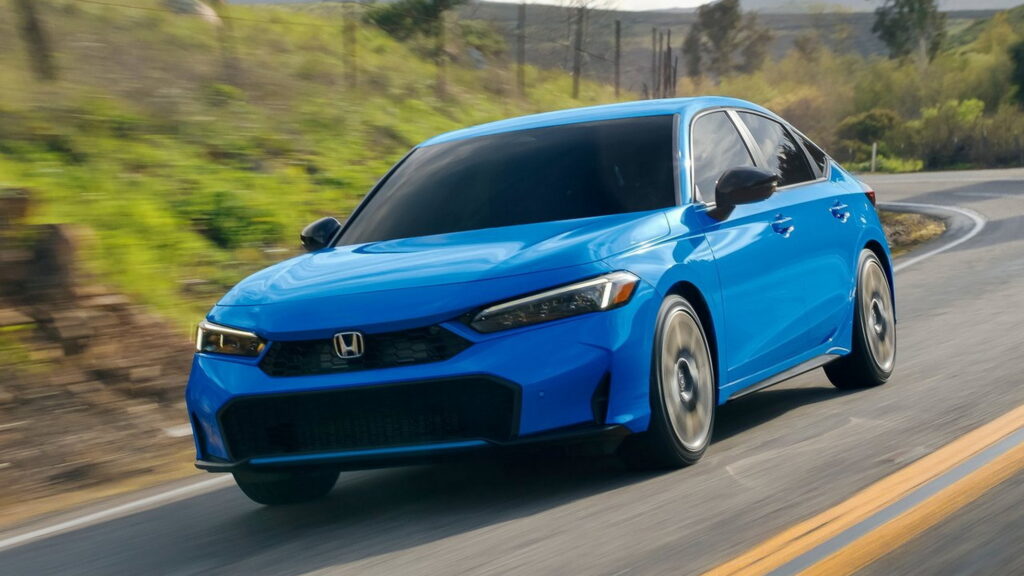
Meanwhile, production of the Civic and CR-V at the Alliston plant will continue. In 2025 alone, Honda assembled approximately 400,000 vehicles in Canada, including roughly 198,000 Civics and 202,000 CR-Vs. Over 60% of them were hybrids.
Honda emphasized that no current jobs were affected, and no government funds were actually transferred, despite approximately 5 billion Canadian dollars in promised support from federal and provincial governments. Undoubtedly, this move will have consequences for Honda for years to come. At least for now, plant workers have not been affected.
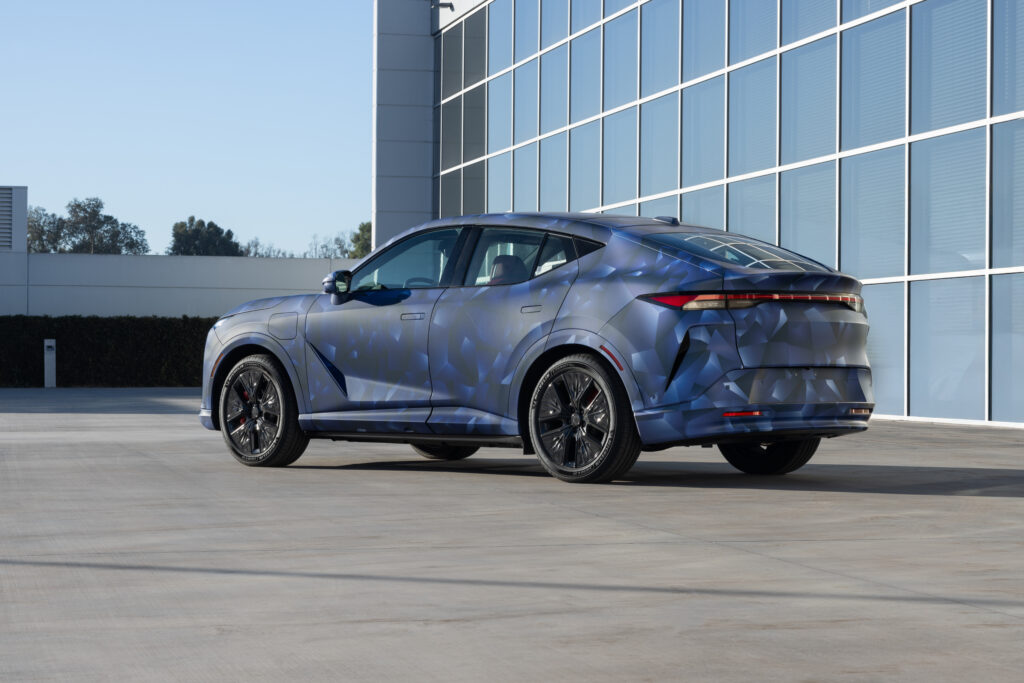
Honda’s decision reflects a broader trend in the automotive industry, where hybrids are becoming a more attractive compromise between traditional engines and fully electric powertrains. The shift in political direction in the United States and unstable demand for electric vehicles are forcing even major players to reconsider their strategies. For Canada, which actively sought investments in “green” manufacturing, this could signal the need to reassess approaches to stimulating electric vehicle infrastructure. At the same time, Honda continues to produce hundreds of thousands of vehicles per year in the country, indicating that the Canadian market remains important, but with a focus on technologies that are in demand today.