 by
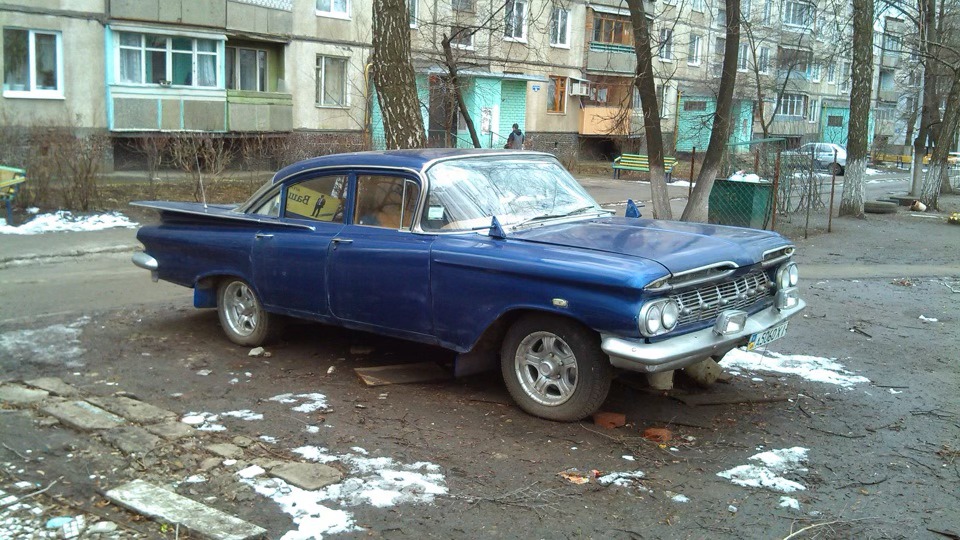
by A rare Chevrolet Bel Air, which appeared in Ukraine back in Soviet times, continues to rust in Kharkiv. The American car from 1959 was in the hands of one owner for decades, but due to the constant price increase and refusal to sell, its condition has critically deteriorated over the years. This is reported by auto blogger Roma Urraco.
Chevrolet Bel Air in Kharkiv refused to sell for decades
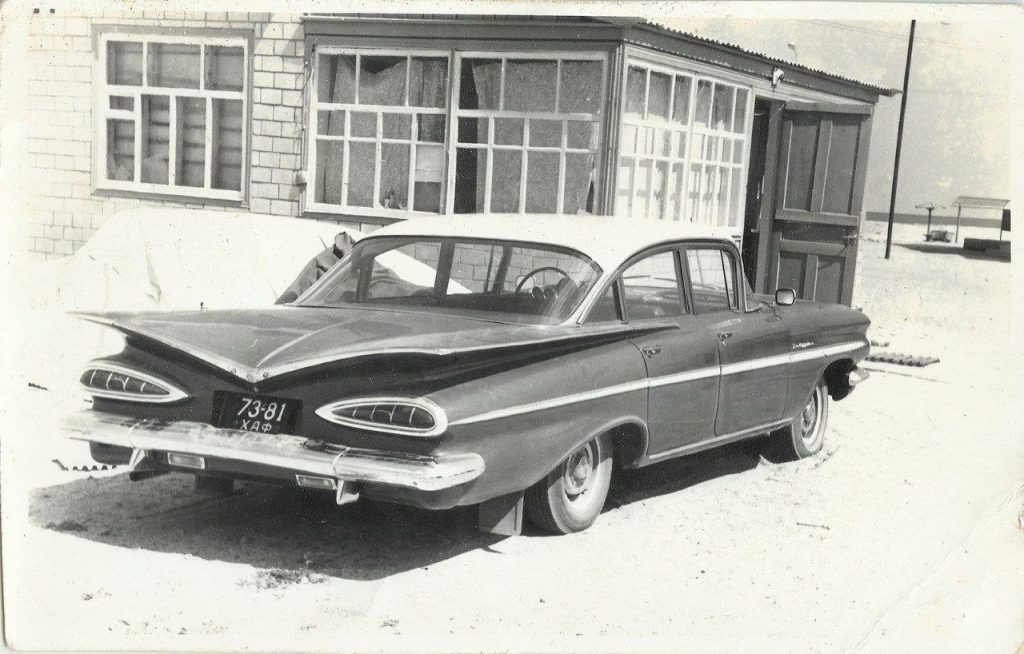
According to the auto blogger, the iconic American sedan arrived in Kharkiv approximately in the 60s-70s of the last century.
The car remained with one owner for a long time, who gradually replaced the original units with parts from Soviet models. In particular, components from the Volga and Chaika were installed on the car.
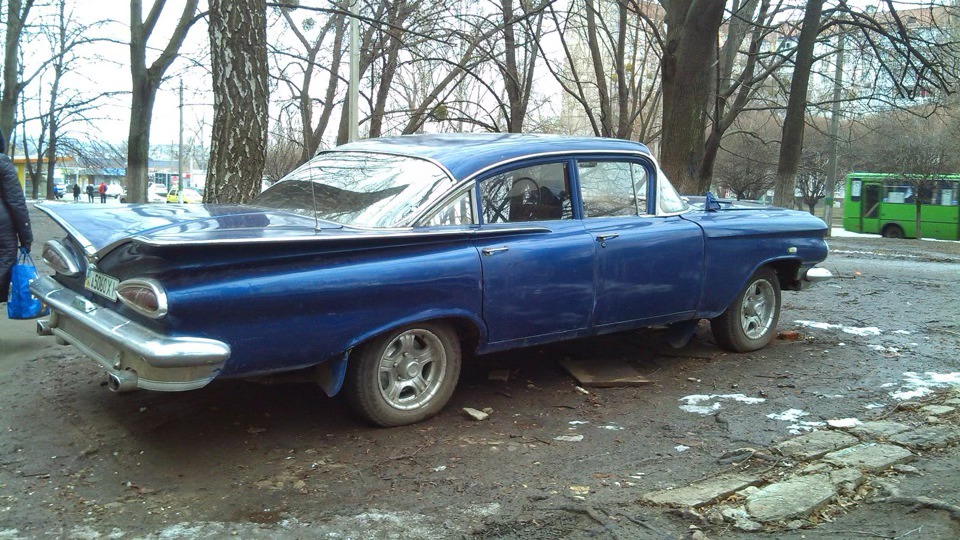
As a result, practically only the body, documents, and part of the interior remain from the factory Chevrolet Bel Air. At the same time, the car itself stood outdoors for years without proper storage.
Back in the 70s-80s, collectors and enthusiasts of American cars repeatedly tried to buy the Bel Air. According to eyewitnesses, the owner was offered apartments, large sums of money, and even new Soviet cars, but he constantly refused.
In the comments under the post, one user recalled seeing a similar Chevrolet Bel Air at a car market in Kyiv back in 1984 or 1985. According to him, the car was then sold for 30 thousand rubles, and large crowds of people gathered around the car to see the rare American sedan.
Chevrolet Bel Air turned into an abandoned project due to inflated price
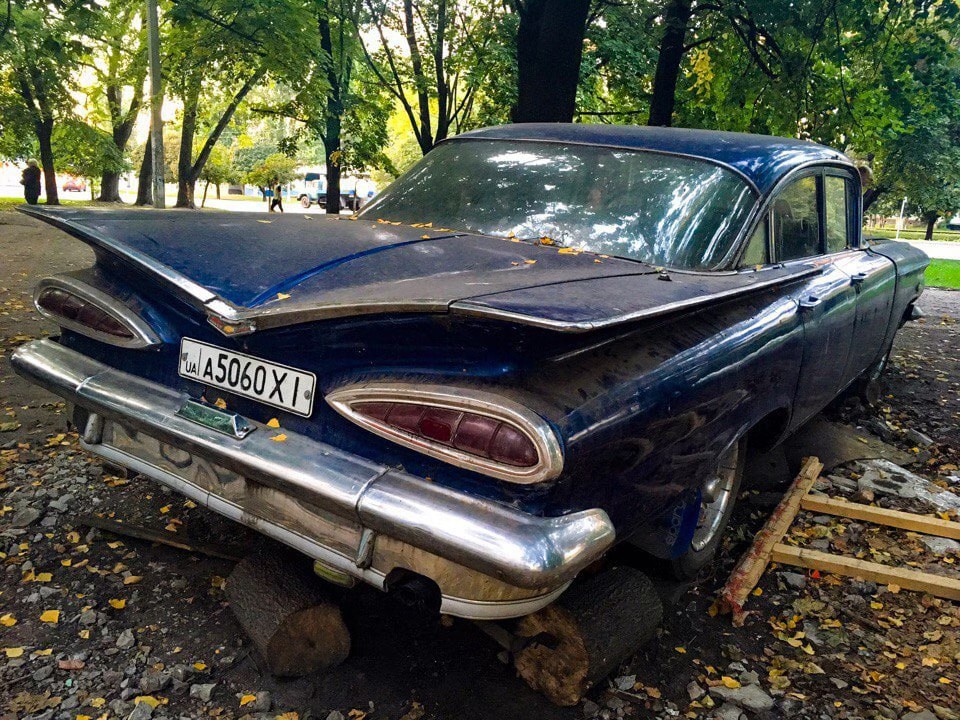
In the 90s, supposedly around $30,000 was offered for the car, but the owner wanted at least $50-60 thousand.
Over the years, the car’s condition noticeably deteriorated, but in the 2010s, the car was still put up for sale for $120,000, no negotiations.
No buyer was ever found for such a project. According to the author of the post, the car is now in an extremely neglected state, and its further fate remains unknown.
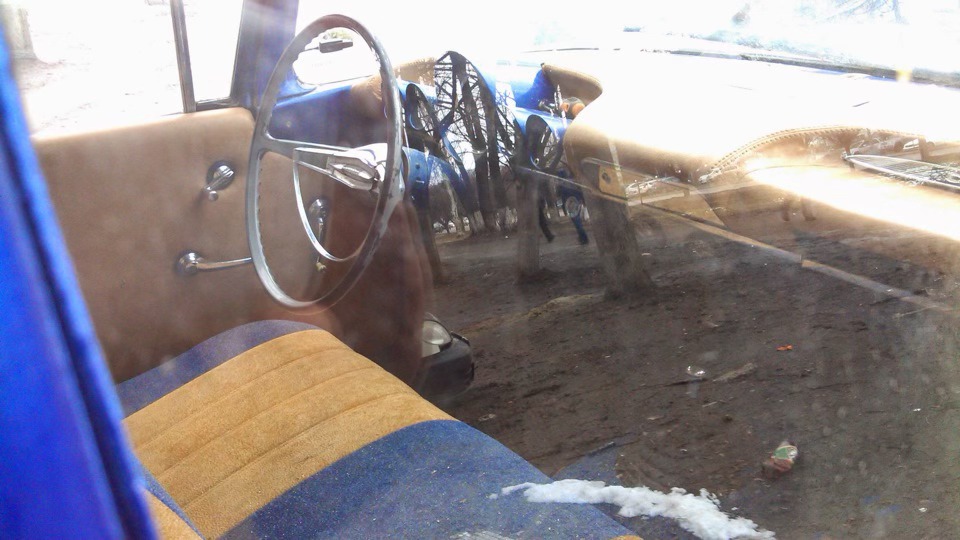
For comparison, well-preserved Chevrolet Bel Airs in the US currently cost approximately $20-30 thousand, depending on the technical condition and level of restoration.